
Reviewed · 1-HOUR EXPERIENCES
Explore Gothenburg in 60 minutes with a Local
Gothenburg’s best quick introduction is a walk between its big public sights: the seafood market known as the Fish Church, Poseidon’s famous statue, old civic buildings, and the Opera House beside the water. This one-hour tour gives you that outline without asking you to spend half a day on it.
I like the small group of up to eight and the flexible pace. I also like the chance to ask a local for personal recommendations, rather than simply follow a fixed script. The main drawback is the price, $91.92 per person, which is a lot for only 60 minutes, especially since entry tickets and personal expenses are not included.
Key points at a glance
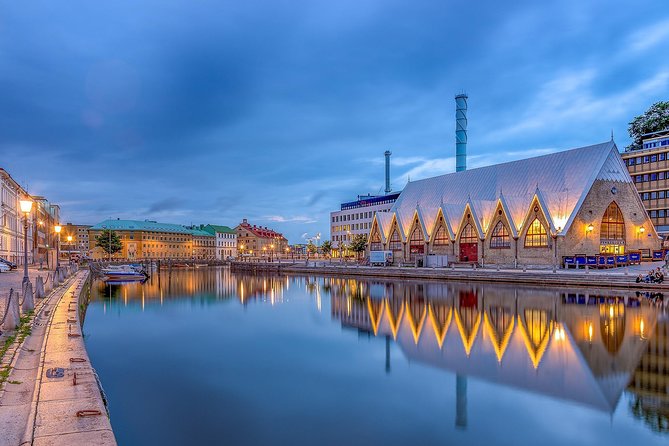
- Feskekôrka gives the walk a distinctly Gothenburg opening, with seafood, market life, and unusual Gothic architecture.
- Poseidon at Götaplatsen is both the meeting point and a major photo stop, tied to the city’s maritime identity.
- The group is capped at eight people, so you should have a better chance to hear the guide and ask questions.
- The route links several central sights in one hour, making it useful on a short visit or early in your stay.
- The walk ends at Gothenburg Opera House, leaving you in a good area to continue exploring independently.
- The experience is informal rather than museum-heavy, and the route may shift with weather, walking pace, and group interests.
A fast first look at central Gothenburg
This is a walking primer, not a full city tour. In about an hour, you move through a chain of central locations that show different sides of Gothenburg: public art, food culture, old government buildings, city streets, quiet squares, and the waterfront Opera House.
That format works best when you want to get your bearings quickly. You can use the walk to decide where to return later, perhaps for a closer look at the seafood market, a museum visit, or more time around the central squares.
The tour begins at Poseidonstatyn at Götaplatsen, listed as Götaplatsen 4. It ends at Göteborgsoperan on Christina Nilssons gata. You are not being taken inside museums or monuments, and public transportation is not part of the experience. Think of it as an outdoor orientation with local commentary.
The guide is an independent local, and the company does not assign a named guide in advance. One guide, Gaurab, received especially warm praise for being friendly and making the experience feel casual and personal. That gives you a useful clue about the intended tone: conversational, flexible, and less formal than a large sightseeing group.
A few more Gothenburg half-days to weigh up
- Gothenburg: Express Walk with a Local in 60 minutes
★ 4.8 · 6 reviews - Malmö: Express Walk with a Local in 60 minutes
★ 5.0 · 8 reviews - Uppsala bloody history 1h- racial biology, 18th century plague, 19th century prostitution etc.
★ 5.0 · 4 reviews
Meeting Poseidon at Götaplatsen
Poseidon is a sensible place to begin. The large bronze figure is one of Gothenburg’s best-known public artworks, and it connects the city to the sea that shaped its identity. It also gives you an easy meeting point in a prominent central square.
Bring a few questions with you. A short tour becomes more useful when you ask what the guide recommends for the rest of your stay, which areas suit your interests, and what is worth seeing beyond the central route. Personal recommendations are one of the main reasons to choose this format instead of simply walking the same streets with a guidebook.
Götaplatsen also helps set the tone for the city. You get public art and open urban space before moving toward the market hall and older civic areas. If you enjoy taking photos, Poseidon is the obvious first picture, but leave room for the buildings and street views around the square.
Because the tour starts at the statue, arrive ready to walk. The experience is not recommended for people with impaired mobility, and the company notes that most people can participate. Service animals are allowed, and the meeting point is near public transportation.
Feskekôrka, Gothenburg’s Fish Church
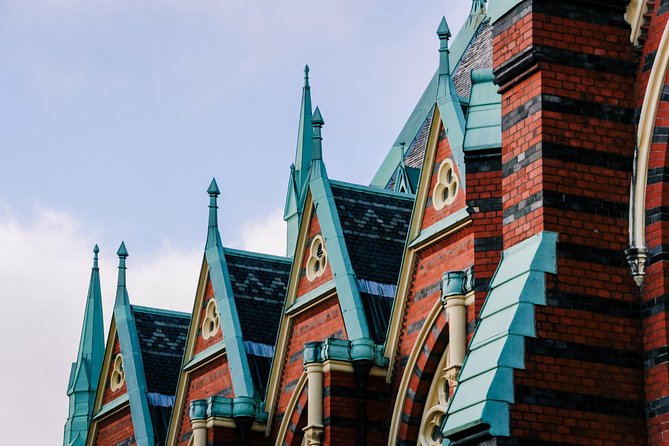
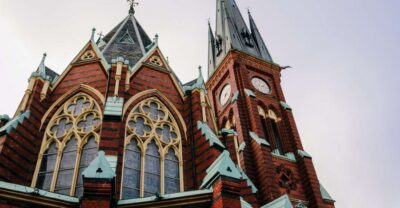
Feskekôrka is the most distinctive stop on the route. Its name means Fish Church, a nickname inspired by the building’s church-like Gothic shape. Inside, or around the market area, you can connect Gothenburg’s food culture with its position as a maritime city.
The stop is especially useful for first-time visitors because it is more than another attractive building. It gives you a practical idea of what makes Gothenburg different from a standard European capital. Seafood, port life, and local eating traditions are part of the city’s character, and this market hall puts those themes in one place.
The tour does not include a meal or personal spending, so any purchase here is your responsibility. That is worth remembering when comparing the price with a food tour. You are seeing the market as part of a walking route, not receiving tastings or a full culinary experience.
I would treat Feskekôrka as a note-to-self stop. If the market interests you, ask the guide when to return and allow more time later. One hour is enough to see it and understand why it matters, but not enough for a slow visit.
From civic squares to city life
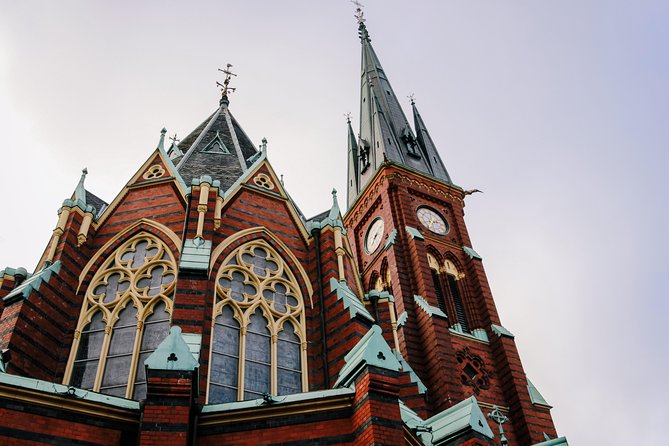
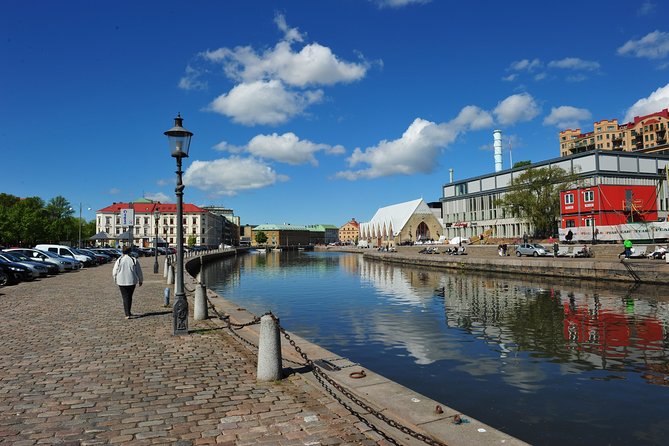
The route continues to Gustaf Adolfs Torg, a historic square in the center of Gothenburg. It is surrounded by important buildings and cafes, giving you a useful view of the city as a place of government, business, and daily life.
This is where local commentary can add real value. A guide can point out what you are looking at and explain how the square fits into Gothenburg’s story. Without that context, you might simply see another broad city square and move on.
The walk also passes the 17th-century facade of Radhuset. That older civic detail adds contrast to the newer streets and public spaces around it. You do not need a long lecture to appreciate the change in architecture. A brief explanation can help you notice how Gothenburg developed across different periods.
Christina Nilssons gata brings the route into a more modern urban setting. Shops and street activity give you a sense of central Gothenburg today. The itinerary describes this as a lively street, but it is best to expect an ordinary city walk rather than a special attraction with a formal entrance or set program.
This part of the route is valuable because it links the headline sights. You are not simply being driven between isolated photo stops. You are walking through the spaces between them, which gives you a clearer sense of how the center fits together.
Same city, a completely different kind of day:
- Gothenburg: Archipelago cruise with guide
★ 4.3 · 1,002 reviews - Gothenburg: City Canal Sightseeing Cruise
★ 4.7 · 470 reviews - Gothenburg: Go City All-Inclusive Pass with 20+ Attractions
★ 3.8 · 222 reviews - Gothenburg: City Sightseeing Hop-On Hop-Off Bus Tour
★ 3.8 · 206 reviews
Esperantoplatsen and the underground fortress
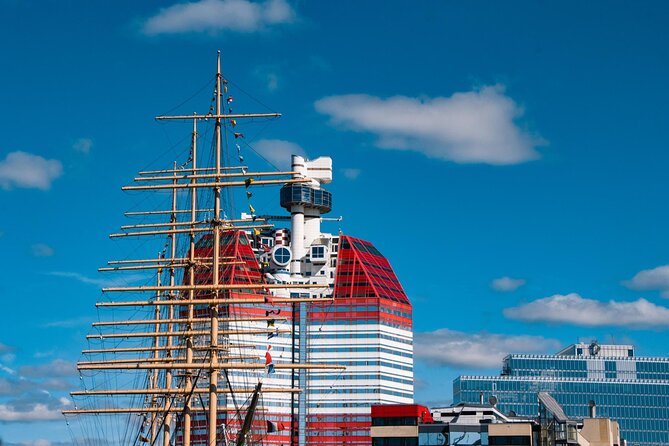
Esperantoplatsen offers a quieter change of pace. It is a public square with greenery and a calmer setting, useful after the larger civic areas. The tour may give you a short pause here, depending on the group’s pace and the guide’s choices.
The route also includes the Carolus XI Rex Bastion, an underground fortress. This is one of the more unusual historical details in the walk. It reminds you that Gothenburg was not only a port and commercial center, but also a fortified city with defensive concerns.
The information provided does not promise entry into the bastion. You should expect to see or discuss the site from the route rather than receive an interior fortress visit. That distinction matters if you are choosing this tour mainly for military history.
The same applies to the city’s historic buildings and public monuments. The walk gives you an introduction from the outside. If you want extended time inside a museum, monument, or historic site, you will need to arrange that separately.
Finishing beside Gothenburg Opera House
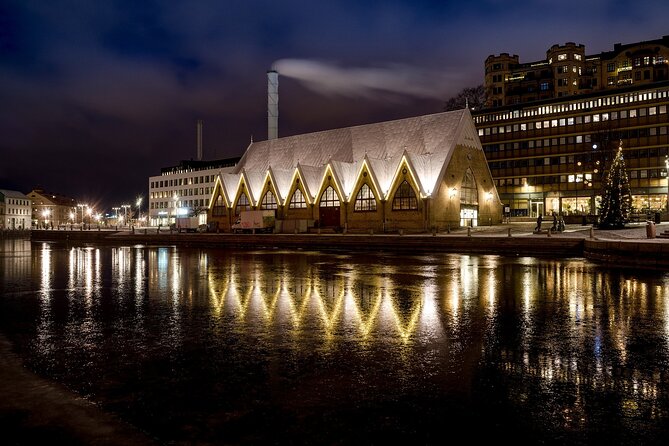
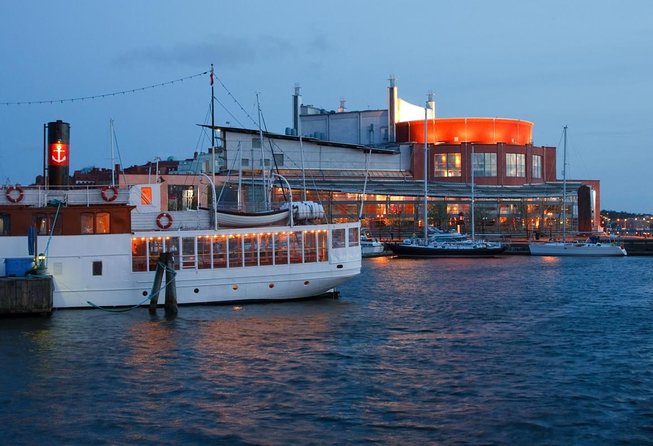
The walk ends at Göteborgsoperan, the Opera House on Christina Nilssons gata. This is a practical finish because you can continue on your own after the guide leaves. The end point is also different in feel from the opening at Götaplatsen, so the route gives you a cross-section of central Gothenburg rather than a short loop.
The Opera House area is a good place to pause and decide what comes next. You might continue walking, find a cafe, or use public transportation. Since tickets are not included, the tour itself does not turn into an opera visit or an indoor performance.
I like this open-ended finish. Some tours leave you at a random corner or return you to the starting point without giving you any reason to stay. Here, the final location can serve as a useful launch point for the rest of your day.
Just keep the end point in mind when planning another activity. The guide does not escort you back to Götaplatsen, and the tour does not include transportation.
What one hour really gives you
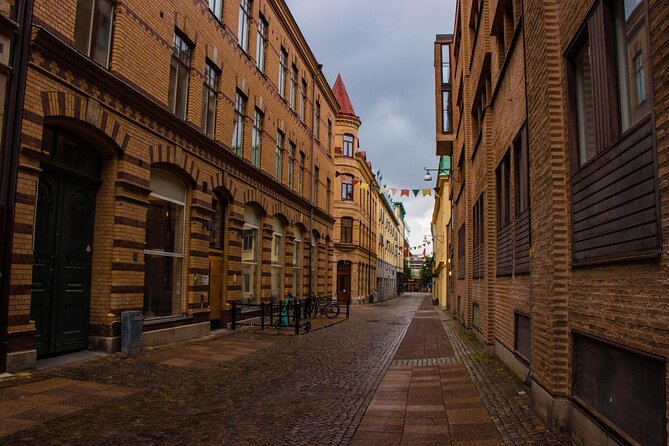
Sixty minutes is enough for a first look, but not enough for a detailed history of Gothenburg. You will cover several places, hear local context, and identify stops worth revisiting. You will not have long at each site, and the depth of the conversation will depend on the guide, the weather, and what the group asks about.
That short length is an advantage for families and people with limited time. You can fit it into a morning before another activity or use it near the start of your stay. It is also less demanding than a longer walking tour.
The tradeoff is value. At $91.92 per person, the cost is high for a one-hour outdoor walk. The small group, local perspective, and tailored recommendations help explain the price, but you should book only if those personal elements matter to you.
A free self-guided walk can cover some of the same streets. The paid experience makes more sense if you want someone to connect the sights, answer questions, and adjust the route to your interests. It makes less sense if you mainly want photos at Poseidon and the Fish Church.
Group size, pace, and changing routes
The group maximum is eight people. That is small enough for a more direct exchange with the guide, though it is not a private tour unless you book the whole group arrangement yourself. The experience is designed to adapt to walking speed and interests.
Stops may change with weather conditions. You should stay flexible rather than treat every listed location as a guaranteed long stop. The route includes several named places, but the guide may adjust the order or amount of time spent at each one.
The format also means your experience can vary from one guide to another. The positive feedback about Gaurab points to the value of a friendly, relaxed host. Another guide may bring a different set of interests and stories. Since the guide is an independent local, you should expect a personal style rather than a standardized lecture.
The overall rating is 3.7 out of 5 from seven reviews. That is a mixed but limited sample. One detailed account described a perfect casual private tour and singled out Gaurab’s friendly manner. Another person said the tour was pleasant and informative but felt the tour with a local idea did not match expectations. I would take that as a reminder to book this for a flexible city walk, not for a formal historical tour or a guaranteed private experience.
Who will get the most from this walk
This tour is a good match for:
- First-time visitors who want a quick outline of central Gothenburg
- Families with only an hour to spare
- People who prefer a small group over a large coach tour
- Visitors who want personal suggestions for the rest of their stay
- Anyone interested in seeing major sights from the outside
- Visitors who enjoy an adaptable, conversational walk
It is less suitable if you have impaired mobility, want a long and detailed history lesson, or expect admission to the fortress, museums, or monuments. It also may not suit you if the $91.92 cost feels too high for a short introduction.
You can get more from the experience by arriving with a short list of interests. Ask about seafood, old defenses, public art, cafes, or the best places to continue after the Opera House. The guide can only tailor the walk if you give the conversation something to work with.
Booking, cancellation, and practical details
You receive confirmation at booking, and mobile tickets are supported. Group discounts are available, though the exact savings are not specified here.
Free cancellation is available up to 24 hours before the local start time. If you cancel within 24 hours, you do not receive a refund, and changes made during that period are not accepted.
Public transportation tickets, museum admission, monument entry, food, and other personal expenses are not included. You should also wear comfortable shoes and plan for outdoor conditions, since the experience is a walking tour and the route can change with the weather.
Should you book Explore Gothenburg in 60 Minutes with a Local?
Book it if you want a short, small-group orientation and value conversation more than length. The route packs in Feskekôrka, Poseidon, Gustaf Adolfs Torg, the old Radhuset facade, the Carolus XI Rex Bastion, Esperantoplatsen, and the Opera House. That is a useful first sketch of Gothenburg.
Think twice if you want deep historical detail or strong value per minute. At $91.92, this is an expensive one-hour walk, and the itinerary does not include admissions or food.
My practical advice is to schedule it near the start of your visit, then use the final stop at the Opera House as a springboard for the rest of your day. If you meet a guide with the friendly, personal style reported from Gaurab’s tour, the local recommendations may make the cost worthwhile. If you simply need a list of sights, explore independently and spend the money elsewhere.
FAQ
How long does the Gothenburg walking tour last?
The tour lasts approximately one hour.
What is the price per person?
The listed price is $91.92 per person.
Where does the tour begin?
The tour begins at Poseidonstatyn, Götaplatsen 4, 412 56 Göteborg, Sweden.
Where does the tour end?
The walk ends at Göteborgsoperan on Christina Nilssons gata, 411 04 Göteborg, Sweden.
What sights are included on the route?
The route includes Feskekôrka, Poseidon at Götaplatsen, Gustaf Adolfs Torg, Christina Nilssons gata, Esperantoplatsen, the Carolus XI Rex Bastion, and the Gothenburg Opera House area.
How many people can join the group?
The group has a maximum of eight people.
Is the route always the same?
No. The itinerary can adapt to the group’s interests and walking pace, and stops may change with weather conditions.
Are admission fees or public transportation included?
No. Entry tickets for public transportation, museums, and monuments are not included.
What is the cancellation policy?
You can cancel for a full refund up to 24 hours before the experience start time. Cancellations or changes made less than 24 hours before the start are not accepted for a refund.
Just added around Gothenburg
- Explore the Instaworthy Spots of Gothenburg with a Local★ 5.0 · 3 reviews
- Gothenburg : Private Walking Tour with A Guide (Private tour)★ 4.0 · 19 reviews
- Private Boat Ride in Gothenburg with pickup★ 4.0 · 9 reviews
- Historical Walking Tour in Restaurant and Bars in Central City★ 5.0 · 9 reviews
- Discover Gothenburg’s most Photogenic Spots with a Local★ 4.5 · 7 reviews
- Haga Sightseeing Tour★ 4.0 · 11 reviews
- Guided boat tour to Vinga in Gothenburg★ 3.5 · 8 reviews
- Guided Brewery Tour on Bicycle★ 5.0 · 5 reviews
1-Hour Experiences, compared.
Uppsala bloody history 1h- racial biology, 18th century plague, 19th century prostitution etc.
Read our review →
Uppsala’s biggest attractions – 1h city walk in Uppsala city.
Read our review →Browse the lists this tour appears in