
Reviewed · TICKETS
Stockholm: Nordiska Museet Entry Ticket
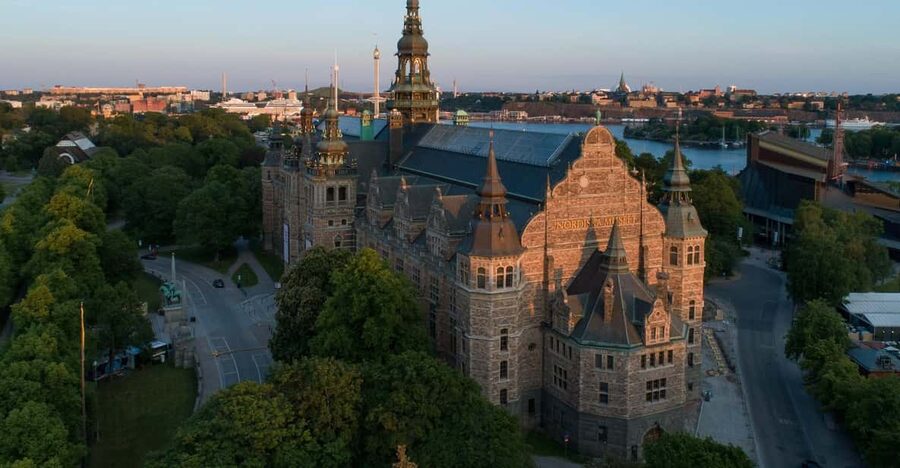
Nordiska Museet turns Swedish and Nordic history into something you can picture at home: what people ate, wore, believed, built, and placed on the dinner table. The setting helps too, with the museum’s grand building rising among the attractions of Royal Djurgården.
I like the broad sweep from the 16th century to today, and I like the focus on real household objects rather than only famous people and political events. The Nordic Life exhibition is the main draw, while the Arctic section adds a timely look at nature, ice, and climate.
The main drawback is that this is a self-guided museum visit, not a tour with a personal guide. The building and collection are large, so you will get more from your ticket if you allow several hours instead of trying to rush through in a quick stop.
Key points to know before you go
- Nordic Life covers centuries of ordinary life: Follow how homes, families, beliefs, work, and contact with nature shaped Nordic culture from the 16th century onward.
- The Arctic exhibition brings a modern concern into the museum: It looks at the region while its ice is melting and gives the visit a strong environmental thread.
- The 1940s Flat makes history easy to picture: A recreated home from 1947 shows daily life on a human scale.
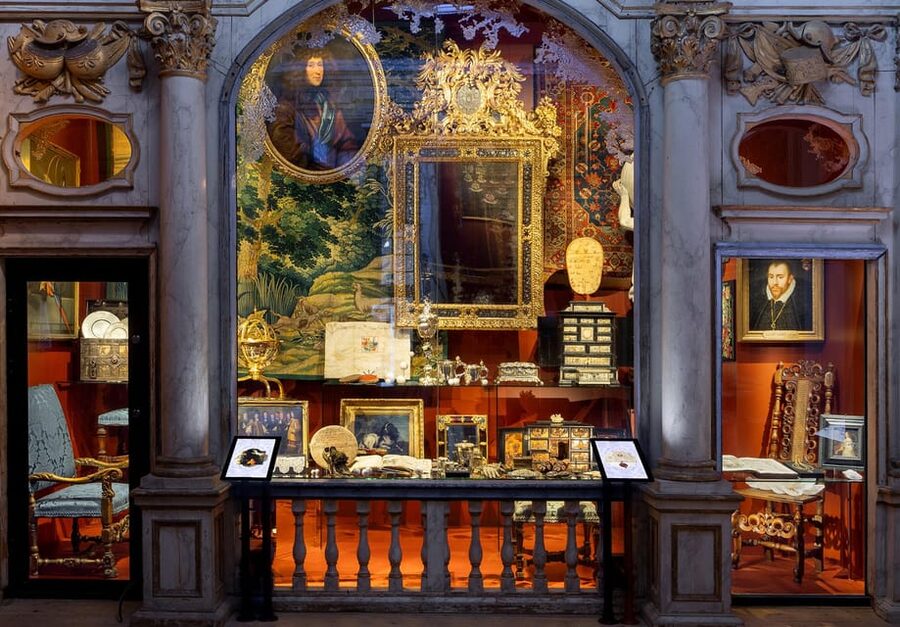
- Table Settings follows five centuries of meals: This is a useful way to see how customs, social life, and domestic habits changed over time.
- The museum works well for independent visitors: Selected displays have Swedish and English audio, and Nordic Life texts can be read on your phone.
- Plan for a cash-free visit: Bring a bank card for the shop and restaurant, plus your own headphones if you want the audio guide.
Nordiska Museet on Royal Djurgården
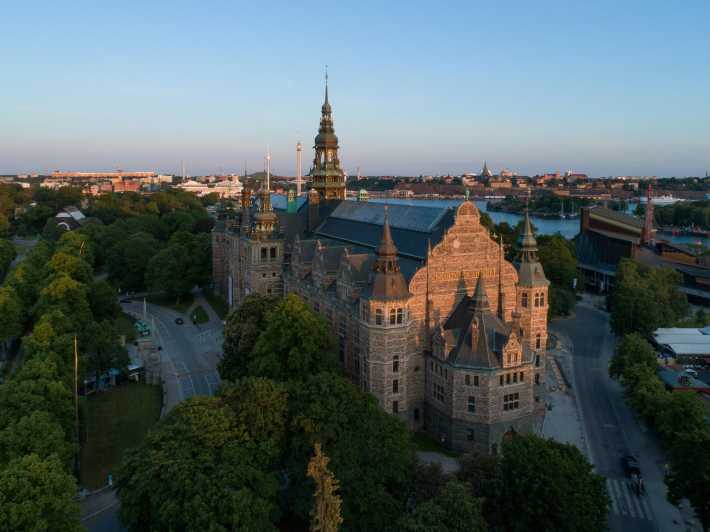
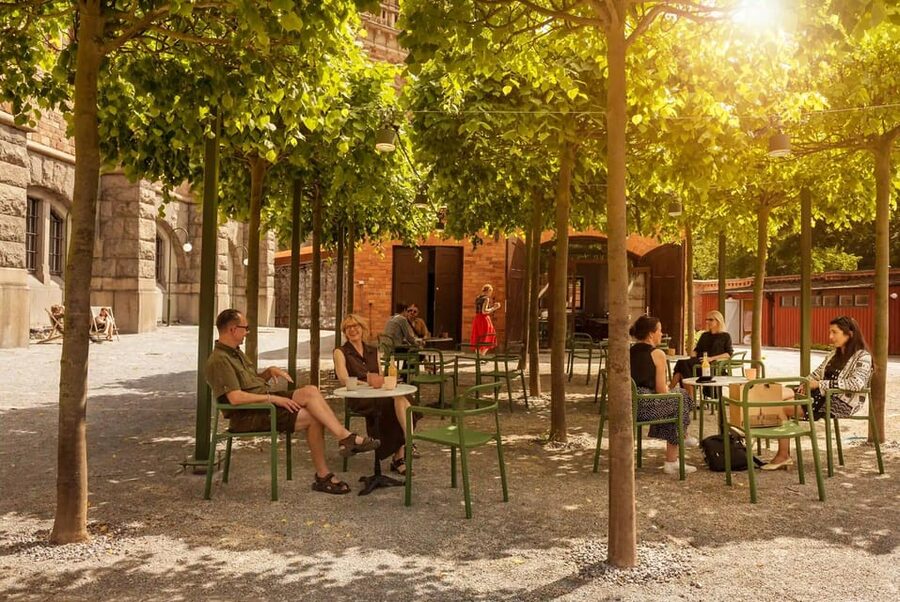
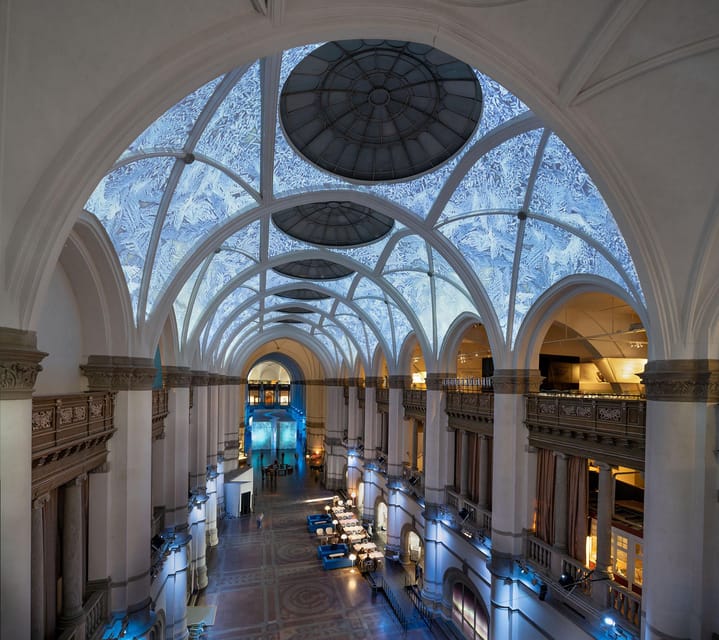
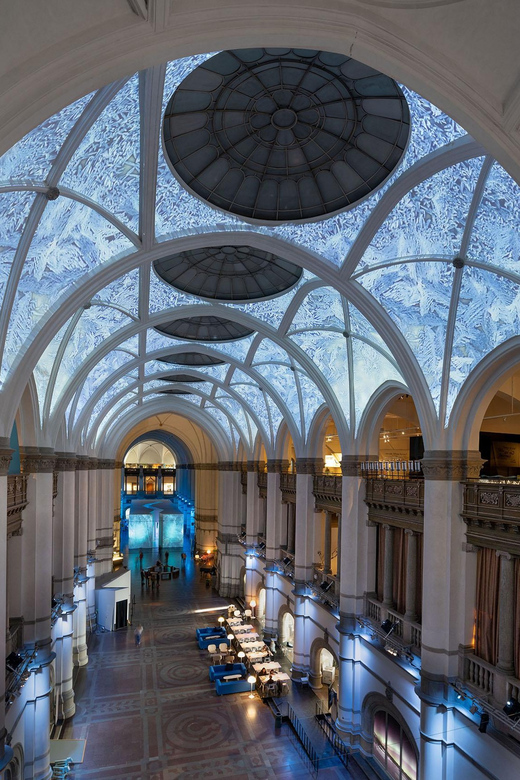
Your visit begins before you reach the galleries. Nordiska Museet occupies one of Stockholm’s most recognizable museum buildings, set on Royal Djurgården among parks and other cultural attractions. The architecture gives the museum a sense of occasion, but the displays inside are often about very ordinary things.
That contrast is part of the appeal. You might enter expecting grand national history and find yourself thinking about kitchens, clothing, children’s rooms, religious customs, and the way a family uses its home. This approach makes Nordic culture easier to understand because it connects large ideas to objects people actually handled.
Your ticket is valid for one day, so you do not need to race. You show it to the staff at the front desk, then choose your own order through the exhibitions. Since there is no guide included, you control the pace and can spend more time with the subjects that interest you.
The museum is wheelchair accessible. Oversize luggage, large bags, food, and drinks are not allowed, so arrive without bulky items if possible. The building has a shop and a restaurant, but the museum itself is cash-free. You can pay by credit or debit card in both places.
A few more Stockholm half-days to weigh up
- Stockholm: City Archipelago Sightseeing Cruise with Guide
★ 4.3 · 10,798 reviews - Stockholm: Skansen Open-Air Museum Admission Ticket
★ 4.5 · 3,427 reviews - Stockholm: Archipelago Boat Tour
★ 4.4 · 3,110 reviews
Nordic Life and the shape of everyday culture
Nordic Life is the central reason to choose this ticket. It is described as the largest exhibition ever held at the museum, and its subject is broad: how life in the Nordic region has been shaped and reshaped by people, nature, and climate.
That wording matters. You are not simply moving from one date to another and memorizing facts. The exhibition asks you to consider what nature means to people, how families and homes are organized, and what Nordic communities believe in. It connects private life with wider cultural change.
The time span runs from the 16th century to the present day. That lets you compare older customs with modern life rather than treating Nordic culture as a single fixed thing. You can look for changes in the home, family life, habits, and ideas across several centuries.
Real objects carry much of the story. This is useful if you prefer museums that show how people lived rather than only presenting portraits, documents, or major events. A household item may tell you about work, status, religion, taste, or technology without requiring a long lecture.
You can read the exhibition texts and screens on your phone through guide.nordiskamuseet.se. That is a practical feature, especially since no personal guide is part of the ticket. Selected exhibitions also offer audio in Swedish and English. Bring your own headphones, since they are not supplied.
I would begin with Nordic Life while your attention is fresh. Its scope is wide, and it gives you the background needed to understand the smaller exhibitions. If you arrive late in the day, focus here first rather than trying to cover every room.
The Arctic and a changing northern region
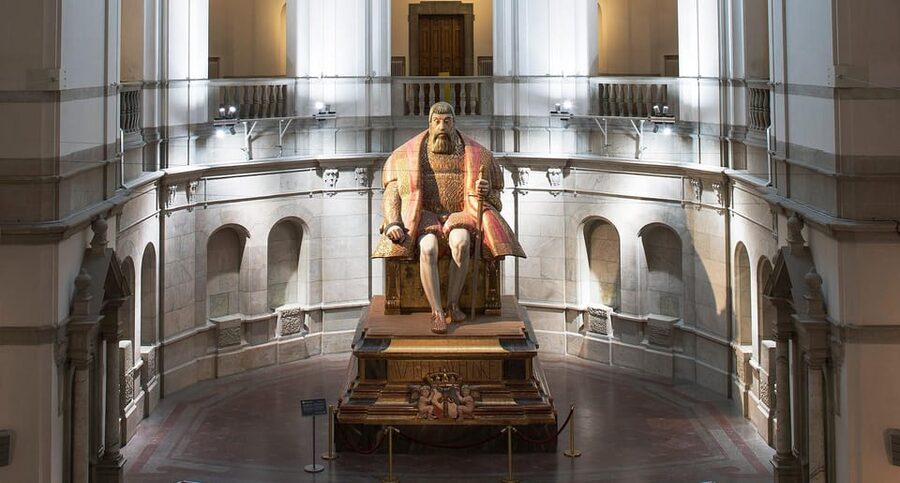
The Arctic exhibition shifts the mood. It looks at the far north at a time when the ice is melting, bringing climate and environmental change into a museum devoted to culture and daily life.
This section is valuable because it shows that Nordic identity is not only about cities, design, food, and homes. The northern environment has shaped work, travel, settlement, traditions, and ideas about nature. The Arctic display gives those subjects a place within the wider story.
The information provided does not specify the exact size or layout of the Arctic section, so you should not expect a fixed amount of time there. Treat it as an important companion to Nordic Life rather than the only reason to visit.
If you want a museum visit with a clear present-day connection, this section may be one of the strongest parts. If your main interest is domestic history, you may prefer the 1940s Flat or Table Settings. The ticket lets you choose without paying separately for each area.
A short note of practical advice: the strongest praise attached to the museum’s current displays has focused on the main exhibition and the Arctic area. Give both a proper look instead of treating the Arctic section as a quick add-on.
Table Settings and five centuries of meals
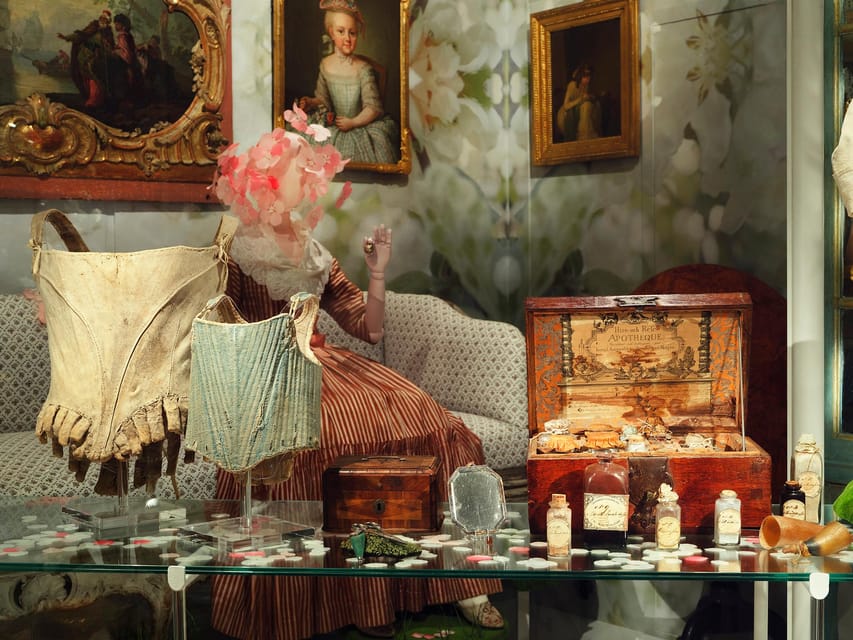
Table Settings takes a familiar subject and stretches it across five centuries. Meals are never only about food. A table can show social rank, family structure, religious practice, hospitality, fashion, and changing ideas about comfort.
This exhibition should appeal to you if you enjoy design, cooking, material culture, or the small clues that reveal how people lived. Plates, serving pieces, arrangements, and dining customs can show how a society wanted to present itself, both at home and in public.
The five-century span also gives you an easy way to compare change. You can see how the table setting develops from older customs into later forms, and how daily life may differ from formal occasions. The display makes a good pause between the broader themes of Nordic Life and the more focused home exhibitions.
Do not expect this to be a restaurant-style food experience. The value is visual and cultural, not a tasting session. If you are hungry, the museum restaurant serves lunch courses each day, along with Swedish fika and drinks.
Same city, a completely different kind of day:
- Stockholm: Highlights Boat Tour
★ 4.3 · 2,542 reviews - Stockholm Pass: Save up to 50% – Includes Vasa Museum Ticket
★ 4.1 · 2,392 reviews - Stockholm: Ghost Walk and Historical Tour
★ 4.7 · 2,206 reviews - Walking Tour of Stockholm Old Town
★ 5.0 · 1,175 reviews
The 1940s Flat, a home from 1947
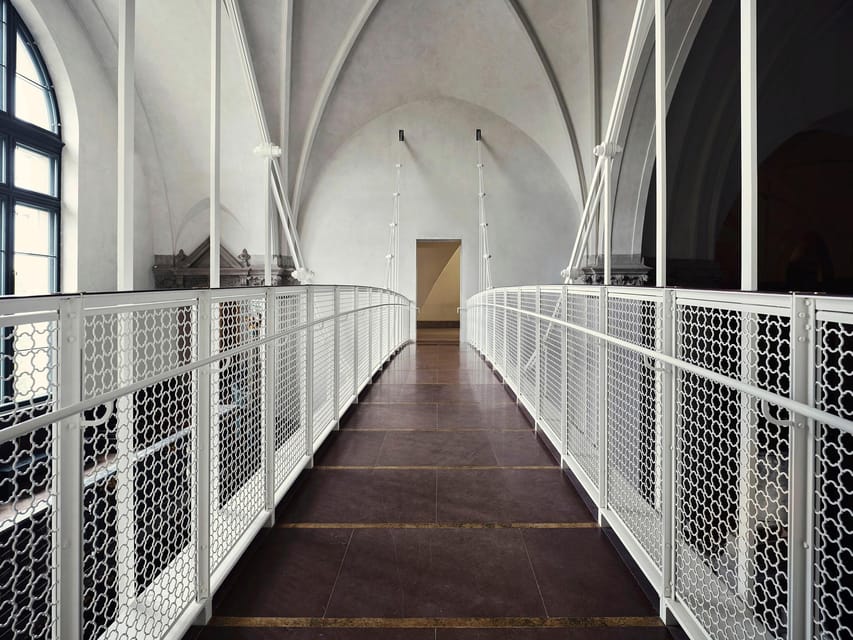
The 1940s Flat offers one of the clearest ways to picture the past. Rather than asking you to imagine daily life from written labels alone, it presents a home from 1947.
A complete home can reveal things a single object cannot. You can think about how rooms were used, what people considered essential, and how domestic life was arranged in the period just after the Second World War. The date gives the exhibit a precise anchor, which helps you place the furniture and habits in time.
This is likely to be one of the best stops for families and for anyone who finds social history easier to grasp through rooms and objects. It also gives variety to a visit that might otherwise involve a lot of reading.
The museum does not state how long the flat takes to see, so your time will depend on how closely you examine it. I would slow down here. Ask yourself what has changed in homes since 1947 and what has remained familiar.
British; Ever so Nordic and Dollhouses
British; Ever so Nordic examines Nordic fashion and lifestyle through British patterns. The exhibition sounds especially useful if you are interested in clothing, design, or the way cultural ideas move across borders.
Its title points to an interesting tension. Nordic culture is often presented as separate and self-contained, but fashion and lifestyle develop through contact with other places. British patterns offer a way to see that Nordic identity can include outside influences while still taking on a local form.
Dollhouses takes a smaller approach. It presents eight homes in miniature, giving you a compact view of interiors and domestic ideals.
Miniature homes can be more than a novelty. They let you compare rooms, objects, and arrangements at a glance. Children may respond to the scale, while adults can look at how each home expresses taste, comfort, status, or family life.
These two exhibitions are useful after the larger displays because they narrow the focus. British; Ever so Nordic looks at style and influence, while Dollhouses turns the home into a model you can study quickly.
How much time should you allow?
The ticket is valid for one day, but the museum does not provide a fixed tour length. Your visit could be a short cultural stop or a longer afternoon, depending on how much of Nordic Life you read and how closely you examine the smaller exhibitions.
I would allow at least a few hours if the museum is a main part of your day. That gives you time for Nordic Life, the Arctic, and at least two of the focused displays without making the visit feel like a checklist.
A shorter visit still works if you choose carefully. Start with Nordic Life, then add the Arctic or the 1940s Flat. Table Settings is a good choice if you like food and design, while British; Ever so Nordic and Dollhouses suit visitors interested in fashion, interiors, and visual details.
Because you can visit for the full day, the museum also pairs well with a flexible schedule on Djurgården. You can take a break for lunch or fika, then return to the galleries. The available information does not confirm whether same-day reentry works, so check with the front desk if you plan to leave and come back.
Price, food, and the practical value of the ticket
At about $19 per person, this is a reasonable museum ticket if you expect to spend several hours inside. You are paying for access to a large permanent cultural institution and several exhibitions, not for a short guided presentation.
The value is strongest for visitors who like independent sightseeing. You can choose your own pace, return to a display during the day if permitted by museum policy, and use the phone guide instead of paying for a separate guide. You also get access to subjects that range from the 16th century to current climate concerns.
The value is weaker if you want a tightly organized tour with a named expert explaining every room. No guide is included, and the audio guide is available only in selected exhibitions. You should be comfortable reading exhibition material and using your phone for additional text.
The restaurant serves lunch courses daily, as well as Swedish fika and drinks. Fika is a useful part of Swedish food culture, usually linked with taking time for coffee and a small sweet or snack, though the exact menu is not specified here.
The museum shop offers Nordic everyday goods and crafts. That makes it more useful than a shop filled only with logo souvenirs, but the exact products and prices can change. Remember that the museum is cash-free, so use a credit or debit card.
Who will get the most from this visit?
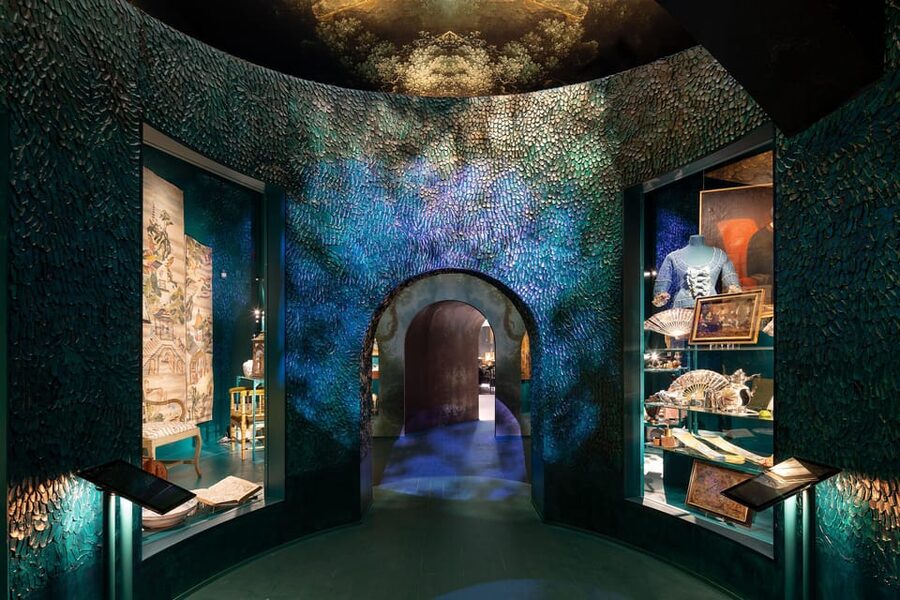
I would recommend Nordiska Museet to you if you enjoy culture through ordinary life. The exhibits cover homes, families, tables, clothing, beliefs, and nature, so you do not need a specialist interest in Swedish history to find a way in.
Families may appreciate the dollhouses and the home displays, while design fans have the table settings and fashion exhibition. The Arctic section adds substance for anyone interested in climate and the relationship between people and nature.
This is also a good rainy-day choice because the visit is indoors and flexible. The wheelchair-accessible building makes it practical for visitors who need step-free access, though the supplied information does not give details about every gallery route or facility.
You may want to choose another activity if you have only a very short stop in Stockholm and prefer a guide-led introduction. The museum is large enough that a rushed visit could leave you with a blur of objects instead of a clear sense of the story.
The overall booking score is 4.3 out of 5 from 253 ratings. Recent feedback includes a Finnish note praising the main and Arctic exhibitions, an Italian comment describing the museum as large, beautiful, and full of history and culture, and an Estonian note calling it a compact introduction to history. Those points fit the ticket well: it can support a long visit, but you can also select a few sections for a concise cultural overview.
Should you book Nordiska Museet?
Book it if you want a broad, self-guided look at Nordic life and you have enough time to explore beyond one gallery. The best combination is Nordic Life, the Arctic exhibition, and either the 1940s Flat or Table Settings.
At $19, the ticket makes good sense for an independent museum day, especially if you like real objects, domestic history, design, and cultural change. Bring headphones, leave large bags behind, and plan to pay by card.
Skip it if you want a personal guide, a short fixed route, or a single blockbuster sight. For everyone else, Nordiska Museet offers a thoughtful way to understand Sweden through the details of daily life.
FAQ
Where is Nordiska Museet located?
Nordiska Museet is located on Royal Djurgården in Stockholm County, Sweden.
How long is the ticket valid?
The ticket is valid for one day.
What does the ticket include?
It includes entry to Nordiska Museet and access to the exhibitions available during your visit.
Is a guide included?
No. A personal guide is not included. Selected exhibitions offer audio in Swedish and English.
Can I read the Nordic Life exhibition texts on my phone?
Yes. Exhibition texts and screens in Nordic Life can be read at guide.nordiskamuseet.se.
Should I bring headphones?
Yes. You should bring your own headphones if you want to use the audio guide.
Is Nordiska Museet wheelchair accessible?
Yes. The museum is wheelchair accessible.
Can I pay with cash?
No. The museum is cash-free. You can pay by credit or debit card in the museum shop and restaurant.
Are food and large bags allowed inside?
No. Food and drinks, oversize luggage, luggage, and large bags are not allowed.
Can I cancel the booking?
Yes. You can cancel up to 24 hours in advance for a full refund. Reserve now and pay later is also available.
Just added around Stockholm
- World War II Stockholm Old Town Walking Tour and Army Museum★ 4.6 · 4 reviews
- Stockholm: Archipelago Guided Boat & Walking Tour of Vaxholm★ 3.1 · 23 reviews
- Vaxholm & Stockholm Archipelago: Guided Excursion, Day Trip★ 4.8 · 41 reviews
- Stockholm: Underground Metro Art Ride with a Local Guide★ 4.6 · 39 reviews
- Minivan Arrival Transfer Stockholm Airport ARN to Stockholm City★ 4.5 · 8 reviews
- Airport Transfer: Airport ARN to Stockholm by Business Car★ 4.0 · 3 reviews
- Arlanda Express Train Airport and Stockholm City Transfer★ 5.0 · 3 reviews
- Traditional Persian Cooking Class in Stockholm with a Local★ 5.0 · 20 reviews
Tickets, compared.

Avicii Experience Skip-the-Line Entrance Ticket
Read our review →
Skip the Line: Disgusting Food Museum Entrance Ticket
Read our review →

Vasa Museum Guided Tour, Including Ticket & Guide
Read our review →
Browse the lists this tour appears in