
Reviewed · OLD TOWN WALKING TOURS
Gamla Stan: Essential Tour of Stockholm
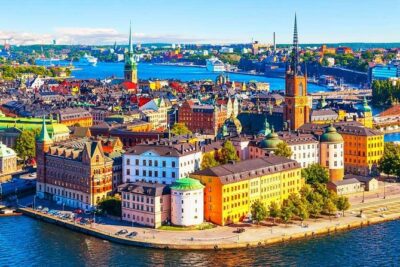
Gamla Stan is easiest to understand when you follow its story street by street. This 2.5-hour walk moves from the Viking era through German influence, Danish conflict, the 1520 Stockholm Bloodbath, and Gustav Vasa’s rise, while placing you among narrow medieval lanes and colorful old buildings.
I like the chronological structure, which gives the history a clear thread instead of a pile of disconnected dates. I also like the guide-led pace and the chance to ask about modern Swedish life, not just kings and battles. The main drawback is that a walking tour through tight old-town streets may feel less comfortable in poor weather, so dress for the forecast and wear sensible shoes.
Key points to know before booking
- History told in order: The tour connects the Viking era, Danish rule, the Stockholm Bloodbath, and Gustav Vasa’s succession.
- Classic Gamla Stan sights: You see the Royal Palace, Stockholm Cathedral, German Church, Riddarholmen, Parliament House, and Stortorget.
- A real old-town walk: Mårten Trotzigs gränd, Stockholm’s narrowest street, is part of the route.
- English-speaking local guide: Guides including Sophie, Oscar, Gaya, Katherine, and Maria have led the experience.
- Good value at $21: For two and a half hours of orientation, history, and practical recommendations, the price is modest.
- Flexible booking: You can cancel up to 24 hours before the tour for a full refund and reserve now while paying later.
Starting at Gustav Adolfs Torg
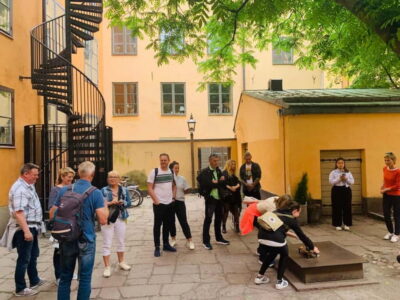
The tour begins in central Stockholm at Gustav Adolfs Torg. Look for the guide in the middle of the square holding a rainbow-colored umbrella. That detail matters, since a city-center meeting point can otherwise leave you scanning a crowd of commuters and sightseers.
Starting here gives the walk a useful sense of place. You are not dropped straight into a list of old buildings. Instead, the guide sets up the broader story of Stockholm before leading you toward Gamla Stan, the historic island at the heart of the city.
The English-language tour lasts about 2.5 hours. That is long enough to cover a solid amount of history without turning the outing into an all-day march. You should still expect to be on your feet for most of the experience, with frequent stops for explanation.
The exact starting time depends on the date you choose, so check availability before planning lunch, a museum visit, or a palace entry around it. If you are running late, contact the local operator in advance. The meeting point is central, but arriving after the group has moved into the old town could make catching up harder.
More old town walks in Stockholm:
- Walking Tour of Stockholm Old Town
★ 5.0 · 1,175 reviews - The Original Stockholm Ghost Walk and Historical Tour – Gamla Stan
★ 4.5 · 1,165 reviews - Stockholm: Old Town Walking Tour with Local Guide
★ 4.7 · 719 reviews
Parliament House and the first layer of Stockholm
Parliament House is the first listed stop, with about 10 minutes for a guided explanation. This is a useful early pause because the tour is not only about medieval walls and royal figures. It also connects the older city to the Sweden you see today.
I appreciate this kind of stop on a first-day city tour. Parliament House helps place Swedish political life alongside the historical events that shaped the country. Your guide can also answer questions about present-day Sweden, so this is a good point to ask about anything you notice in modern Stockholm.
The short format keeps the stop focused. You are not visiting the interior as part of this walk, and the tour is better understood as an outdoor orientation than as a series of museum admissions.
Riddarholmen and Stockholm’s older core
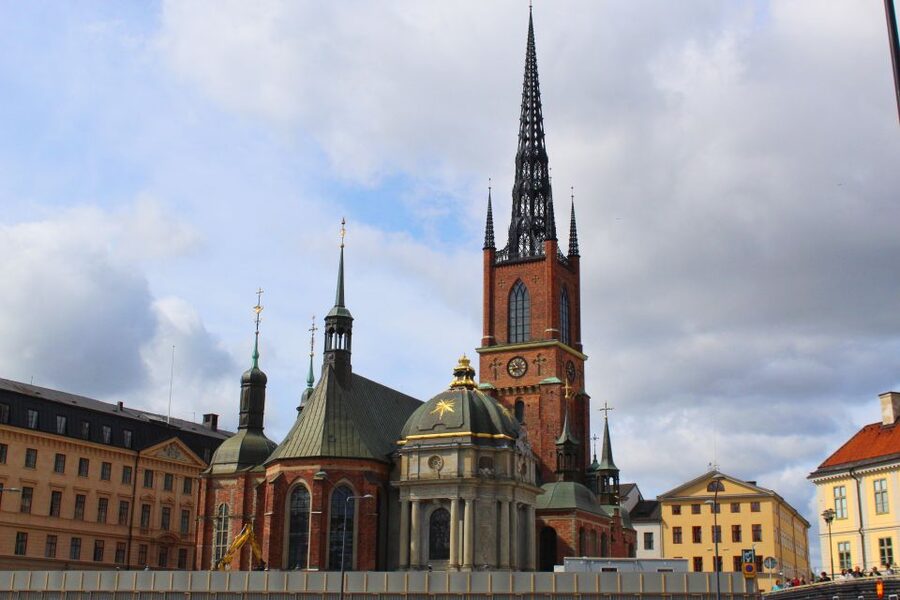
The route continues to Riddarholmen, another 10-minute guided stop. From here, the old center of Stockholm begins to feel less like a collection of postcard views and more like a place shaped by power, religion, trade, and conflict.
Riddarholmen is included because it helps show how the historic center extends beyond one main square. The guide gives you context while you look around, rather than leaving you to guess why this part of the city matters.
This is also where the tour’s structure starts paying off. The guide is not simply pointing out attractive corners. The story moves through time, allowing each location to add another piece to the development of Stockholm.
Mårten Trotzigs gränd, the tightest turn
Mårten Trotzigs gränd is one of the most memorable physical details on the route. It is known as Stockholm’s narrowest street, and the brief stop lets you see how tightly packed parts of Gamla Stan can be.
This is a small place, but it gives the walk character. Broad squares and grand palaces can blur together after a while. A narrow passage such as this gives you a sharp sense of the medieval street plan and creates one of the tour’s most distinctive photo stops.
You should not expect to linger in a large open area here. The lane is narrow by design, and the group will likely keep moving so other people can pass. Stay close enough to hear the guide, especially if the group is larger.
One useful point from the tour feedback is that a group of about 15 people allowed the guide to cover plenty of ground without constant jostling. Group size can change, of course, but this gives you a reasonable idea of the format when conditions are favorable.
A few more Stockholm half-days to weigh up
- Stockholm: City Archipelago Sightseeing Cruise with Guide
★ 4.3 · 10,798 reviews - Stockholm: Skansen Open-Air Museum Admission Ticket
★ 4.5 · 3,427 reviews - Stockholm: Archipelago Boat Tour
★ 4.4 · 3,110 reviews - Stockholm: Highlights Boat Tour
★ 4.3 · 2,542 reviews
German Church and the city’s outside influence
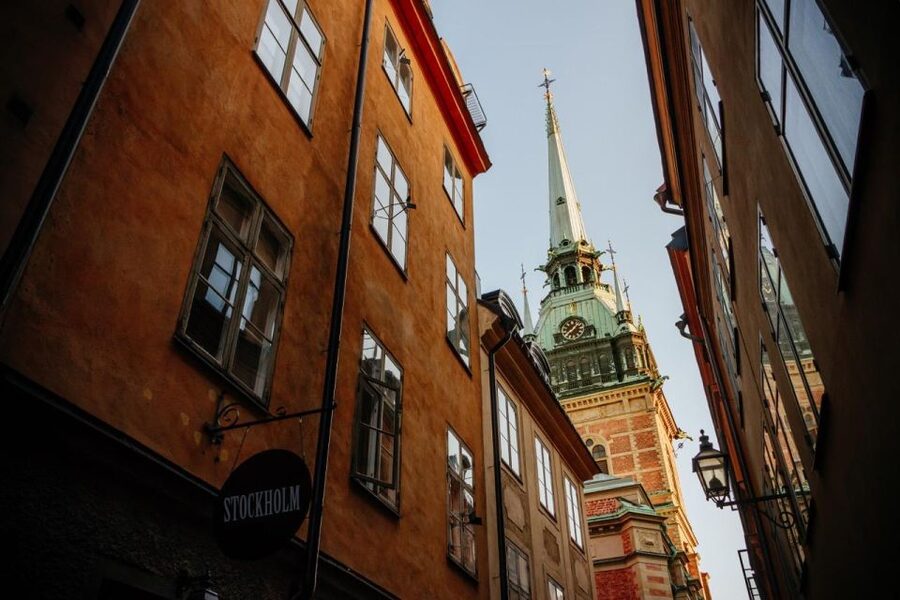
The German Church, or Tyska kyrkan, brings the tour back to the international forces that shaped Stockholm. The historical account includes German influence in Sweden, and this stop gives that subject a clear place within the walk.
The church is especially useful in a tour that explains Stockholm as a trading city rather than an isolated royal capital. Your guide links architecture and location to the people and connections that helped shape the old town.
About 10 minutes is enough for a focused explanation without exhausting your attention. You will hear the guide outdoors, so sound and crowd conditions can affect how much detail you catch. If you have a question, ask it rather than waiting until the end. The guides are encouraged to make the walk interactive.
The Royal Palace and the weight of monarchy
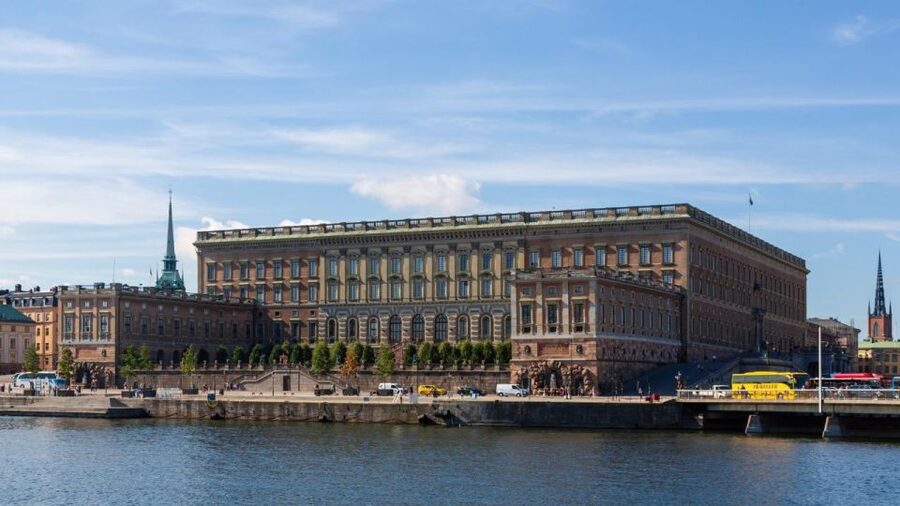
The Royal Palace is one of the major sights on the route. Here, the story of Swedish rulers becomes more concrete, and the guide can connect the palace to the political shifts discussed earlier.
The tour’s historical sequence is especially helpful at this point. You have already heard about the Viking era, German connections, and the Danish clash. The discussion then reaches the Stockholm Bloodbath of 1520 and the succession of Gustav Vasa, one of the most important turning points in Swedish history.
That sequence gives you a framework for later sightseeing. If you plan to visit the palace separately, this walk can help you understand why it matters before you spend time looking at its rooms and collections. If you do not have time for an interior visit, the exterior stop still gives you a strong first orientation.
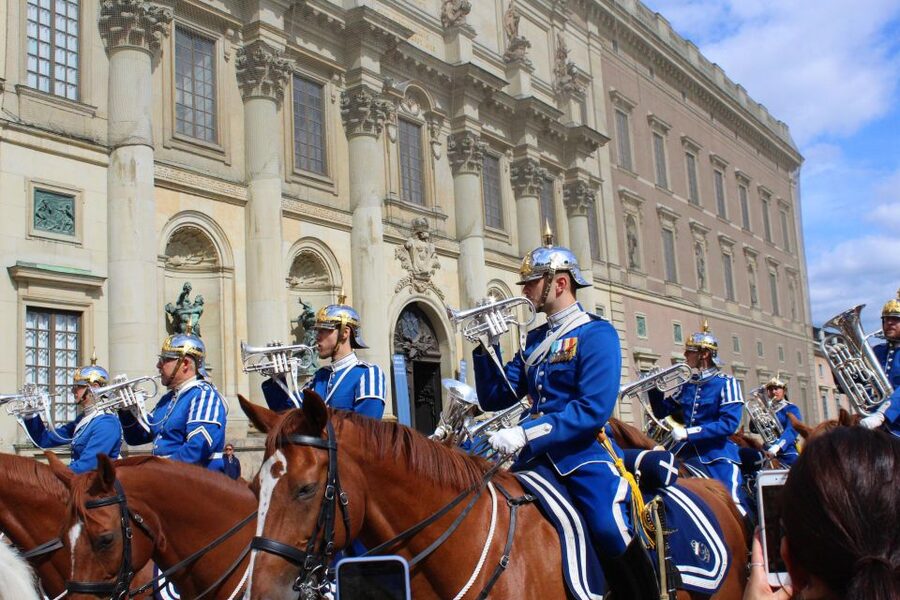
One useful detail from the feedback is that a guide once timed the route to include the changing of the guard, complete with a marching band. Treat that as a possible bonus, not a promised part of the tour. Ceremonies and schedules can change, but if the timing works, it could add a memorable live moment to the palace stop.
Stockholm Cathedral and the religious side of power
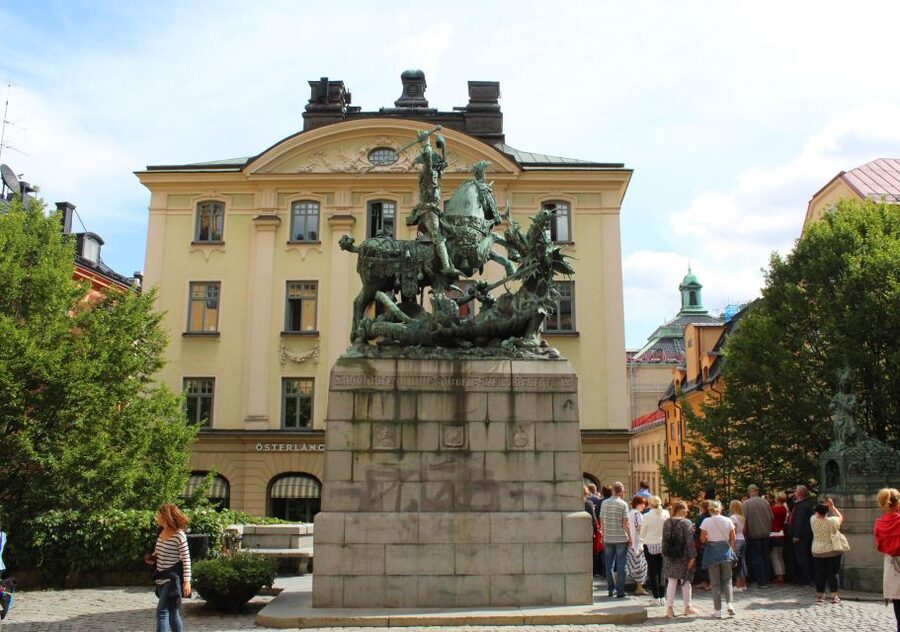
Stockholm Cathedral is another 10-minute guided stop. The cathedral adds a religious dimension to a walk that otherwise moves between royal, civic, and commercial parts of the old town.
This is a good place to listen for how your guide connects religious institutions with Swedish history. The tour does not list an interior visit, so you should book this experience for the outdoor explanation and surrounding atmosphere rather than as a cathedral admission.
The cathedral also helps break up the longer historical narrative. After several stops involving political power and foreign influence, a church gives you another way to read the old town. The value is not only the building itself, but the way the stop broadens the story.
Stortorget, where the walk reaches its strongest finish
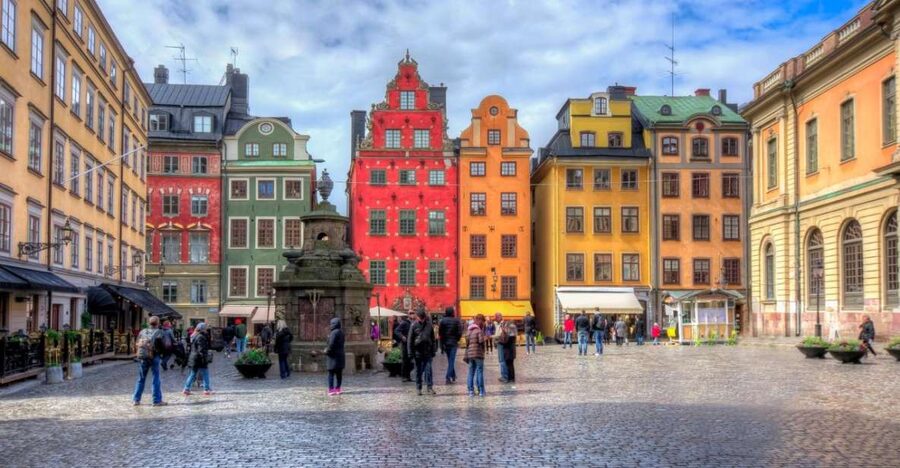
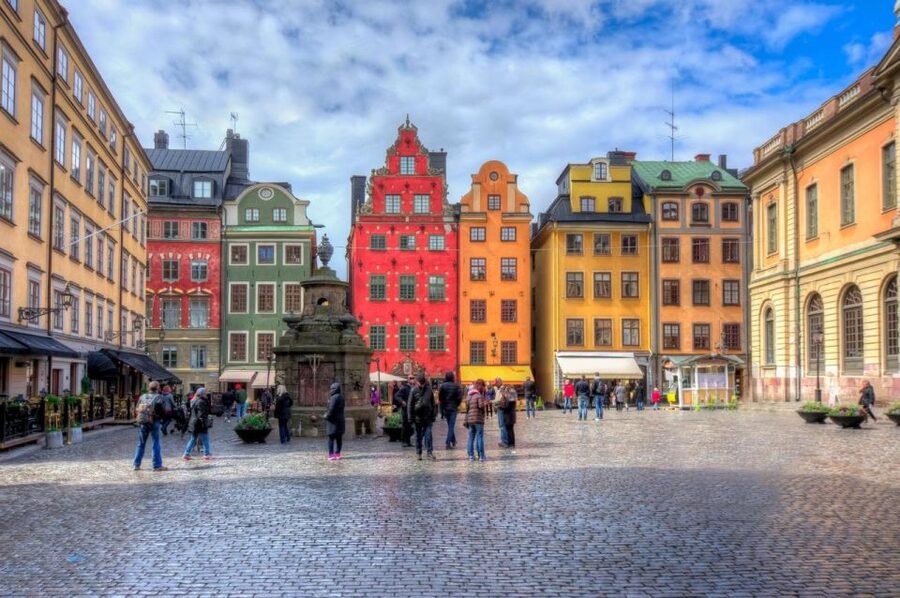
The route finishes at Stortorget, Gamla Stan’s famous main square. This is one of the most recognizable spaces in Stockholm, with colorful historic facades and a central position in the old town.
Stortorget is also tied to the Stockholm Bloodbath, so it makes sense as the final major stop after the guide has built the story in sequence. You are not hearing about the event in isolation. By this point, you have been introduced to Danish conflict, Swedish succession, and the wider struggle for power.
The square is a practical place to finish because you can continue exploring on your own afterward. You might use the guide’s recommendations to choose a cafe, museum, restaurant, or another old-town street. The activity includes travel recommendations, which is helpful when you want more than a quick history lesson.
Do not treat the ending as a grand finale with an extended formal presentation. The tour is a walking orientation, and its strength is the steady movement between places. Once the guided portion ends, you can stay in Gamla Stan and revisit the spots that interested you most.
Why the chronological format works
Many city walks jump from a church to a palace to a statue with little connection between them. This one is designed chronologically, beginning with the Viking era and moving through German influence, Danish conflict, the Stockholm Bloodbath, and Gustav Vasa.
I find that approach easier to remember. You can place each landmark in a wider story instead of trying to memorize separate facts. The structure also gives you useful background for later visits to Stockholm’s museums and royal sites.
The guide’s personality matters here. Gaya has been described as entertaining and professional, while Sophie is known for cheerful energy and clear explanations. Oscar’s style leans toward vivid storytelling and humor, and Katherine has been praised for combining plenty of stops with a strong sense of adventure. The guide you receive will vary, but these examples show the style to expect: lively, conversational, and open to questions.
The tour also includes contemporary Swedish life. That is important because history can become too distant if every subject concerns monarchs and battles. Ask about modern customs, daily life, or anything that puzzles you during the walk. One guide even checked questions with Swedish friends to offer a local cultural view, which is the kind of detail that can make a short tour feel personal.
Price, length, and practical value
At $21 per person, this is a fairly economical way to get an introduction to Stockholm. You are paying for 2.5 hours with a live English-speaking guide, not for museum tickets, food, transport, or a private tour.
I see the value in the combination of orientation and context. A self-guided walk through Gamla Stan costs nothing, but you would need to research the Viking era, German influence, the Bloodbath, Gustav Vasa, and the purpose of each landmark yourself. The tour gives you a route and a historical sequence in one booking.
The experience is also flexible. You can reserve now and pay later, and cancellation is free up to 24 hours before the start for a full refund. Those terms are useful if your Stockholm plans depend on weather or transport.
Weather is the main practical consideration. The tour takes place outdoors, so check the forecast and dress accordingly. Rain, wind, or cold can make two and a half hours feel much longer. Comfortable shoes matter too, since the route passes through narrow old-town streets and includes several standing stops.
The tour is listed as wheelchair accessible. If you have particular mobility needs, it is still sensible to contact the operator before arrival and confirm that the planned route and current conditions suit you.
Who will get the most from this walk
I would choose this tour for a first visit to Stockholm, especially if you want a quick sense of direction before exploring independently. The route covers the major old-town names, but the guide’s explanations give you a reason to remember them.
It also suits history fans who prefer a clear storyline to a loose collection of facts. The emphasis on medieval Stockholm, Danish and German influence, the 1520 Bloodbath, and Gustav Vasa gives the walk more substance than a basic photo stop.
Families and mixed-age groups may appreciate the short explanations and regular changes of location. The guides use humor and wordplay, and the walking pace allows the group to stop often rather than rushing from one landmark to the next.
You might choose something else if you want a private guide, a museum interior tour, or a deep focus on architecture. You should also think twice if a long outdoor walk is uncomfortable in the forecast conditions. This is an accessible overview, not a specialist seminar.
Should you book the Gamla Stan Essential Tour?
Book it if you want a reasonably priced, well-organized introduction to Stockholm’s old center. The strongest reasons are the chronological history, the concentration of famous sights, and the lively English-speaking guides. The narrowest street in Stockholm and the possible chance of seeing the changing of the guard add memorable details.
Skip it if you already know Gamla Stan well or prefer to explore entirely at your own pace. For a first-time visit, though, $21 buys a useful framework for the rest of your stay, plus practical recommendations for what to see next.
FAQ
How long does the Gamla Stan Essential Tour last?
The walking tour lasts 2.5 hours. Starting times vary, so check availability for the date you want.
What language is the tour offered in?
The tour is conducted in English by a live guide.
Where does the tour start?
It starts at Gustav Adolfs Torg in central Stockholm. The guide will be in the middle of the square with a rainbow-colored umbrella.
Where does the tour finish?
The route finishes at Stortorget in Gamla Stan. The activity information also states that it ends back at the meeting point.
Which major sights are included?
The route includes Parliament House, Riddarholmen, Mårten Trotzigs gränd, the German Church, the Royal Palace, Stockholm Cathedral, and Stortorget.
Is Mårten Trotzigs gränd part of the tour?
Yes. The tour includes Stockholm’s narrowest street, Mårten Trotzigs gränd.
Is the tour wheelchair accessible?
Yes, the activity is listed as wheelchair accessible.
Can I cancel the booking?
Yes. You can cancel up to 24 hours in advance for a full refund. You can also reserve now and pay later.
Just added around Stockholm
- World War II Stockholm Old Town Walking Tour and Army Museum★ 4.6 · 4 reviews
- Stockholm: Archipelago Guided Boat & Walking Tour of Vaxholm★ 3.1 · 23 reviews
- Vaxholm & Stockholm Archipelago: Guided Excursion, Day Trip★ 4.8 · 41 reviews
- Stockholm: Underground Metro Art Ride with a Local Guide★ 4.6 · 39 reviews
- Arlanda Express Train Airport and Stockholm City Transfer★ 5.0 · 3 reviews
- Minivan Arrival Transfer Stockholm Airport ARN to Stockholm City★ 4.5 · 8 reviews
- Airport Transfer: Airport ARN to Stockholm by Business Car★ 4.0 · 3 reviews
- Traditional Persian Cooking Class in Stockholm with a Local★ 5.0 · 20 reviews
Old Town Walking Tours, compared.
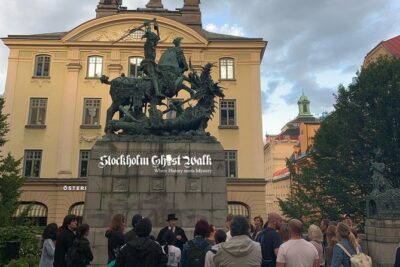
The Original Stockholm Ghost Walk and Historical Tour – Gamla Stan
Read our review →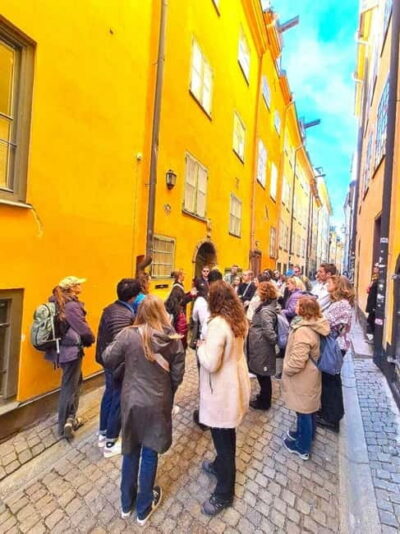
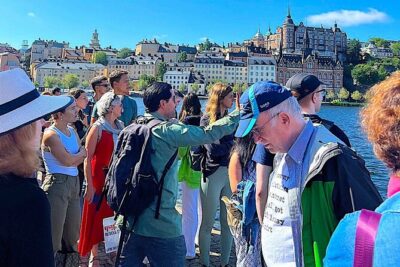
Walking Tour of Stockholm’s Old Town, Gamla Stan
Read our review →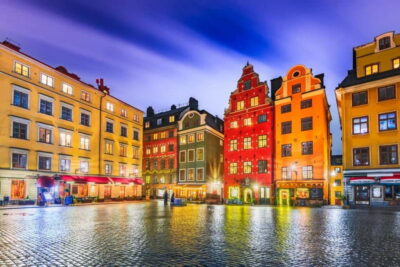
Old Town Guided Walking Tour (English / Deutsch)
Read our review →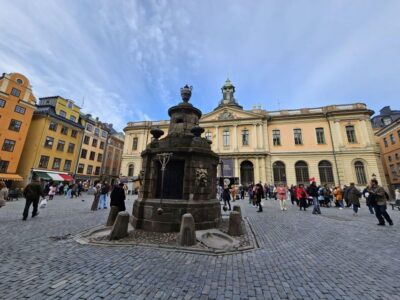
Secrets of Gamla Stan Guided Tour w/ Fika Option
Read our review →Browse the lists this tour appears in