
Reviewed · VIKING HISTORY TOURS
From Stockholm: Viking Culture Guided Tour with Transfer
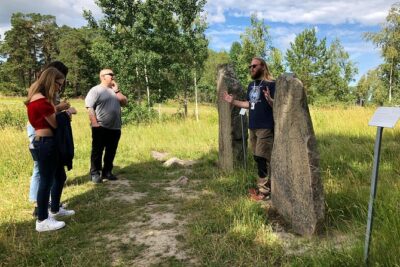
The most rewarding part of this tour is that it takes Viking history out of the museum and into the countryside. You stand beside real rune stones, walk through a grave field used more than 1,000 years ago, and see the places where early Swedish communities lived and governed themselves. Sigtuna, with its wooden houses and church ruins, gives the day a charming finish.
I like the combination of open countryside and serious history, and I like having a local guide explain what the stones and burial sites actually tell us about Viking society. Guides such as Olof, Gabriel, Eric, Charlotte, and Calle have been praised for clear explanations, humor, and patience with questions. The main drawback is that some stops are outdoors on lightly rugged ground, and lunch is not included.
Key points to know before you book
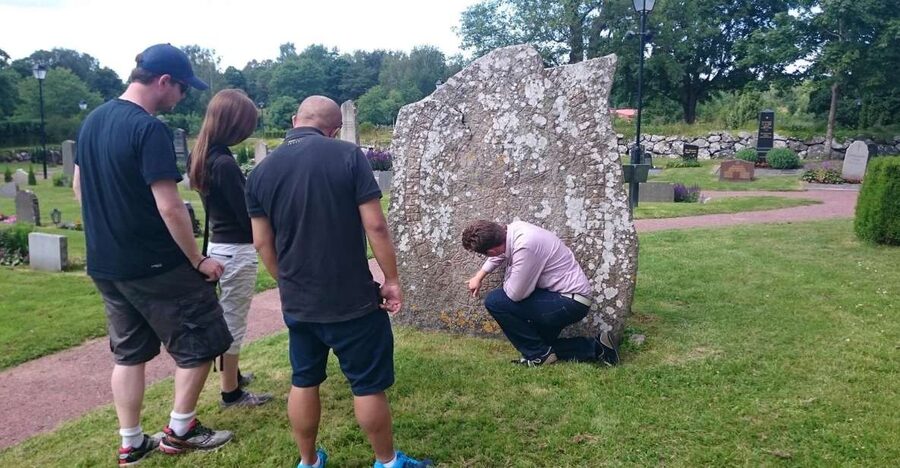
- Broby bro reveals Viking burial customs: Walk among Iron Age and Viking Age graves, including the site linked with Estrid, a woman identified through her skeleton.
- Jarlabanki’s causeway shows Viking power: See the remains of a 150-meter bridge built by an ambitious local ruler.
- The ancient council site explains Viking society: Learn how decisions and local power worked before modern government.
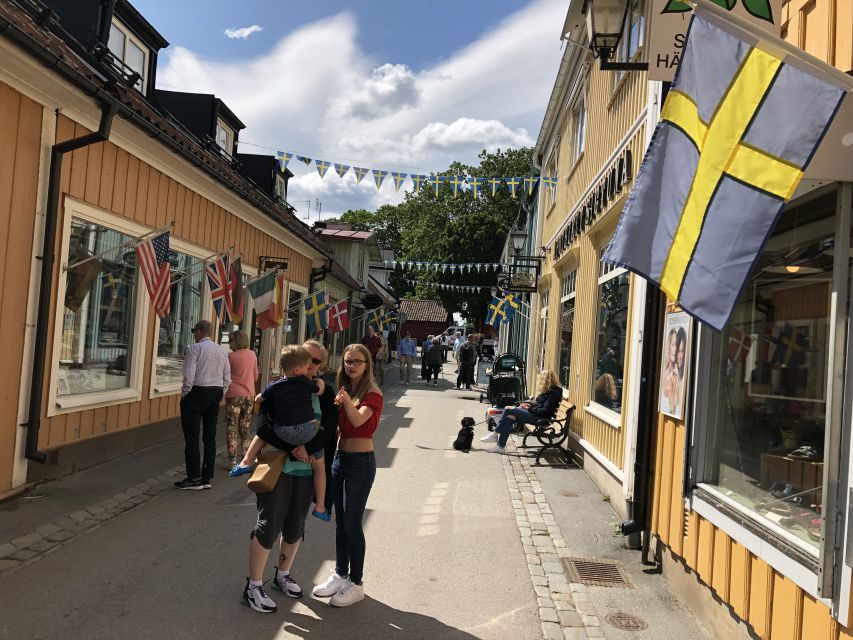
- Sigtuna adds a pleasant small-town finish: Walk past 18th-century wooden buildings, church ruins, and views across Sigtuna Bay.
- Hotel and cruise pickup simplify the day: Pickup is available from central accommodation and Stockholm Central Station, with drop-off in central Stockholm.
- Six hours gives the subject room to breathe: You get more than a quick photo stop, though traffic and pickup delays can affect the schedule.
Why this is a useful day beyond Stockholm
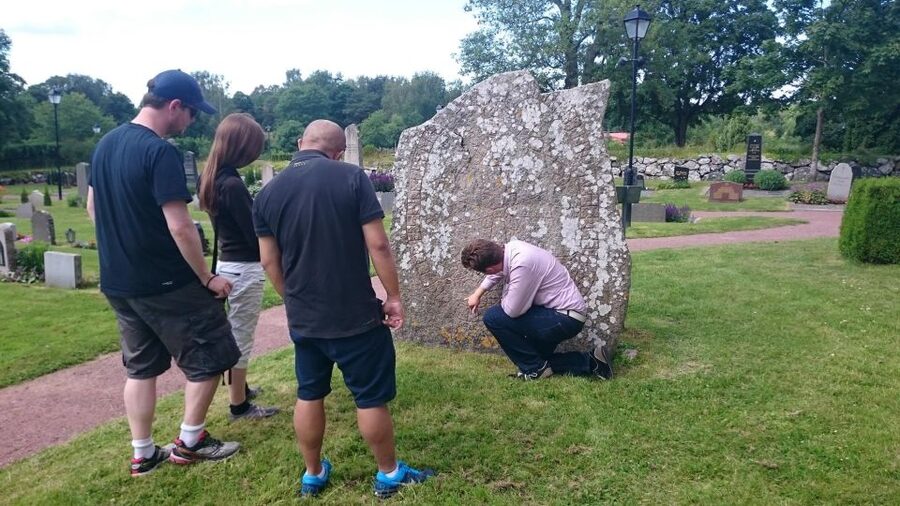
Stockholm gives you museums, cafés, and polished city streets. This tour gives you a look at the older Sweden outside the capital, where history is marked by stones, fields, roads, and church ruins rather than grand monuments.
I especially like the way the day connects several small sites. A rune stone alone can be hard to understand. A grave field alone may look like a grassy patch. With a guide linking the burial customs, roads, political power, and settlement patterns, the pieces begin to make sense.
The excursion lasts about six hours and uses a minivan, which is a practical format for sites spread across Stockholm County. You are not spending the whole day on a large coach or trying to reach remote places by public transport. Hotel, harbor, and accommodation pickup is included, as is drop-off at your hotel or another point in central Stockholm.
The price is about $193 per person. That is not a budget outing, but it includes transportation for the full route and a live English-speaking guide. The value depends on your interests. If you want only a quick look at one rune stone, it is expensive. If you want several sites explained in one day without arranging a rental car or researching rural bus connections, the price is easier to justify.
More Viking history days from Stockholm:
- Entrance ticket to The Viking Museum
★ 4.0 · 301 reviews - Viking History, Runes & Countryside 9h Tour to Sigtuna & Uppsala
★ 4.5 · 283 reviews - Viking History and Swedish Countryside Tour to Sigtuna & Uppsala
★ 4.5 · 162 reviews
Broby bro and the story of Estrid
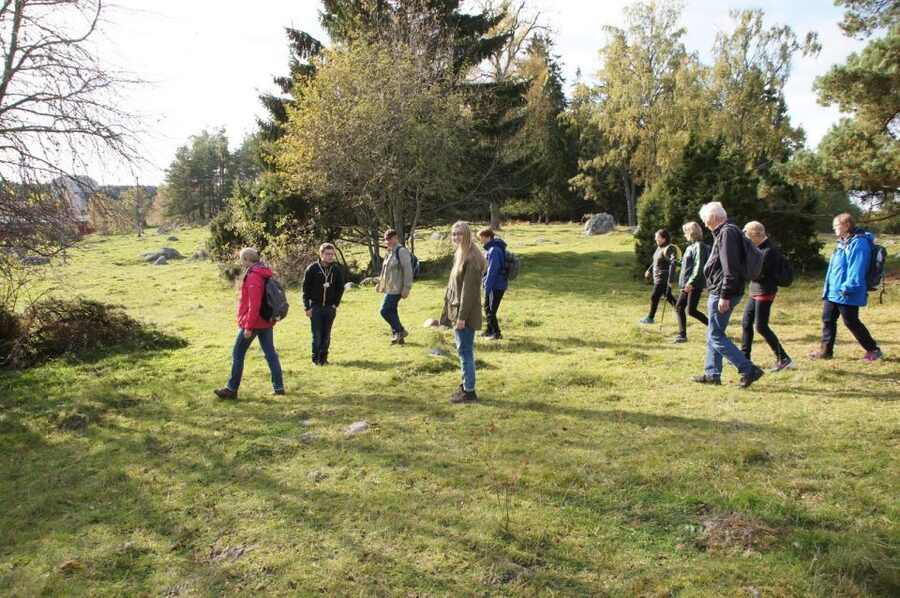
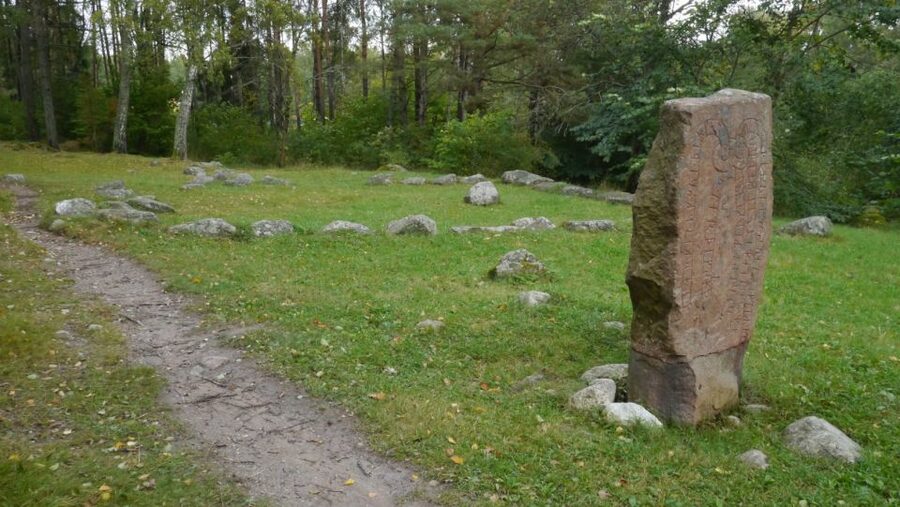
The first major stop is Broby bro, a grave field used for more than 1,000 years. You walk through an area where pagan burial traditions and later Christian practices can be considered side by side.
This is not a polished attraction with a large indoor exhibit. The power of the stop comes from its setting and the explanation provided on site. Your guide discusses how a Viking Age burial could be arranged, what grave sites reveal about belief, and how changing religious customs affected burial.
The story of Estrid gives the place a personal focus. A skeleton found in 1995 belonged to a woman who was about 60 years old. Researchers identified her as Estrid, and the site allows your guide to move from broad statements about Viking society to the life of one individual.
That shift matters. It is easy to picture Vikings only as warriors, raiders, or characters from television. A grave field can show family ties, age, status, religious change, and local customs. Estrid’s story helps you consider the people who lived ordinary lives within that world.
Expect some walking over lightly rugged ground. Good shoes are more useful here than fashionable city footwear. If the weather is wet, cold, or icy, the condition of the path may affect how long you want to linger.
Jarlabanki’s 150-meter causeway
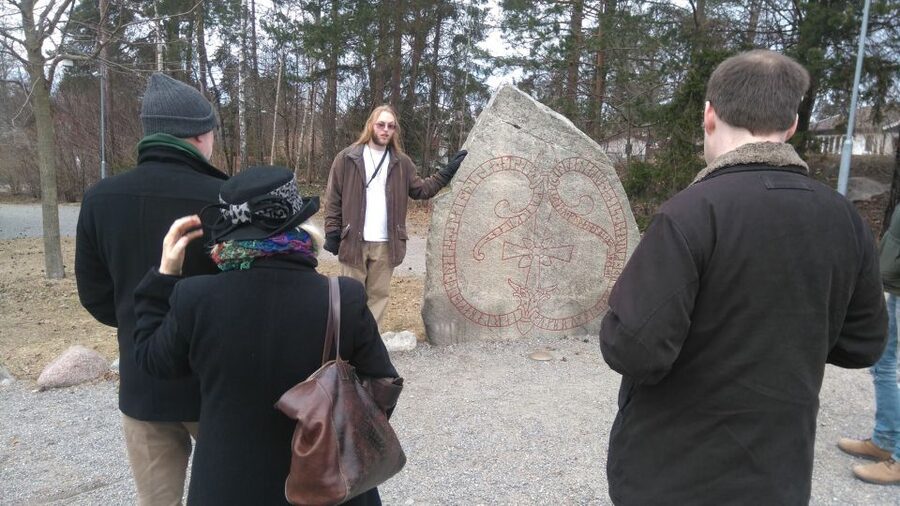
The next stop focuses on Jarlabanki’s Causeway, an 11th-century bridge built by Earl Jarlabanki. The remains stretch about 150 meters, giving you a clear sense of how roads and crossings helped connect communities.
The guide presents Jarlabanki as a powerful and self-important figure who wanted people to notice his influence. That detail makes the site easier to remember. The causeway was not just a useful crossing. It also communicated authority, wealth, and control over movement.
I like this stop because it makes Viking infrastructure feel real. Roads and bridges rarely receive the same attention as weapons or ships, yet they tell you how people traded, traveled, governed, and showed status. The causeway also gives you a better idea of the physical work required to connect settlements in the 11th century.
The site is mainly about seeing the remains and listening to the guide. It is not a museum visit with a long list of artifacts. If you prefer active attractions, you may find the stop quiet. If you enjoy standing in the actual place where a road once served a community, it is a worthwhile pause.
Bring your camera, but pay attention to where the guide stands. At least one visitor found it difficult to photograph the runes or buildings while the guide was speaking in front of them. You can politely ask for a clear view or take pictures after the explanation.
The Viking council site
The tour then visits a preserved Viking council site in its original location. This is one of the most useful stops for understanding how Viking communities were organized.
Your guide explains the council as a place where people could meet, debate, and make decisions. The point is not to present Viking society as a simple world ruled by one violent chief. Power, law, reputation, and local relationships all mattered.
This stop works best when you ask questions. Guides on this tour have been praised for answering questions about both Viking culture and Sweden more generally. Ask about who could take part in decisions, how disputes were handled, or how local rulers built support. The answers can add more value than simply looking at the site.
Because the council area is preserved outdoors, the visit depends on weather. Wear layers, especially in colder months. Stockholm winters can hover around 0 C, or 32 F, and wind or dampness may make an exposed site feel colder than the city.
A few more Stockholm half-days to weigh up
- Arlanda Airport Bus Transfer Departure
★ 3.5 · 497 reviews - Arlanda Airport Bus Transfer Arrival
★ 3.5 · 490 reviews - Skavsta Airport Bus Transfer
★ 3.5 · 106 reviews - Stockholm- Private transfer to/from Arlanda Airport and city
★ 4.5 · 39 reviews
Sigtuna, Sweden’s oldest existing town
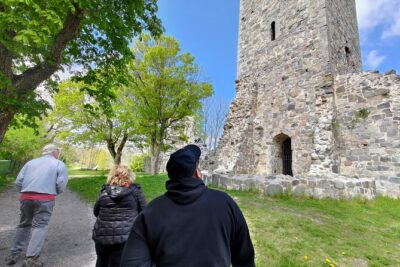
Sigtuna is the main attraction and the most relaxed part of the route. The town has around 8,000 inhabitants and is described as Sweden’s oldest still-existing town. After several rural historical sites, Sigtuna gives you streets, buildings, water views, and a chance to stretch your legs.
The guided walk lasts about 45 minutes. You can expect views toward Sigtuna Bay, old wooden houses along the main streets, and the remains of a 12th-century Romanesque church. The town also has the Sigtuna Museum, though the exact amount of museum time depends on the day’s schedule.
I would pay attention to the contrast between the different parts of Sigtuna. The wooden buildings create a pleasing 18th-century town setting, while the church ruins point to an older Christian past. The bay adds a quiet natural edge, and one guide adapted the route during poor weather to make the day more comfortable.
Sigtuna is also the practical lunch stop. Lunch is not included in the tour price, but the available restaurant has vegetarian dishes. One guide recommended a good place to eat, which can save you time in a small town where your break is limited.
Do not treat Sigtuna as only a lunch stop. If you have a few free minutes, walk toward the lake or bay rather than staying only on the main street. The town is tourist-friendly, but the water gives it a calmer feel and helps explain why this was a useful place for settlement and communication.
What the guide adds to the day
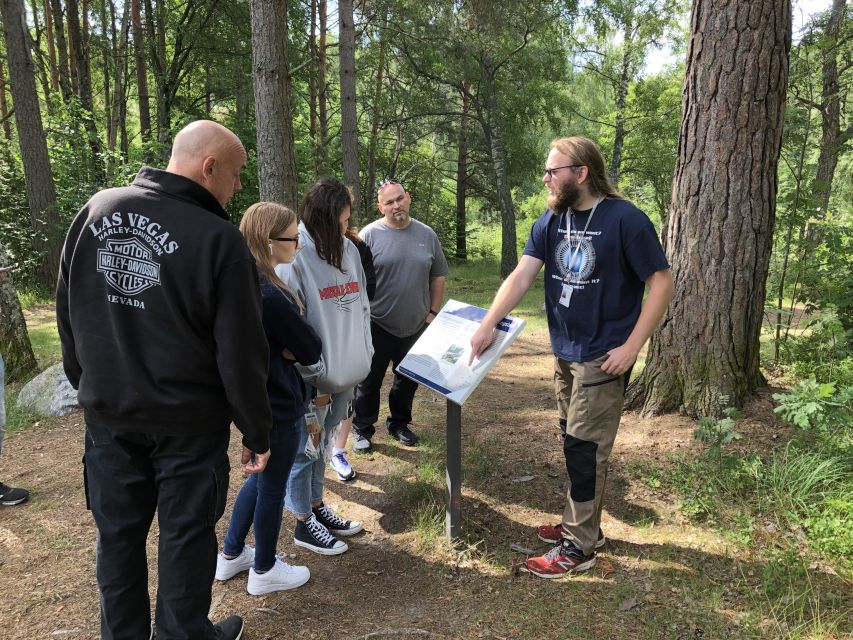
The guide is the most important variable on a history tour. The sites are genuine, but many of them are modest. Without context, a causeway can look like a raised strip of ground and a rune stone can be difficult to interpret.
The guide team includes people such as Olof, Gustav, Angelina, Calle, Bianca, Gabriel, Eric, Charlotte, Nadia, Quentin, Jonathan, and Lena-Marie. Your guide will vary, but the strongest part of the experience is the chance to ask questions throughout the day.
Gabriel has been described as funny and able to leave plenty of time for questions. Eric has connected Viking history with Sweden’s later and modern development. Charlotte has made the subject approachable and personal, while Quentin has adjusted the schedule when weather caused trouble. These details matter because the tour covers several outdoor sites and benefits from a flexible, human approach.
You should expect a teaching-focused excursion rather than a costume show or staged Viking performance. The emphasis is on rune stones, graves, roads, councils, and settlement. That makes the tour a good fit if you want history explained in plain language and connected to actual places.
Transport, timing, and the walking level
Pickup is available from a centrally located hotel, harbor, or accommodation, as well as Stockholm Central Station. Pickup can begin 0 to 60 minutes before the stated start time, so do not schedule a tight appointment immediately beforehand.
Traffic can affect both pickup and return, especially during morning rush hour. The stated duration is six hours, but departure and arrival times are approximate. I would avoid booking a train, flight, or fixed reservation too close to the expected return.
The walking is not described as heavy, but some terrain is lightly rugged. Comfortable walking shoes are essential. This is not the right outing for anyone hoping to remain seated from hotel to hotel, though it does not require a major hike either.
The age guidance is also specific: the tour is not suitable for children under six or adults over 90. The information provided does not give a group size, so you should check the available departure details if the size of your party or vehicle space matters.
Weather and what to pack
Swedish weather can change the feel of the day quickly. Much of the experience happens outdoors, including the grave field, causeway, and council site. Wear layers and choose clothing that works for the forecast rather than dressing only for Stockholm’s city center.
Good walking shoes are the one item I would not skip. You may encounter grass, uneven ground, and lightly rugged paths. In winter, bring warm clothing and allow extra patience for road delays.
A camera is useful at Sigtuna, the causeway, and the countryside stops. Still, listen first and photograph afterward when possible. The guide’s explanation is the part you cannot recreate from a picture.
Who should book this experience
I would recommend this tour to anyone staying in Stockholm who wants a historical day outside the city without renting a car. It is especially suitable for adults and older children who enjoy stories about burial customs, early government, roads, and changing religious practice.
It also works well for first-time visitors who want a broad introduction to Sweden. The guide can connect Viking history with Swedish culture and later developments, so you are not limited to isolated facts about raiding and ships.
I would think twice if your priority is a long free period in Sigtuna. The town walk is about 45 minutes, and the day gives equal weight to several rural sites. You should also reconsider if you dislike outdoor stops in cold or wet weather, or if you want lunch included.
The tour is conducted in English. Free cancellation is available up to 24 hours before departure, and you can reserve now and pay later, which gives you some flexibility while planning a Stockholm stay.
Should you book the Viking Culture Guided Tour?
Book it if you want real historical places with a guide who can explain what you are seeing. The grave field at Broby bro, Jarlabanki’s causeway, and the council site are more meaningful together than separately, and Sigtuna provides the most attractive town stop.
The $193 cost is reasonable for a six-hour private-feeling route by minivan with pickup and drop-off, but it is not a low-cost sightseeing trip. Bring your own lunch money, wear proper shoes, and leave room in your schedule for traffic.
If you want a practical introduction to Viking-era Sweden and a look at the countryside beyond Stockholm, I think this is a strong choice. If you mainly want museums, shopping, or a leisurely town afternoon, stay in Stockholm and visit Sigtuna by another plan.
FAQ
How long is the Viking Culture Guided Tour?
The tour lasts about six hours. Starting times vary, so check availability when booking.
Where does pickup take place?
Pickup is available from centrally located hotels, cruise or harbor locations, other accommodations, and Stockholm Central Station.
Is transportation included?
Yes. Transportation during the activity is included, with travel by minivan and return drop-off at your hotel or another location in central Stockholm.
Is lunch included?
No. Lunch is not included in the price. The restaurant has vegetarian dishes, and you should bring money to buy your own meal.
What language is the tour conducted in?
The live tour guide speaks English.
What should I wear?
Wear comfortable walking shoes and clothing suited to the weather. Some stops involve lightly rugged ground, and Stockholm winters can be close to 0 C, or 32 F.
How much walking is involved?
There is not a large amount of walking, but you will walk around outdoor historical sites and over some lightly rugged terrain.
Is Sigtuna included?
Yes. The tour includes a guided walk of about 45 minutes in Sigtuna, with views of Sigtuna Bay, 18th-century wooden houses, and 12th-century church ruins.
Can I cancel the tour?
You can cancel up to 24 hours before the tour for a full refund. Reserve now and pay later is also available.
Just added around Stockholm
- World War II Stockholm Old Town Walking Tour and Army Museum★ 4.6 · 4 reviews
- Stockholm: Archipelago Guided Boat & Walking Tour of Vaxholm★ 3.1 · 23 reviews
- Vaxholm & Stockholm Archipelago: Guided Excursion, Day Trip★ 4.8 · 41 reviews
- Stockholm: Underground Metro Art Ride with a Local Guide★ 4.6 · 39 reviews
- Airport Transfer: Airport ARN to Stockholm by Business Car★ 4.0 · 3 reviews
- Arlanda Express Train Airport and Stockholm City Transfer★ 5.0 · 3 reviews
- Minivan Arrival Transfer Stockholm Airport ARN to Stockholm City★ 4.5 · 8 reviews
- Traditional Persian Cooking Class in Stockholm with a Local★ 5.0 · 20 reviews
Viking History Tours, compared.

Viking History, Runes & Countryside 9h Tour to Sigtuna & Uppsala
Read our review →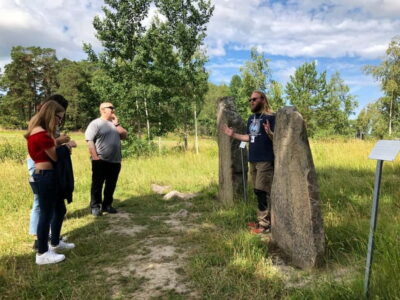
Stockholm Viking History Full Day Tour to Sigtuna + Uppsala
Read our review →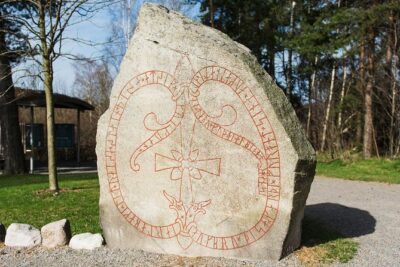
Viking History and Swedish Countryside Tour to Sigtuna & Uppsala
Read our review →
Viking History Small Group Tour from Stockholm: Half Day Including Sigtuna
Read our review →
Full Day Viking Tour with Fika Swedish Coffee Break
Read our review →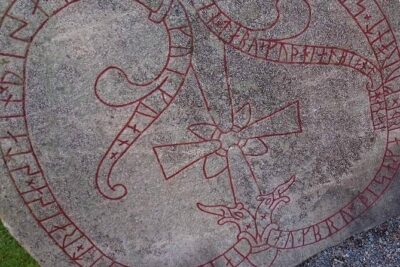
Private Full Day Viking History Tour from Stockholm Including Sigtuna and Uppsala
Read our review →Browse the lists this tour appears in