
Reviewed · OLD TOWN WALKING TOURS
World War II Stockholm Old Town Walking Tour and Army Museum
Sweden’s wartime story is full of uncomfortable choices. This private Stockholm tour explains how neutrality protected the country, helped German trade, shaped domestic politics, and still left room for major humanitarian work. I like the focus on Raoul Wallenberg’s rescue of Jewish people and the way the walk connects politics to real places, including the Royal Palace, Parliament House, and Storkyrkan.
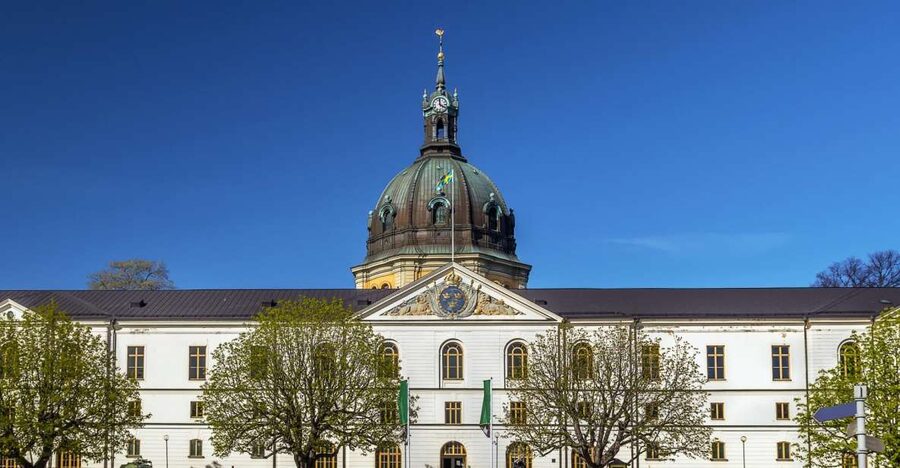
I also like having two sensible versions: the two-hour Old Town walk keeps the subject focused, while the three-hour option adds the Army Museum, with its 500 years of Swedish military history. The main consideration is price: at $205 per person, this makes the most sense for history-minded visitors who want a private guide rather than a low-cost general city walk.
Key points to know before booking
- Swedish neutrality gets a full, balanced treatment: Learn how Sweden’s official position changed as the war unfolded and how it affected trade and politics.
- Raoul Wallenberg is central to the story: Follow the Remembrance Path in Berzelii Park and hear about his effort to save tens of thousands of Jewish people.
- The walk uses important Stockholm landmarks: The route includes views of the Royal Palace, Storkyrkan, Parliament House, war monuments, and Holocaust memorials.
- The three-hour option adds the Army Museum: See military uniforms, weapons, trophies, documents, and exhibitions about soldiers and civilian life.
- It is a private, language-flexible experience: Guides are available in English, Swedish, German, Italian, French, Spanish, and Russian.
- The meeting point is easy to identify: Find the guide in front of the Lars Johan Hierta Monument at Riddarhustorget 9.
Sweden’s wartime choices begin in Gamla Stan

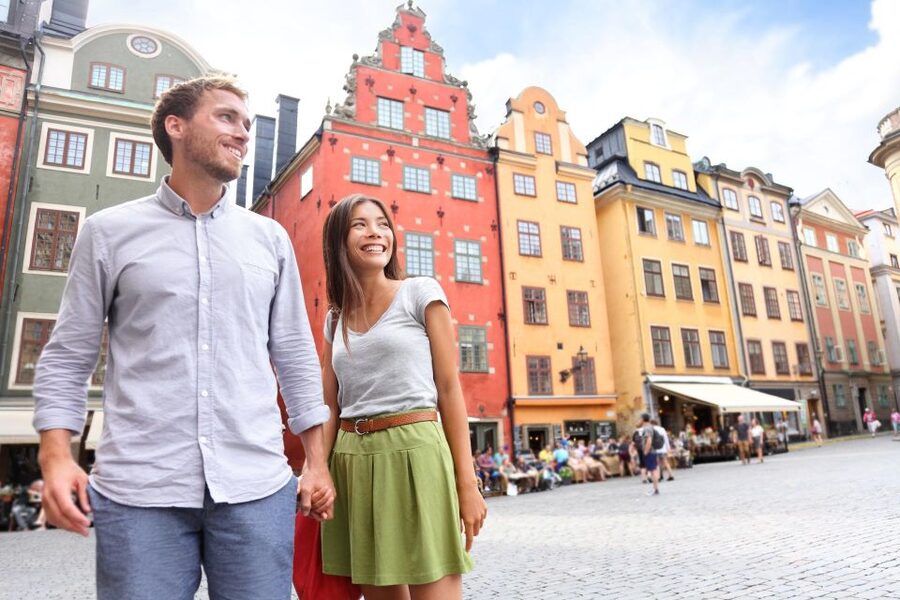
The tour starts at the Lars Johan Hierta Monument, at Riddarhustorget 9 in Stockholm’s Old Town. Hierta was a Swedish journalist linked with the country’s free press, so the meeting point gives the tour an apt first theme: how a nation handles public debate when Europe is at war.
From here, your guide sets up the political background behind Swedish neutrality. This is not a simple tale of staying out of the fighting. Sweden’s position affected foreign trade, domestic politics, diplomacy, and relations with both Germany and the Allied powers.
You will learn how neutrality shifted during the conflict. That is important because the word can sound cleaner than the choices behind it. Sweden had to protect its own security while dealing with pressure from powerful neighbors and wartime demands on trade.
I appreciate this approach because it gives you a way to read Stockholm’s streets. The guide is not just pointing out old buildings. You are being shown how government decisions, public institutions, and international events touched the city around you.
More Walking Tours in Stockholm
- Stockholm: Ghost Walk and Historical Tour
★ 4.7 · 2,206 reviews - Walking Tour of Stockholm Old Town
★ 5.0 · 1,175 reviews - The Original Stockholm Ghost Walk and Historical Tour – Gamla Stan
★ 4.5 · 1,165 reviews
The Royal Palace, Storkyrkan, and Parliament House
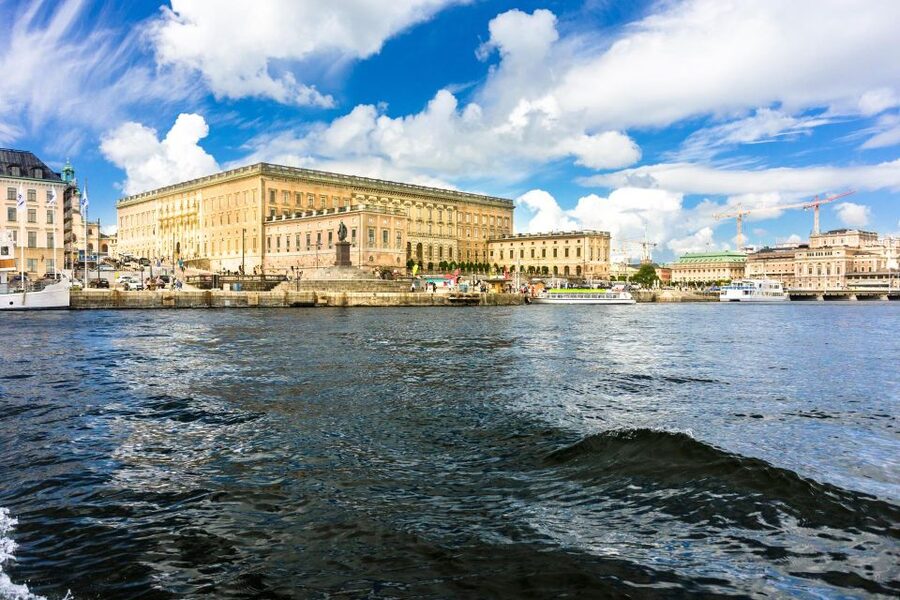
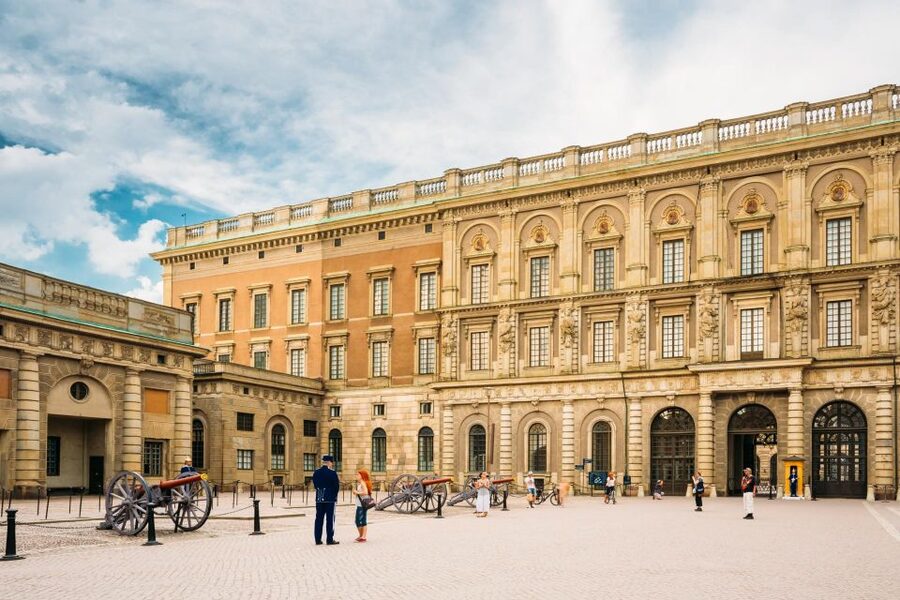
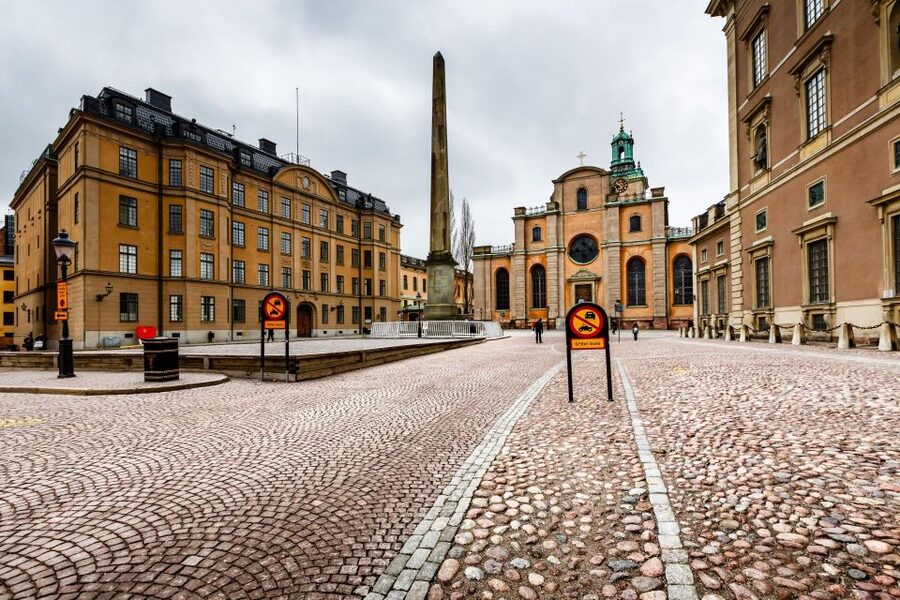
The route brings the wartime story into contact with some of Gamla Stan’s best-known buildings. The Royal Palace offers a setting for discussing the Swedish royal family and its response to the war. Parliament House helps explain the government’s role, while Storkyrkan opens the door to the response of the church.
These stops matter because the tour looks at several parts of Swedish society, not only military policy. You hear how the royal family, government, and church responded as the conflict developed. The result is a wider picture of national life during the war.
The churches and grand civic buildings also help keep the tour grounded. You are not sitting in a classroom hearing a list of dates. You are standing among the institutions that shaped public decisions, then moving through the same Old Town streets where those decisions had consequences.
The tour also touches on the Nobel Prize awards and how the war influenced this prestigious Swedish institution. That is a useful detail for anyone who knows Stockholm mainly through Nobel ceremonies but has not considered how wartime conditions affected them.
Because the tour is private, you can ask your guide to clarify the parts that interest you most. The supplied details do not name individual guides, but the experience provides a five-star licensed guide who speaks your selected language. Available languages are English, Swedish, German, Italian, French, Spanish, and Russian.
Berzelii Park and the Remembrance Path
One of the strongest parts of the route is the Remembrance Path in Berzelii Park. Here, the tour turns from national policy to personal courage and humanitarian action.
Your guide tells the story of Raoul Wallenberg and his effort to rescue tens of thousands of Jewish people from the Holocaust. The subject is handled through monuments and remembrance sites, which gives the story a physical place in Stockholm rather than treating it as a distant wartime episode.
You also hear about the Jewish refugees escaping the German occupation of Denmark and Norway. This adds another important question: were Jewish refugees welcome in Sweden, and how did Swedish society respond? The tour examines that issue alongside the country’s official neutrality.
I like this part because it shows that a country’s wartime record cannot be judged by one label alone. Sweden’s neutrality helped German trade, yet Swedish people and institutions also took part in humanitarian efforts. You are encouraged to consider both facts at the same time.
The tour includes monuments dedicated to World War II and the Holocaust. These stops are likely to carry more emotional weight than the grand civic buildings, so allow yourself time to listen rather than treating them as quick photo stops.
Soviet bombings and the cost of neutrality
Sweden was not untouched by the war. The tour covers Soviet bombings of Sweden, along with the effects of the conflict on domestic politics and foreign trade.
That detail helps correct a common assumption. Neutrality did not mean that Sweden sat outside the war in complete safety. The country had to manage military danger, economic pressure, and diplomatic demands while trying to avoid becoming a direct participant.
The guide also explains the broader socio-political climate of Scandinavia. You learn how the war affected Sweden in relation to events in Denmark and Norway, including the humanitarian effort connected with saving people from occupied territory.
The discussion of Operation Save Denmark adds another specific chapter to this regional story. It places Sweden within the wider Scandinavian response instead of treating Swedish neutrality as an isolated national policy.
For you, the value is in the connections. A building in Stockholm may represent government power, a park memorial may represent personal courage, and a discussion of trade may explain why neutrality was so complicated. The tour links these pieces in a way that a standard sightseeing walk usually does not.
More old town walks in Stockholm:
- Stockholm: Old Town Walking Tour with Local Guide
★ 4.7 · 719 reviews - Walking Tour of Stockholm’s Old Town, Gamla Stan
★ 5.0 · 451 reviews - Stockholm: Old Town Historical Walking Tour
★ 4.9 · 344 reviews - Old Town Tour of Stockholm
★ 4.0 · 289 reviews
The three-hour Army Museum extension
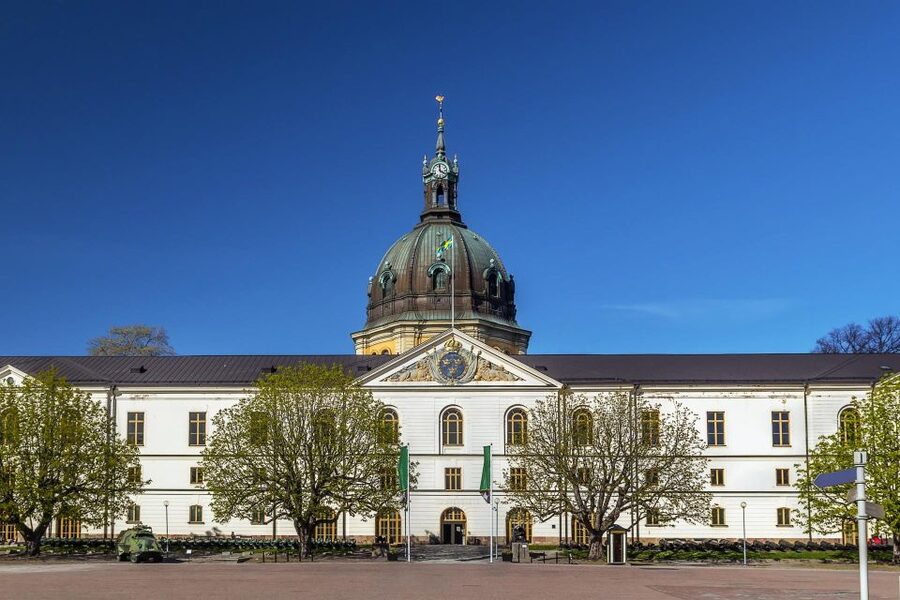
If military history is a major reason you are booking, choose the three-hour version. It includes admission to the Army Museum after the Old Town portion, while the two-hour tour does not include museum tickets.
The museum covers more than 500 years of Swedish wartime and peacetime history. That broad time span gives you context for the country’s military traditions before and after World War II, rather than presenting the conflict as a single isolated chapter.
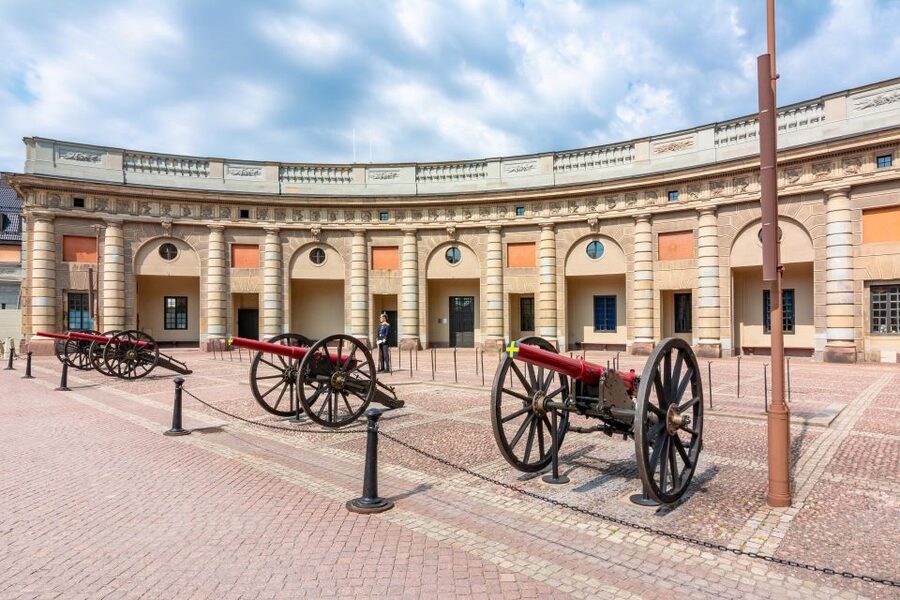
Inside, you can examine historical documents, military uniforms, weapons, and trophies. The displays also explore living conditions for soldiers, their families, and the general population. That last point is especially useful because it moves the story beyond commanders and battle plans.
One exhibition is dedicated to Raoul Wallenberg. After hearing about his rescue work on the walking route, the museum provides another place to consider his role and legacy.
The Army Museum will suit you best if you enjoy objects and displays as much as guided storytelling. The two-hour walk gives you a clear WWII focus in the city. The three-hour option adds material culture and a longer view of Swedish military life.
The tradeoff is time. A three-hour program demands more stamina and leaves less room for an unrelated museum or a leisurely Old Town wander afterward. Still, if you are already planning to visit the Army Museum, combining it with the private walk may make better use of your afternoon.
Two hours or three hours?
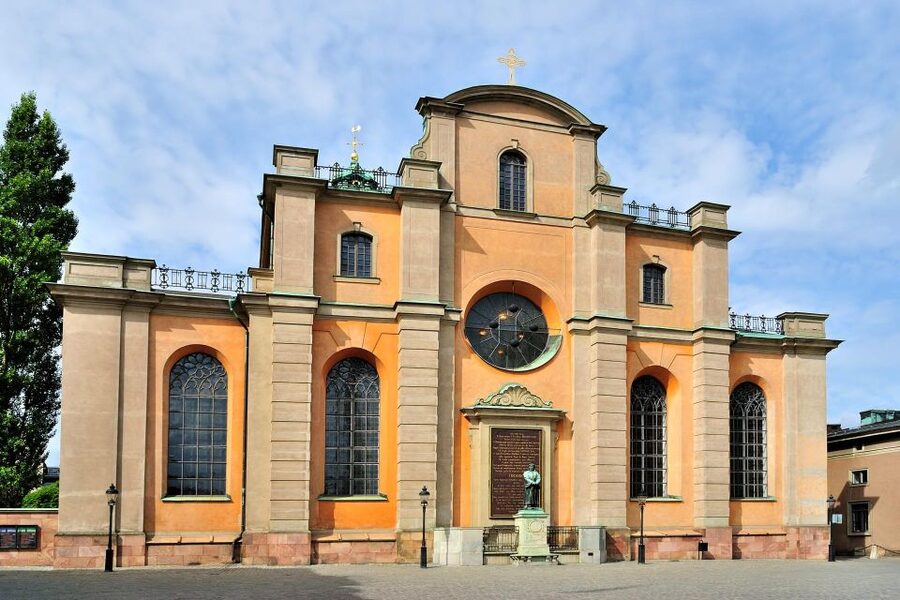
The two-hour tour is the sharper choice if your main interest is Sweden’s role in World War II. It covers Gamla Stan, the political background of neutrality, the royal family, government and church responses, Nobel Prize connections, monuments, the Remembrance Path, and Wallenberg’s rescue work.
It is also the better fit if you are working around a tight Stockholm schedule. You will still receive a serious history lesson, but without adding the museum visit.
The three-hour tour gives you more material and a fuller military setting. Choose it if you want to examine uniforms, weapons, documents, and trophies, or if you want to understand how Swedish soldiers, families, and civilians experienced military life across five centuries.
The difference is not simply one extra hour. The two options offer different kinds of learning. The shorter version is a city walk built around wartime places and public memory. The longer version adds an indoor collection that broadens the story into Swedish military history.
The number of attractions depends on the option you select, so check the exact choice carefully when booking. The Army Museum is included only with the three-hour tour.
Is $205 per person fair value?
At $205 per person, this is an expensive walking tour. You are paying for a private experience, a licensed five-star guide, a specialized WWII subject, and, with the three-hour option, Army Museum admission.
The value is strongest for a small group that would rather ask questions and set the pace than join a large public walk. The guide can explain difficult subjects in your chosen language and focus attention on the issues you care about, such as Swedish trade with Germany, refugee policy, Wallenberg, or Scandinavian politics.
The price becomes harder to justify if you only want a general introduction to Stockholm. Gamla Stan has many free sights, and this tour is not designed as a broad overview of cafés, shopping streets, architecture, and everyday city life. Its purpose is a focused historical investigation.
For a group of one to 25 people, the experience uses one guide. Groups of 26 to 50 require two guides, and so on, which means the total cost can rise when more guides are needed. If you are arranging this for a large party, confirm the final group structure before you commit.
I would see the price as a specialist history expense, not an ordinary sightseeing ticket. If World War II, Holocaust remembrance, Swedish neutrality, and Wallenberg are central to your Stockholm plans, the focused attention may justify it. If they are only minor interests, spend less on a standard Old Town walk and visit sights independently.
Practical details that affect your day
The meeting point is in front of the Lars Johan Hierta Monument at Riddarhustorget 9, 111 28 Stockholm. You should check your email 24 hours before the tour because important meeting information may be sent there.
The activity is wheelchair accessible. It is a walking tour through Gamla Stan with an optional museum visit, so you should still consider your own comfort with two or three hours of movement and standing.
The tour is offered as a private group experience. You can select from English, Swedish, German, Italian, French, Spanish, or Russian, depending on availability at the time you book.
Starting times vary, so you need to check availability for your date. The duration is listed as two to three hours, matching the two-hour Old Town option and the three-hour version with the Army Museum.
You can cancel up to 24 hours in advance for a full refund. The reserve-now, pay-later option also helps if your Stockholm schedule is still changing.
Who will get the most from this tour?
I would recommend it first to history buffs who want more than famous buildings. The tour is also a good match for visitors who have read about Wallenberg, want to understand Swedish neutrality, or are curious about how Denmark and Norway shaped Sweden’s wartime choices.
It works well for families with older children and teenagers who can follow a serious discussion about politics, refugees, and moral decisions. The private format lets you ask questions without holding up a public group.
The two-hour version is best for a focused city introduction. The three-hour version is better for anyone who wants military objects and long-term Swedish context. If your interest is mainly architecture or casual sightseeing, this is probably too specialized.
You should also prepare for difficult material. The Holocaust, refugee flight, wartime pressure, bombings, and political compromise are central subjects. The route is educational, but it is not light entertainment.
Should you book the Stockholm WWII tour?
Book it if you want to understand the choices behind Sweden’s neutrality, not just memorize the fact that Sweden was neutral. The tour connects trade, politics, diplomacy, royal and church responses, Soviet bombings, refugee policy, and Wallenberg’s rescue work to actual Stockholm places.
Choose the two-hour walk for the clearest value and a compact Old Town experience. Choose three hours if the Army Museum’s uniforms, weapons, documents, trophies, and Wallenberg exhibition sound worth the extra time.
At $205 per person, it is not a budget activity. But for a private group with a serious interest in World War II, the price buys a focused guide, flexible discussion, and access to a side of Stockholm that ordinary sightseeing rarely explains.
FAQ
Where does the tour meet?
Meet your guide in front of the Lars Johan Hierta Monument at Riddarhustorget 9, 111 28 Stockholm.
How long does the experience last?
You can choose a two-hour walking tour or a three-hour option that includes the Army Museum.
Is the Army Museum included in the two-hour tour?
No. Army Museum admission is included only with the three-hour tour.
What places will I see on the walking route?
The route includes Gamla Stan, the Royal Palace, Storkyrkan, Parliament House, war monuments, Holocaust memorials, and the Remembrance Path in Berzelii Park.
What does the tour explain about Sweden in World War II?
You will learn about Swedish neutrality, domestic politics, foreign trade, Soviet bombings, the socio-political climate of Scandinavia, Operation Save Denmark, and the response to Jewish refugees.
Is Raoul Wallenberg part of the tour?
Yes. The guide explains Wallenberg’s effort to save tens of thousands of Jewish people from the Holocaust. The Army Museum’s three-hour option also includes an exhibition dedicated to him.
Which languages are available?
The tour is available in German, Italian, French, Spanish, Russian, English, and Swedish.
Is the tour private and wheelchair accessible?
Yes. It is a private group experience and is listed as wheelchair accessible.
What is the cancellation policy?
You can cancel up to 24 hours before the tour for a full refund. You can also reserve now and pay later.
More Museums and Galleries in Stockholm
- Stockholm: Skansen Open-Air Museum Admission Ticket
★ 4.5 · 3,427 reviews - Stockholm Pass: Save up to 50% – Includes Vasa Museum Ticket
★ 4.1 · 2,392 reviews - Stockholm: Nobel Prize Museum and Exhibition Entry Ticket
★ 4.3 · 994 reviews - Stockholm: Fotografiska Museum Entrance Ticket
★ 4.5 · 702 reviews
Just added around Stockholm
- Stockholm: Archipelago Guided Boat & Walking Tour of Vaxholm★ 3.1 · 23 reviews
- Vaxholm & Stockholm Archipelago: Guided Excursion, Day Trip★ 4.8 · 41 reviews
- Stockholm: Underground Metro Art Ride with a Local Guide★ 4.6 · 39 reviews
- Minivan Arrival Transfer Stockholm Airport ARN to Stockholm City★ 4.5 · 8 reviews
- Airport Transfer: Airport ARN to Stockholm by Business Car★ 4.0 · 3 reviews
- Arlanda Express Train Airport and Stockholm City Transfer★ 5.0 · 3 reviews
- Traditional Persian Cooking Class in Stockholm with a Local★ 5.0 · 20 reviews
- Stockholm Top attractions all-inclusive Gran Tour Winter Edition★ 5.0 · 6 reviews
Old Town Walking Tours, compared.
The Original Stockholm Ghost Walk and Historical Tour – Gamla Stan
Read our review →
Walking Tour of Stockholm’s Old Town, Gamla Stan
Read our review →
Old Town Guided Walking Tour (English / Deutsch)
Read our review →
Secrets of Gamla Stan Guided Tour w/ Fika Option
Read our review →Browse the lists this tour appears in