
Reviewed · GUIDED
Stockholm: Underground Metro Art Ride with a Local Guide
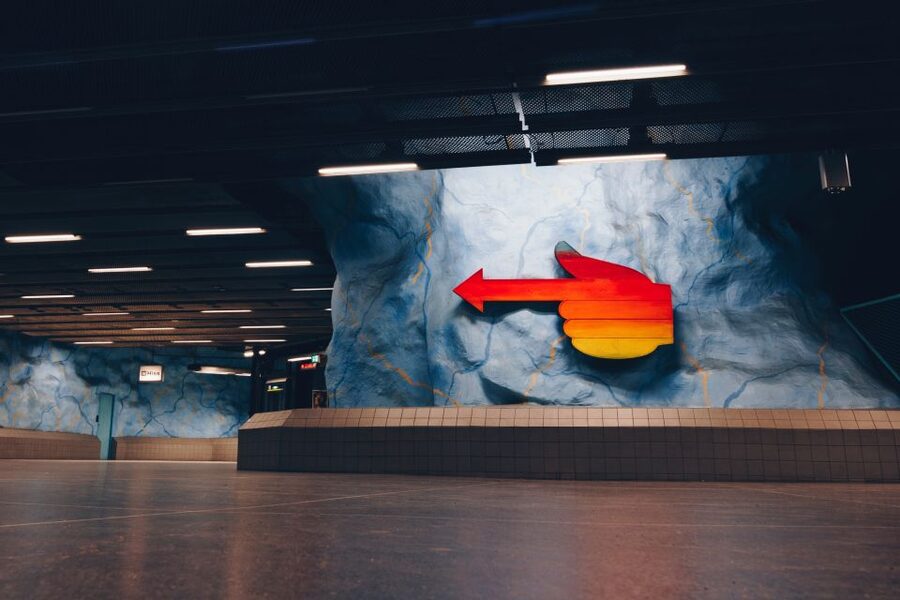
Stockholm’s subway is far more than a way to get across town. With art in more than 90 of its 110 stations, it forms the world’s longest art gallery, and this tour helps you notice the paintings, sculptures, mosaics, and old columns you could easily miss on your own. I especially like the way it connects Swedish art from the 1950s to today with everyday city life.
I also like two practical touches: your subway ticket is included, and the group is limited to eight people. Guides such as Agneta and Rikta have been praised for being warm, flexible, and clear, with Agneta even spending extra time showing another station. The main drawback is the $128 price for 1.5 to 2 hours, which feels high if you only want a quick look at a few stations.
Key points to know
- More than 90 art-filled stations: Your guide selects the most interesting stops rather than trying to cover the entire network.
- A personal local perspective: You can ask for tips on Stockholm’s cafes, restaurants, bars, and lesser-known places.
- Small groups of up to eight: The format allows for questions and an itinerary adjusted to your pace.
- Art across several decades: You’ll see how public art changed from the 1950s through the 2000s.
- A ticket is included: You do not need to buy a separate subway pass for the tour.
- Comfortable shoes matter: You will walk through stations, platforms, and connecting areas, and the tour is not suitable for people with mobility impairments.
Why Stockholm’s subway is worth a tour
The best part of this experience is its setting. You do not enter a museum with quiet galleries and labels beside every work. You move through a working public transport system, surrounded by commuters, platforms, escalators, signs, and trains.
That setting changes how you see the art. A painted ceiling or rough rock wall is not separated from city life. It is part of the daily route people take to work, school, shops, and home. The result feels less formal than a standard museum visit, but it can be more memorable.
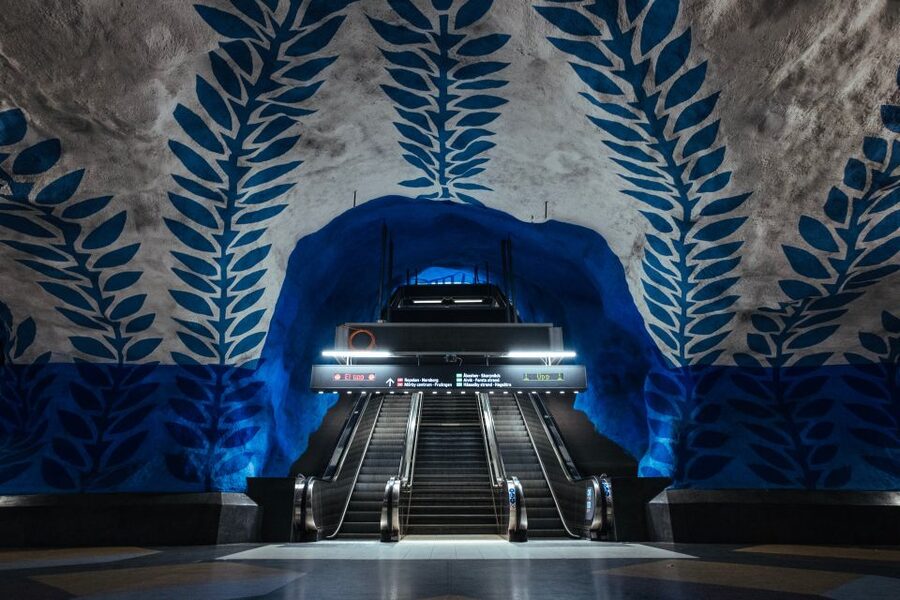
More than 150 artists have contributed work to Stockholm’s subway system since the 1950s. The art includes paintings, mosaics, sculptures, reliefs, and temporary installations. You may also see archaeological details, including ancient columns, that add another layer to the stations.
You could visit several stations yourself, but a local guide gives the experience a clear purpose. Instead of simply photographing colorful walls, you learn what to look for and how the art reflects changes in Swedish culture and public design.
A few more Stockholm half-days to weigh up
- Stockholm: City Archipelago Sightseeing Cruise with Guide
★ 4.3 · 10,798 reviews - Stockholm: Skansen Open-Air Museum Admission Ticket
★ 4.5 · 3,427 reviews - Stockholm: Archipelago Boat Tour
★ 4.4 · 3,110 reviews
Meeting by T-Centralen and getting started
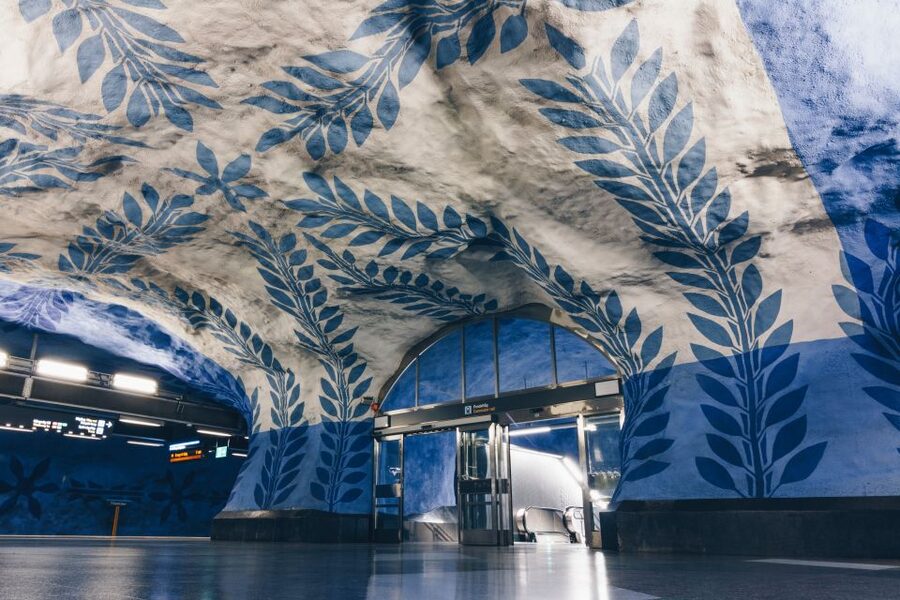
The meeting point is beside T-Centralen metro station, in front of the Nils Ericson statue. T-Centralen is a sensible starting place because it is one of Stockholm’s central transport points and puts you directly into the subject of the tour.
Bring a charged smartphone, though the supplied information does not state that you must use it for tickets or an audio guide. Comfortable shoes are more important. The tour lasts between 1.5 and 2 hours, and even a short station visit can involve walking between platforms, corridors, stairs, and connecting areas.
Your subway ticket is included, so you do not need to work out the fare before meeting the guide. That saves a small amount of effort, though the bigger benefit is staying with the group instead of stopping to sort out transport as you go.
The guide speaks English or Swedish. Private tours and small-group options are available, with the standard small group limited to eight people. That number is useful in a subway setting. You can usually hear the guide more easily, ask questions without holding up a large crowd, and keep a reasonable pace through the stations.
Following Swedish art from the 1950s onward
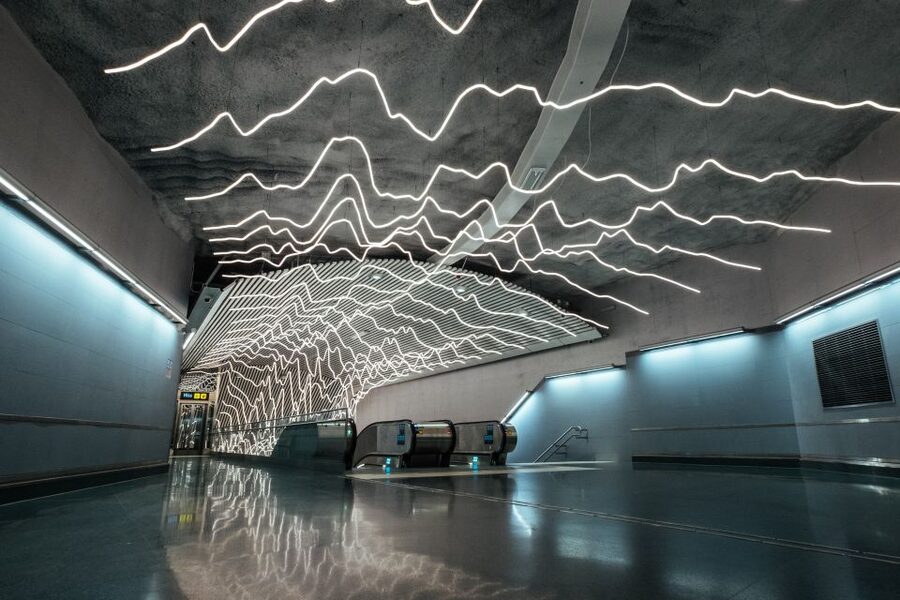
The tour presents the subway as a record of Swedish public art over several decades. You will not see just one artistic style repeated from station to station. The works cover the period from the 1950s through the 2000s, giving you a broad look at how ideas about public space changed.
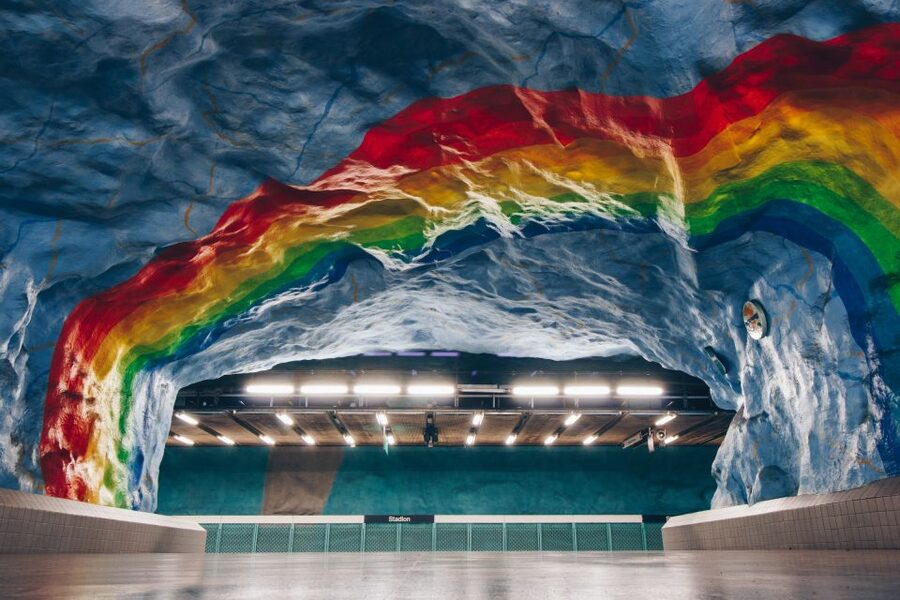
Your guide may point out how a station uses color, form, raw rock, sculpture, or patterns to create a distinct mood. The key value is not simply seeing something attractive. You gain a way to compare different periods and understand why the subway became such an important place for art.
Paintings may cover walls or ceilings. Mosaics can reward a closer look because their detail is easy to miss while you are focused on catching a train. Sculptures and reliefs add shape and texture, while changing installations remind you that the art program is not frozen in one era.
The exact stops are not fixed in the information provided, and that is useful rather than worrying. The route can change according to weather, the group’s interests, and walking speed. You are not promised a rigid checklist of stations, but you also are not left to wander without direction.
What each type of stop adds
At a painted station, I would pay attention to scale first. Public art often works differently when it surrounds you rather than sitting in a frame. A guide can help you notice details you might overlook while moving through the station.
Mosaic stations call for patience. From a distance, a mosaic may read as a large pattern or block of color. Up close, the small pieces and changes in texture become more important. You may find that these are among the easiest works to miss without someone directing your attention.
Sculptures and reliefs change the experience again. They project into the public space, so you see them from different angles as you walk past. They also make the subway feel less like a decorated tunnel and more like a series of public rooms.
Some stations contain archaeological features, including ancient columns. These details link the underground transport system with a much older past. The tour does not present the subway only as a modern art project. It also points to physical traces of history beneath the city.
Temporary or changing installations bring a different quality. They mean the exact experience can vary, and a particular work may not be present forever. If you have strong interest in one specific station or artist, ask about the current route before booking.
Same city, a completely different kind of day:
- Stockholm: Highlights Boat Tour
★ 4.3 · 2,542 reviews - Stockholm Pass: Save up to 50% – Includes Vasa Museum Ticket
★ 4.1 · 2,392 reviews - Stockholm: Ghost Walk and Historical Tour
★ 4.7 · 2,206 reviews - Walking Tour of Stockholm Old Town
★ 5.0 · 1,175 reviews
A local guide makes the difference
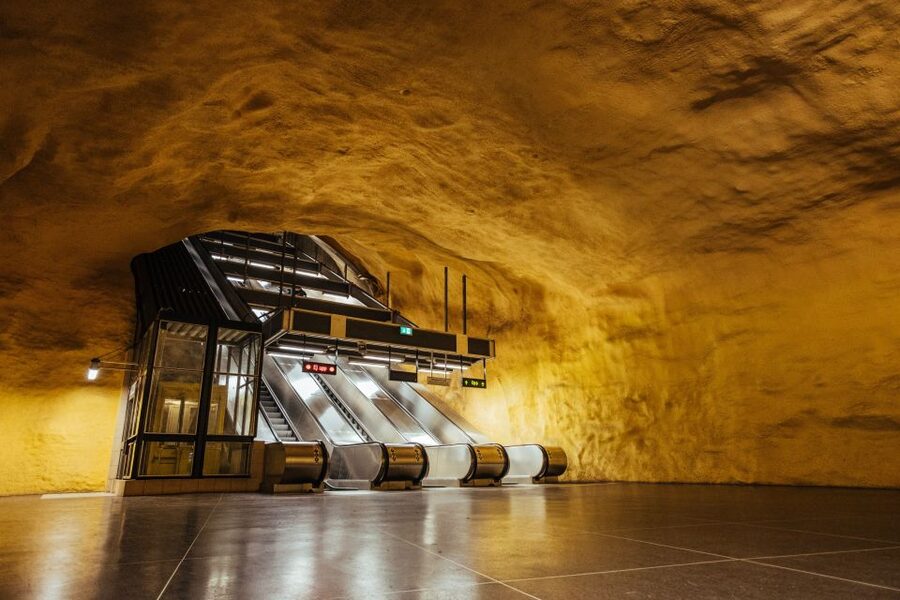
The strongest part of this tour is the human element. A subway map can show you where to go, but it cannot easily explain why one station matters or direct your eye to a small detail on a wall.
Agneta has been singled out for being informative, kind, and generous with her time. She reportedly met a group in its hotel lobby and stayed beyond the planned period to show an additional station. That suggests a flexible style, though you should not assume every guide will offer the same extra time or pickup.
Rikta, with the spelling noted as uncertain in the supplied information, was praised for a professional and accommodating approach. If you are assigned either guide, you can expect the possibility of a personal exchange rather than a lecture delivered to a large crowd. Guide assignments can change, so treat these names as examples, not a promise.
The format also lets you ask useful questions. You might want more art context, a slower pace, or advice on what to see after the tour. The itinerary adapts to the group’s interests and walking speed, within the limited tour time.
Local tips beyond the stations
The tour is not limited to art facts. Your guide can also suggest cafes, restaurants, bars, and other places in Stockholm. This is one of the better reasons to choose a local-led experience instead of a self-guided route.
Ask specific questions. If you want a quiet cafe, a casual meal, a drink, or a place near your next stop, say so. General advice is less useful than telling the guide what kind of place fits your day.
The setting makes these tips especially convenient. You are already using Stockholm’s metro, so the guide can help connect the art route with the rest of your plans. The supplied details do not name particular businesses, so you should not book this tour expecting a food tasting or restaurant visit. The value is personal direction, not included dining.
Group size, pace, and practical comfort
A small group of up to eight people is a good match for an underground tour. Stations can be noisy, and a large group would make it harder to stay together or hear explanations. A small group also gives you a better chance to ask about a work that catches your eye.
The route adjusts to walking pace and interests. That flexibility is helpful if you want more time with a favorite station, but it also means the tour may not cover every famous art stop. You are buying guided selection, not a complete survey of all 90-plus art stations.
Weather can affect the stops. The art is underground, but entering and moving between stations may involve outdoor walking. Wear shoes that can handle steady walking, and check the starting time when you book because the activity runs at different times depending on availability.
This is not a suitable choice for people with mobility impairments. The supplied information does not provide details about step-free access, seating, or assistance, so ask the provider directly if you have specific access needs.
Is $128 a fair price?
At $128 per person, this is not a cheap way to use the subway. A normal metro ride costs far less, and you could visit stations independently with a little preparation.
The price becomes easier to justify if you value interpretation, personal attention, and local advice. Your ticket is included, the group is small, and the guide selects works that you might otherwise pass without noticing. A private option may also suit you if you want more control over the pace, though the supplied details do not state its separate price.
For a budget-conscious visitor, the cost is the main concern. One person specifically felt the tour was too expensive, and that criticism is fair for a short activity. I would compare it with the cost of other guided cultural experiences in your Stockholm plans rather than treating it as a simple subway ride.
For an art lover, first-time visitor, or anyone who likes seeing a city through ordinary public spaces, the value is stronger. You are paying for context and access to a local point of view, not merely transport.
Who should book this Stockholm metro tour?
I would recommend it to you if you enjoy public art, city design, and experiences that take place away from standard sightseeing routes. It also works well early in a Stockholm visit because the guide can offer ideas for cafes, restaurants, bars, and other places to explore afterward.
It suits people who prefer a small group and a flexible pace. Families with older children may find the subway setting more engaging than a formal museum, though the activity details do not specify a minimum age or child pricing.
I would hesitate if you dislike walking, want a fixed list of famous stations, or are mainly looking for the least expensive way to see subway art. You may get more value from planning your own metro route, especially if you are happy to research the stations in advance.
The 4.6 rating from 39 ratings reflects a strong overall response, with particular praise for engaging, friendly, professional guides. The consistent lesson is simple: the guide matters greatly. The art is already there, but a good explanation can turn a passing platform into a memorable stop.
Should you book it?
Book this tour if you want Stockholm’s subway to make sense as art, public space, and a record of Swedish culture from the 1950s to the present. The included ticket, eight-person limit, and local food tips add real convenience.
Skip it if $128 feels too high for a short outing or if mobility is a concern. For the right person, the tour offers a smart way to see an unusual side of Stockholm. For everyone else, the subway art remains available for independent exploration.
FAQ
Where does the Stockholm metro art tour meet?
You meet beside T-Centralen metro station, in front of the Nils Ericson statue.
How long does the tour last?
The tour lasts between 1.5 and 2 hours.
Is a subway ticket included?
Yes. Your subway entry ticket is included in the tour price.
What languages does the guide speak?
The live guide speaks English or Swedish.
How large is the group?
The small-group tour can include up to eight people. Private options are also available.
What kind of art will I see?
You may see paintings, mosaics, sculptures, reliefs, changing installations, and archaeological details such as ancient columns.
Does the tour visit every art station in Stockholm?
No specific promise is made to visit every art station. The route selects notable works across the network and can change according to group interests, walking pace, and weather.
What should I bring?
Bring comfortable shoes and a charged smartphone.
Can I cancel for a full refund?
Yes. You can cancel up to 24 hours in advance for a full refund. A reserve-now, pay-later option is also available.
Just added around Stockholm
- World War II Stockholm Old Town Walking Tour and Army Museum★ 4.6 · 4 reviews
- Stockholm: Archipelago Guided Boat & Walking Tour of Vaxholm★ 3.1 · 23 reviews
- Vaxholm & Stockholm Archipelago: Guided Excursion, Day Trip★ 4.8 · 41 reviews
- Minivan Arrival Transfer Stockholm Airport ARN to Stockholm City★ 4.5 · 8 reviews
- Airport Transfer: Airport ARN to Stockholm by Business Car★ 4.0 · 3 reviews
- Arlanda Express Train Airport and Stockholm City Transfer★ 5.0 · 3 reviews
- Traditional Persian Cooking Class in Stockholm with a Local★ 5.0 · 20 reviews
- Stockholm Top attractions all-inclusive Gran Tour Winter Edition★ 5.0 · 6 reviews
Guided, compared.

City Archipelago Sightseeing Cruise with Guide
Read our review →


Open Electric Boat Ride in Stockholm with Live-Guide
Read our review →
Guided City Sightseeing Open Electric Boat Tour
Read our review →
Vasa Museum Guided Tour, Including Ticket & Guide
Read our review →
Old Town Guided Walking Tour (English / Deutsch)
Read our review →Browse the lists this tour appears in