
Reviewed · GHOST & MYSTERY WALKS
Bloody Stockholm: ghosts, horror and dark folklore 2h
Stockholm’s Old Town takes on a different character when your guide points out its bloody past and the old Nordic beliefs once used to explain the world. This two-hour walk brings together grim historical events and creatures such as the mylingar, Skogsrået, and Näcken, so you get more than a standard sightseeing stroll.
I like the way the tour combines folklore with real history, and I like the small-group format, which leaves room for questions. The main drawback is its subject matter: executions, murder, dead infants, and supernatural threats make this a poor match for young children or anyone seeking a gentle introduction to Stockholm.
- Old Town setting: Begin and end at Stortorget, beside the Nobel Prize Museum, with Gamla Stan’s main sights around you.
- Folklore with a purpose: Learn how stories about trolls, water spirits, and forest beings connected to older Nordic beliefs.
- Bloody history: Hear about the Stockholm Bloodbath, executions, the executioner’s alley, and murders linked to Stockholm Castle.
- Small-group attention: The guide can answer questions and add material when the group is small.
- Two language choices: Tours are offered in English or Swedish.
- Flexible booking: You can cancel up to 24 hours before the start for a full refund, and reserve now while paying later.
Starting at Stortorget, Stockholm’s historic square
Meet on the right side of the Nobel Prize Museum staircase at Stortorget, the central square in Gamla Stan. Look for a guide wearing the Sweden History Tours logo. This clear meeting point matters in the Old Town, where narrow lanes and busy sightseeing routes can make a vague address frustrating.
The tour returns to the same spot after two hours. That makes it easy to fit around dinner, an evening activity, or another visit in central Stockholm. You do not need to arrange transport between the start and finish.
Stortorget is also a fitting place to begin. It is one of the Old Town’s main sights, but this experience treats the square as more than a pretty backdrop. From here, the guide sets the tone by connecting familiar streets and buildings with the violence, fear, and beliefs that shaped earlier Swedish life.
Wear comfortable shoes. The activity is a walking tour through Gamla Stan, and the information provided does not include transport or seated sections. You should also dress for the conditions on the day, since the experience takes place outdoors.
How the two-hour walk unfolds
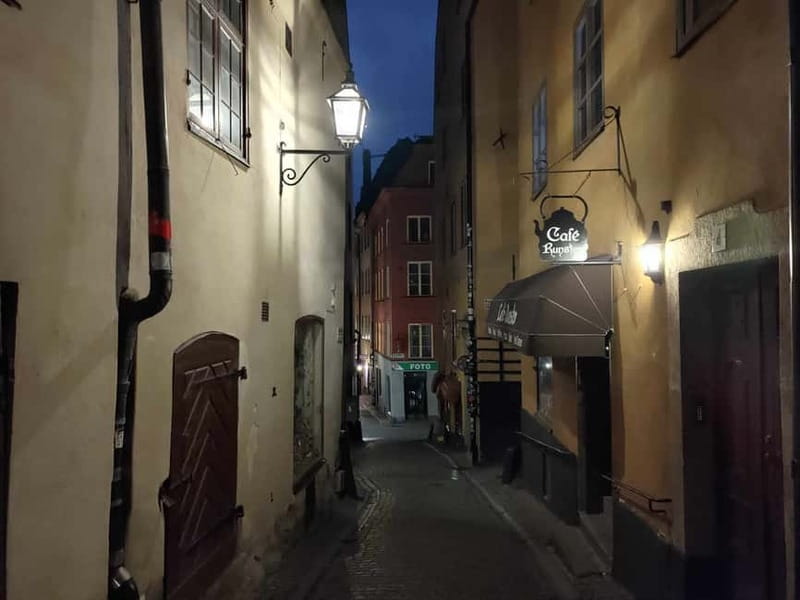
The exact route can vary with the guide and the group, but the subject matter follows a clear path. You move through the Old Town while hearing about real crimes, public executions, and supernatural creatures that once occupied the Swedish imagination.
This is not simply a ghost story walk. The guide explains the roots and functions of folklore in Swedish society, including its links to older pagan beliefs across the Nordic countries. That background gives the stories more weight. You are not just hearing that a monster lurked in the forest. You are learning what such a creature represented and why people passed the story on.
The walk also gives you a fresh way to look at Gamla Stan. On a standard sightseeing visit, the narrow lanes and old buildings can blur into a series of attractive façades. Here, they become places tied to fear, punishment, superstition, and memory.
A two-hour duration is about right for this mix. It gives the guide enough time to explain the stories rather than rush through a list of spooky names. At the same time, it is short enough to add to a busy Stockholm schedule without consuming half your day.
More ghost walks after dark in Stockholm:
- Stockholm: Ghost Walk and Historical Tour
★ 4.7 · 2,206 reviews - The Original Stockholm Ghost Walk and Historical Tour – Gamla Stan
★ 4.5 · 1,165 reviews - Bloody Stockholm 2h – ghosts, horror and Dark Folklore Tour
★ 5.0 · 14 reviews
The Stockholm Bloodbath and the darker side of power
One of the historical subjects is the Stockholm Bloodbath, a major event in Swedish history associated with mass executions in the Old Town. The experience places this violence within the setting where Stockholm’s political and public life developed.
The subject is serious, but that is part of the tour’s value. You get a reminder that Gamla Stan was not only a picturesque medieval quarter. It was also a place where power was displayed publicly and punishment could become a political tool.
The guide also covers executions and the executioner’s alley. These details help explain how public justice worked in earlier times. They can be disturbing, but they connect the tour’s supernatural material to something real and documented.
If you prefer history with political and social context, this part may be the strongest reason to book. If you want only ghost stories, you should know that the experience spends time on actual events and the wider meaning behind them.
Stockholm Castle, murders, and stories tied to place
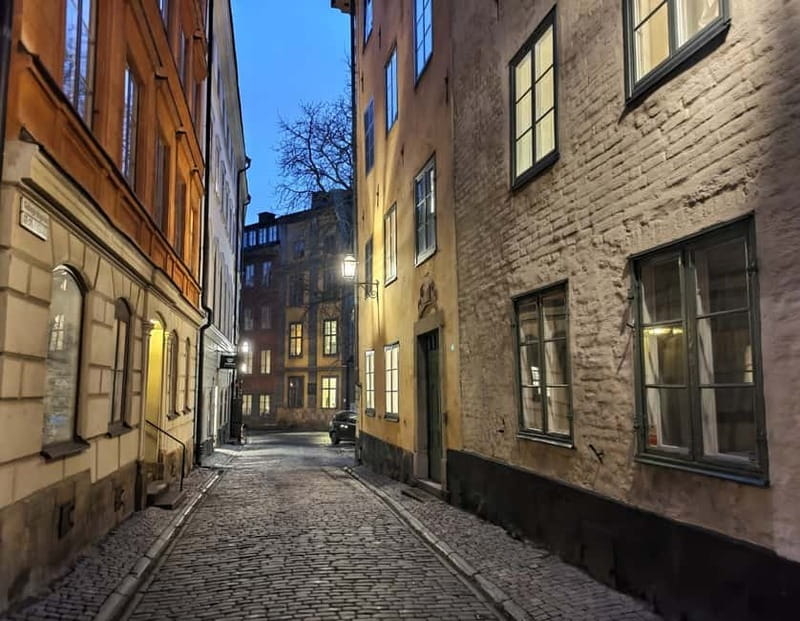
The tour includes murders at Stockholm Castle, adding another layer to the walk. Castles often attract legends, but here the emphasis includes bloody historical events rather than folklore alone.
That balance is useful. A purely supernatural tour can begin to feel like a string of invented scares. By placing ghostly beliefs beside crime and political violence, the guide can show how the Old Town’s dark reputation comes from both fact and story.
The guide’s role matters here. A local expert and self-described horror enthusiast can explain the difference between a recorded event, a folk belief, and a tale shaped by generations of retelling. The experience description promises educational explanations, not just dramatic narration.
The information does not identify every stop or provide a fixed street-by-street itinerary, so you should not book this expecting a detailed architectural tour. The main sights are part of the setting, but the focus is the stories attached to them.
Mylingar, the dead who return
The mylingar are among the more unsettling figures covered on the walk. In Swedish folklore, these are murdered infants who return to haunt the living.
This story is grim because it reflects an old fear of wrongdoing that cannot be buried. The dead child is not just a monster. The tale carries ideas about guilt, neglect, responsibility, and the consequences of actions hidden from society.
For you, this is a good example of how the tour treats folklore as a window into culture. The point is not simply to frighten you with a ghost. The guide explains why such a figure might appear in folk belief and what the story could mean within Swedish society.
The subject may be too intense for some families. The tour is clearly aimed at adults and older children who can handle dark themes, though no specific age minimum is provided.
A few more Stockholm half-days to weigh up
- Stockholm: 2-Hour RIB Speed Boat Tour of the Archipelago
★ 4.9 · 396 reviews - Stockholm Speed Boat 2 Hour Archipelago Tour
★ 5.0 · 139 reviews - Södermalm: 2-Hour Sightseeing Tour
★ 4.0 · 46 reviews - Private blood, ghosts and folklore Old Town 2h Stockholm tour
★ 4.0 · 3 reviews
Skogsrået and the danger of the forest
Skogsrået is described as a beautiful but deadly female creature living in the forest. Her story brings a different kind of fear than the tales of executions and murders.
The forest has long represented a place outside ordinary control. A figure who is attractive but dangerous turns that uncertainty into a warning about temptation, isolation, and the limits of human knowledge. In a Nordic setting, where forests are a major part of the environment, such stories have a strong sense of place.
This section should appeal to anyone interested in how folklore reflects daily life. You are not simply hearing about a strange being from a distant fantasy world. You are hearing about a traditional belief linked to the natural world and to the dangers people once associated with leaving settled communities.
Näcken, trolls, and older Nordic beliefs
Näcken is described as a naked male creature who lures people into drowning. This water spirit shifts the mood again, from the forest to the dangers of rivers and lakes. The tale gives a supernatural shape to a very real hazard.
The guide also discusses trolls, creatures said to live in the mountains and kidnap women. These stories connect Swedish folklore with wider Nordic traditions. They show how mountains, remote places, and forces beyond human control became part of the old mental map of the region.
I like this part of the experience because it expands the tour beyond Stockholm’s streets. You remain in Gamla Stan, but the stories open onto forests, water, mountains, and the older pagan beliefs of the Nordic countries.
The folklore is also more interesting when you hear it beside the historical material. You can compare stories meant to explain danger with events that show the very real cruelty of people and institutions. Both forms of storytelling reveal what earlier communities feared.
A guide-led experience rather than a scripted scare show
The guide is central to the quality of this tour. Sweden History Tours describes its guides as local experts and horror enthusiasts, and the format allows personal interaction in a small group or private setting.
Emma is one named guide associated with the experience. Her approach is described as funny and informative, with extra material added when the group is small. That combination is useful for a subject that could otherwise become heavy. Humor can keep the walk lively, while solid explanation gives the stories context.
You should feel free to ask questions. The guide is prepared to discuss Swedish culture even when a question moves slightly beyond the formal subject. That makes the experience more useful if you are curious about how folklore connects to language, customs, religion, or everyday life.
A private option is available if you want more control over the pace and discussion. A small group is likely the better value for most people, while a private booking could suit a family, couple, or group of friends who want a more personal experience.
The published price is $89 per person. That is not a low-cost sightseeing walk, so value depends on what you want. You are paying for a two-hour guided experience with a specialist theme, rather than basic orientation around the Old Town.
I think the price makes the most sense if you enjoy folklore, dark history, or guide-led cultural storytelling. It is less convincing if you only want to see the main sights, since you can walk around much of Gamla Stan independently.
The strongest value comes from the interpretation. The guide connects obscure folklore with Swedish society and ancient Nordic beliefs, then sets it beside real historical violence. If you would otherwise spend two hours on a generic ghost walk, the cultural context helps justify the cost.
The 4.8 rating from 12 submitted ratings suggests a strong early response, but the sample is small. I would treat that as encouraging rather than final proof. The praise centers on the dark focus, guide knowledge, humor, friendliness, and willingness to answer questions.
Who will enjoy Bloody Stockholm most?
I would recommend this tour to adults, older children, history fans, folklore enthusiasts, and anyone who wants a different way to see Stockholm’s Old Town. It is especially suitable for visitors who have already seen the main sights and want stories that explain the less polished side of the city.
It also suits English-speaking visitors looking for a ghost tour. The experience is available in English and Swedish, which makes it practical for international visitors from the United States and elsewhere.
You may want to skip it if you dislike graphic history, supernatural stories, or discussions of murder and execution. The tour is not presented as a light comedy walk, even though the guide may use humor to keep the mood balanced.
Families should make their own call based on the age and sensitivity of their children. The content about murdered infants, abduction, drowning, and executions is clearly not suitable for everyone.
Book with comfortable footwear and allow a few minutes to find the guide beside the Nobel Prize Museum staircase. You can cancel up to 24 hours before the start for a full refund, and the reserve-now, pay-later option gives you some flexibility when planning your Stockholm days.
Should you book this Old Town ghost walk?
Book Bloody Stockholm if you want history and folklore together, not a series of cheap scares. The best parts are the links between real events, old beliefs, and the streets of Gamla Stan, plus the chance to ask questions in a small group.
I would choose it over a standard sightseeing tour if you have a taste for grim stories and cultural background. I would not choose it as your only introduction to Stockholm if you want detailed architecture, museums, or a broad survey of the city.
At $89 per person, it asks you to pay for a focused, guide-led experience. For the right audience, the mix of the Stockholm Bloodbath, castle murders, executions, mylingar, Skogsrået, Näcken, and trolls gives you plenty to think about after the walk ends.
FAQ
Where does the tour begin?
The tour begins beside the entrance staircase of the Nobel Prize Museum on Stortorget in Stockholm’s Old Town. Meet on the right side of the staircase and look for a guide with the Sweden History Tours logo.
Where does the tour end?
The activity ends back at the meeting point beside the Nobel Prize Museum staircase.
How long does Bloody Stockholm last?
The tour lasts two hours. Starting times vary, so check availability when booking.
What languages are available?
The live tour guide speaks English or Swedish.
Is a private tour available?
Yes. You can choose a private group option.
What does the tour include?
The price includes an expert qualified guide and either the small-group or private tour format, depending on the option you select.
What historical subjects are covered?
The tour covers the Stockholm Bloodbath, executions, the executioner’s alley, and murders at Stockholm Castle, along with other bloody events from Swedish history.
Which folklore creatures are discussed?
You hear about mylingar, Skogsrået, Näcken, and trolls, along with the roots of Swedish and Nordic folklore and its links to older pagan beliefs.
What should I bring?
Bring comfortable shoes for the two-hour walking tour.
Just added around Stockholm
- World War II Stockholm Old Town Walking Tour and Army Museum★ 4.6 · 4 reviews
- Stockholm: Archipelago Guided Boat & Walking Tour of Vaxholm★ 3.1 · 23 reviews
- Vaxholm & Stockholm Archipelago: Guided Excursion, Day Trip★ 4.8 · 41 reviews
- Stockholm: Underground Metro Art Ride with a Local Guide★ 4.6 · 39 reviews
- Minivan Arrival Transfer Stockholm Airport ARN to Stockholm City★ 4.5 · 8 reviews
- Airport Transfer: Airport ARN to Stockholm by Business Car★ 4.0 · 3 reviews
- Arlanda Express Train Airport and Stockholm City Transfer★ 5.0 · 3 reviews
- Traditional Persian Cooking Class in Stockholm with a Local★ 5.0 · 20 reviews
Ghost & Mystery Walks, compared.

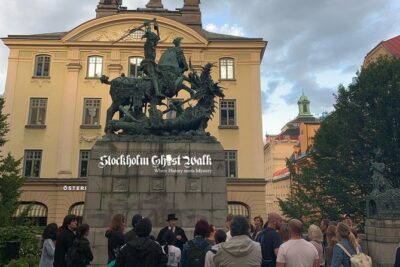
The Original Stockholm Ghost Walk and Historical Tour – Gamla Stan
Read our review →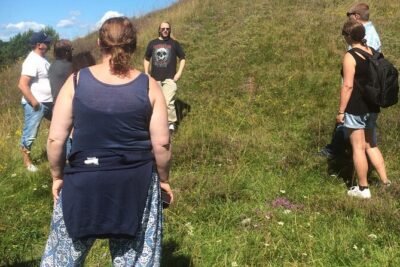
Bloody Stockholm 2h – ghosts, horror and Dark Folklore Tour
Read our review →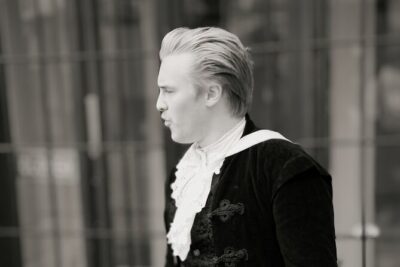
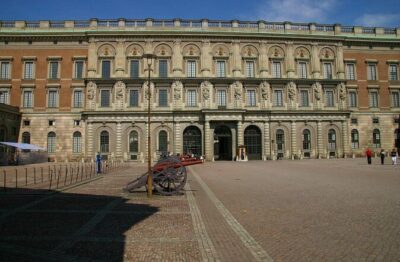
Stockholm Self-Guided Murder Mystery Tour by the Royal Palace
Read our review →
Stockholm Self-Guided Murder Mystery Tour by the Parliament
Read our review →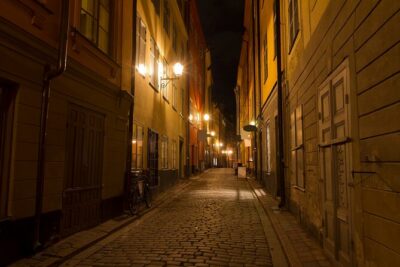
Ghosts of Stockholm: A Guided Tour of Horror and Dark Folklore
Read our review →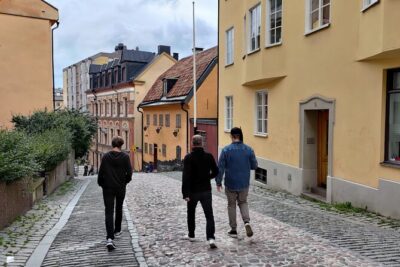
Private blood, ghosts and folklore Old Town 2h Stockholm tour
Read our review →Browse the lists this tour appears in