

Reviewed · SKANSEN & DJURGARDEN
Stockholm: Skansen Open-Air Museum Admission Ticket
Skansen turns Swedish history into a walk through real buildings, working workshops, animal enclosures, and old village streets. I like the way you can move from a 16th-century farmstead to a 20th-century shop, then watch a craft demonstration or see a moose without leaving the grounds. I also like the seasonal events, especially the old-style Christmas market and Midsummer celebrations. The main drawback is size: a rushed two-hour visit will leave a lot unseen, and the hilly paths can be tiring.
I love the mix of culture and wildlife. You can learn how Swedish families worked, cooked, worshiped, and celebrated, then visit Nordic animals such as lynx, elk, brown bears, wolverines, seals, and reindeer. Food, drinks, the funicular, and some attractions may cost extra, so your $27 admission is good value mainly when you give Skansen several hours.
Key points to know before you go
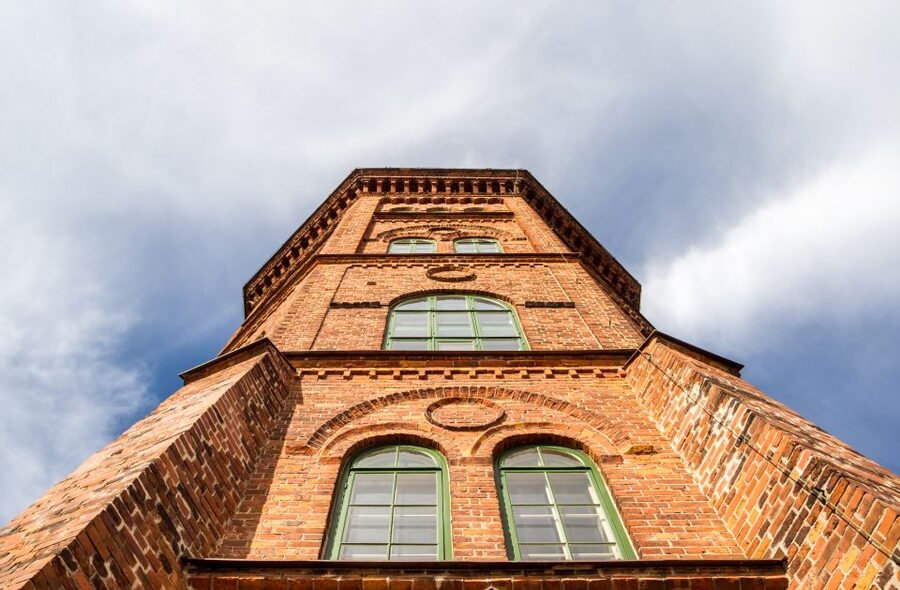
- Allow at least half a day: Skansen is large, with historic buildings, animal areas, trails, shops, viewpoints, and seasonal events.
- Expect a hilly walk: Comfortable shoes matter, and a tram or funicular ride up the first steep section may cost extra.
- See Swedish life, not just museum objects: Staff in period settings demonstrate printing, baking, glassblowing, trades, and daily work.
- The animals are a major draw: Moose, lynx, bears, wolverines, seals, reindeer, and domestic breeds are among the highlights.
- Check seasonal openings: Winter hours and Sunday schedules can limit staffed houses, demonstrations, cafés, or certain enclosures.
- Plan for extras: Food and drinks are not included, and aquarium access or the funicular may require a separate payment depending on current arrangements.
Why Skansen works better than a standard museum
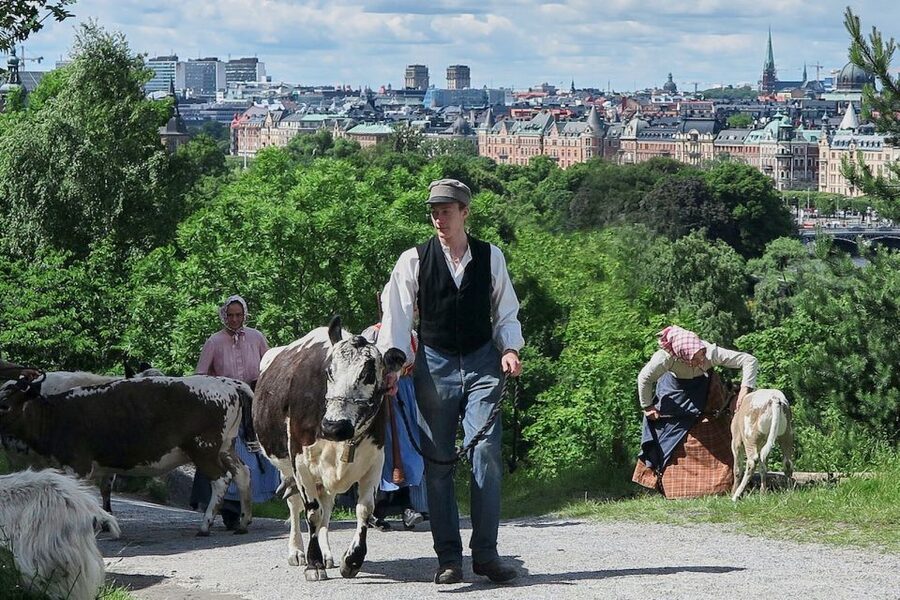
Skansen is not a museum where you simply walk past glass cases. It is a large outdoor setting where houses, farms, workshops, animals, and seasonal customs are placed together to show how people lived in Sweden from the 16th century through the first half of the 20th century.
That setting makes the past easier to understand. A farmhouse tells you more when you can see its kitchen, tools, furniture, working yard, and nearby animals. A shop feels more useful when you can watch someone demonstrate an old trade or buy a handmade item connected to that craft.
The museum also gives you a broad look at Swedish society. The buildings come from different parts of the country and represent different social conditions. You are not seeing one idealized village. You are seeing contrasts between rural work, domestic life, skilled trades, shops, celebrations, and changing city customs.
I find the combination especially useful for first-time visitors to Sweden. You get context for traditions that may otherwise seem disconnected, from seasonal festivals to food, handicrafts, clothing, and rural work.
More of Skansen and Djurgarden:
- Stockholm: Royal Djurgården Boat Tour
★ 4.1 · 639 reviews - Stockholm Royal Djurgården Boat Tour
★ 4.0 · 150 reviews - Stockholm: The Skansen Aquarium Entry Ticket
★ 4.6 · 83 reviews
Entering the historic Swedish homes and farmsteads
The heart of the visit is the collection of up to 150 historic houses and farmsteads. These buildings were brought together from around Sweden and arranged so you can walk through different types of homes, workspaces, and village settings.
Inside, you might find period furniture, tools, household objects, and displays about the people who lived and worked there. The details are what make the buildings worthwhile. You can see how rooms were used, how work shaped the day, and how ordinary life changed over several centuries.
Some buildings are staffed by people presenting old professions or domestic routines. Demonstrations can include printing, baking, glassblowing, and other crafts. One especially hands-on example is the chance to make a bookmark at the printers. These small activities help children understand the work behind objects they normally see only in shops.
The experience is strongest when you slow down. If you rush from building to building, Skansen can feel like a large park with scattered houses. If you read the signs, enter the open buildings, and watch the demonstrations, the site becomes a connected story about work, family, money, food, and changing technology.
Opening schedules matter here. In winter, some buildings and demonstrations may be closed. On Sundays, the costumed staff or role-playing characters may not be present, even though the grounds and other displays remain open. One useful practical detail is that the guides inside the houses may finish around 3 p.m., while the rest of the park can remain open longer. Plan the historic houses earlier in the day.
Nordic animals from moose to wolverines
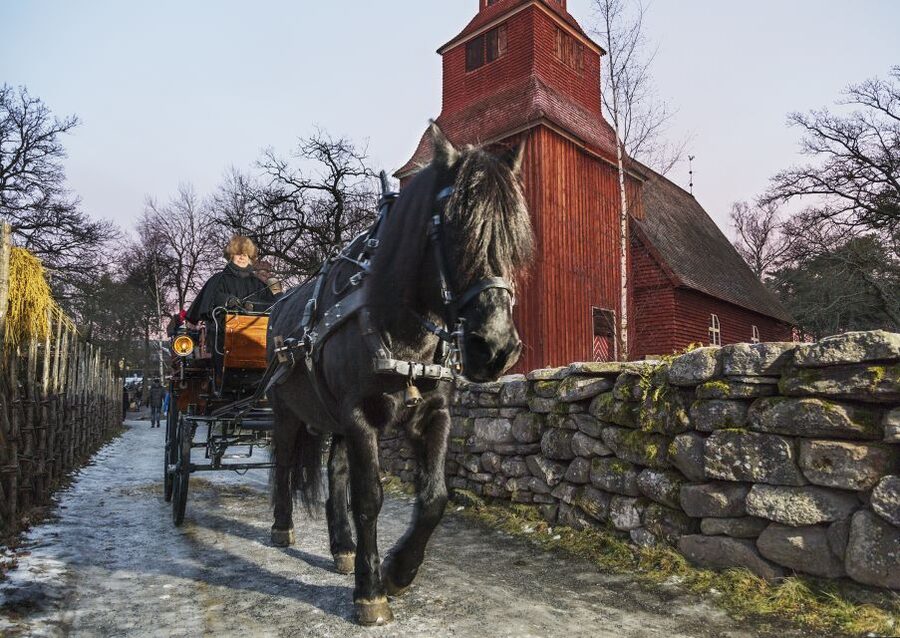
The animal areas add real appeal, especially for families and anyone who has not seen northern European wildlife up close. Skansen is home to about 75 animal species, including wild animals, rare domestic breeds, and smaller animals for children.
The larger Nordic animals are the big draw. You may see moose, lynx, brown bears, wolverines, grey seals, and reindeer, depending on enclosure access and the season. Moose are a particular highlight, and the wolverines and lynx offer a chance to see animals that are difficult to encounter in the wild.
The animal section is not separate from the museum’s main idea. Nordic wildlife, farm animals, and old working life belong together here. You can compare domestic breeds with wild species and see how animals once fitted into rural households and seasonal work.
Families should also allow time for the smaller domestic-animal area. Cats, rabbits, and guinea pigs are easier for young children to enjoy than an animal that is asleep or far back in its enclosure. Peacocks may also wander around the grounds, creating one of those unscheduled moments that make an outdoor museum fun.
Animal access can change. Reindeer or wolf areas may be closed during your visit, and some enclosures may not be available in every season. I would treat the animal section as a major part of the day, but not plan the whole visit around seeing one particular species.
The aquarium and Baltic Sea Science Center
Skansen also includes aquarium and marine-life attractions, with the Baltic Sea Science Center described as a particularly informative stop. The displays cover Baltic Sea life and add an important water-based contrast to the historic buildings and land animals.
The aquarium can be a good choice if you want a break from walking outdoors or if the weather turns cold. It also adds variety for children, who may lose interest in historic interiors but enjoy fish and close animal viewing.
Access and pricing can vary by current arrangement. Some information presents the aquarium as part of the wider visit, while several experiences describe a separate extra charge. Check the current terms before you arrive so you are not surprised at the entrance. The same applies to the walk-through monkey or lemur area, which has been praised as a memorable addition but may not be covered by the basic admission in every booking arrangement.
More museums and galleries in Stockholm:
- Stockholm Pass: Save up to 50% – Includes Vasa Museum Ticket
★ 4.1 · 2,392 reviews - Stockholm: Nobel Prize Museum and Exhibition Entry Ticket
★ 4.3 · 994 reviews - Stockholm: Fotografiska Museum Entrance Ticket
★ 4.5 · 702 reviews - Vasa Museum Guided Tour, Including Ticket & Guide
★ 5.0 · 330 reviews
Walking, hills, viewpoints, and the funicular
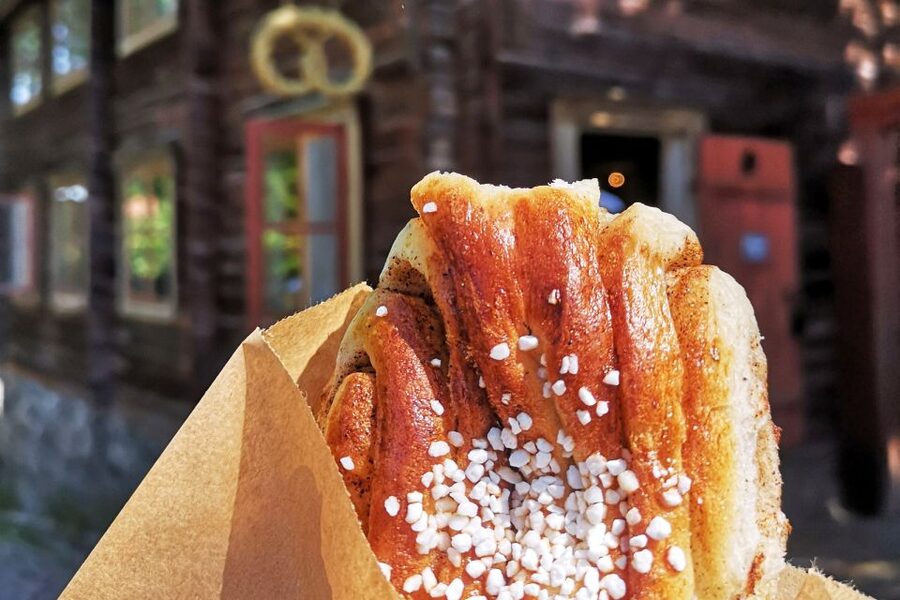
Skansen occupies a large area, and the walking is part of the experience. Paths lead through historic neighborhoods, farmsteads, wooded sections, animal areas, and viewpoints over Stockholm.
The first uphill section is steeper than some visitors expect. A funicular or tram ride can help, but it costs extra and may not be included with admission. If you use a wheelchair, the site is wheelchair accessible, though the hills and long distances still deserve careful planning.
I would wear sturdy, comfortable shoes even if you plan to focus on the buildings. You will likely walk more than expected because the grounds are spread out and the best route is not always a straight line. The size is one reason a short visit feels incomplete.
The payoff is the setting. You are not only moving between exhibits. You are walking through a park with Stockholm views, old buildings, trees, animal enclosures, and open paths. In winter, snow can make the museum especially atmospheric, but cold weather also makes a warm café stop and sensible clothing important.
Food, shops, and a full-day rhythm
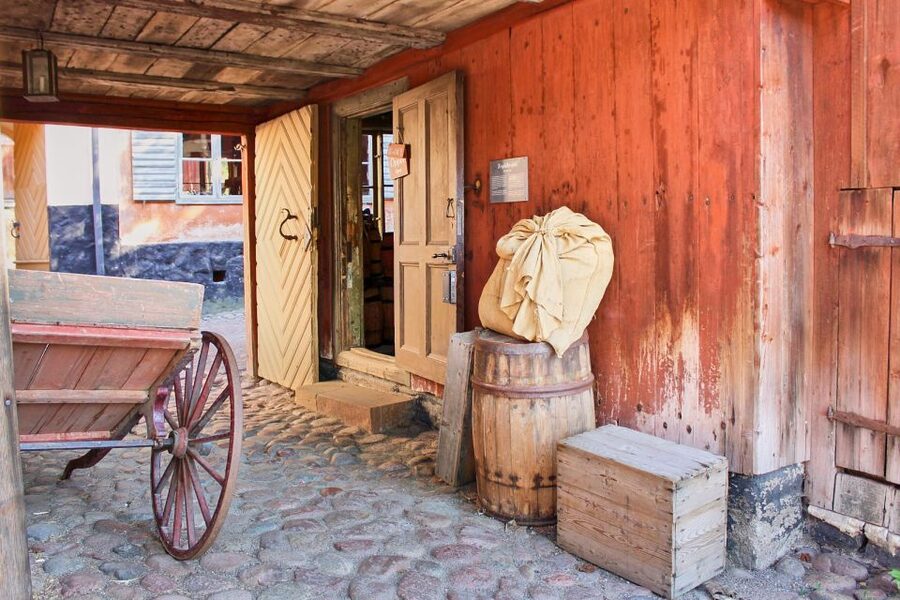
Food and drinks are not included in the $27 ticket. Several restaurants and cafés offer places to eat, including options with views over Stockholm. A proper lunch can turn Skansen into a comfortable full-day outing rather than a long stretch of walking.
Do not count on every café being open early. One practical pattern is that some food and drink stands may not begin opening until around 11 a.m. If you arrive at opening time, bring a plan for breakfast or expect to wait for the first café services.
The museum shop is worth a look even if you are not shopping for souvenirs. It focuses on traditional handicrafts and Swedish-designed goods, which makes it more useful than a shop filled only with generic items. Historic trades also come alive through things you can buy, including baked goods, tools, glassware, sweets, and handmade items.
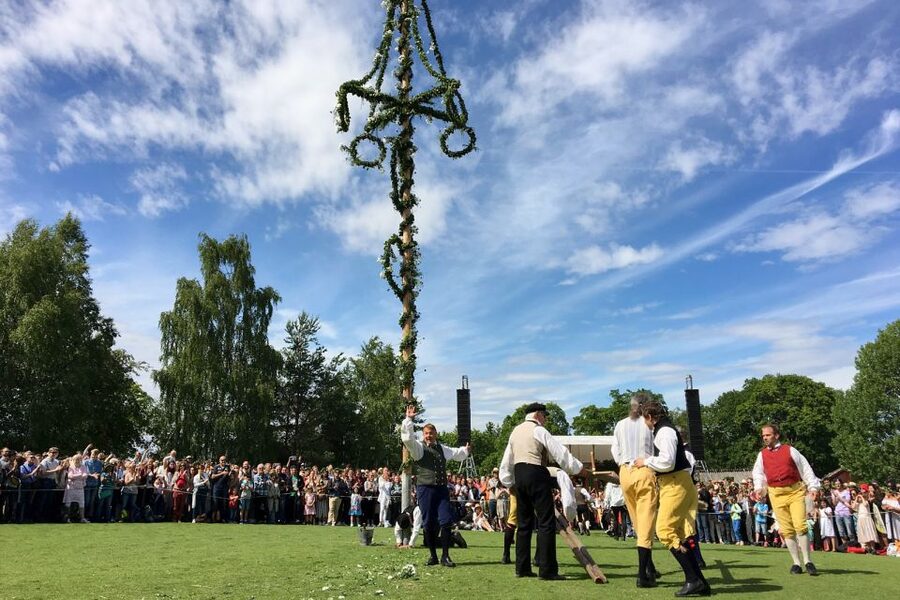
Seasonal food and shopping can change the character of the visit. A Christmas market dating from 1903 is scheduled on selected Fridays through Sundays from November 26 to December 19 in the stated season. It features handicrafts, homemade candles, sweets, and Christmas presents. Midsummer celebrations are another strong time to visit, with traditional festivities adding more life to the grounds.
How long should you stay?
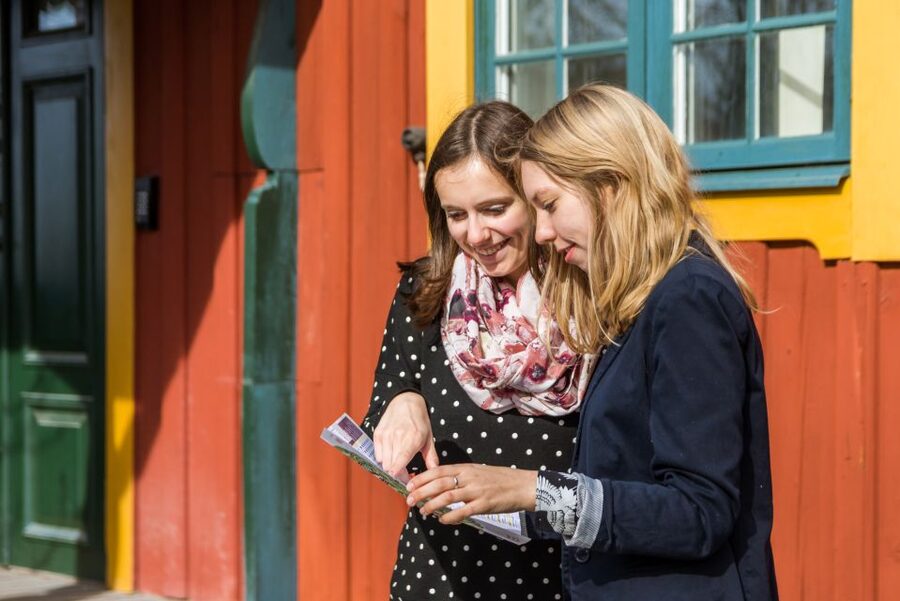
You can walk through Skansen in a couple of hours, but I would not recommend booking it as a quick stop unless your schedule leaves no alternative. The grounds are large enough that two hours may cover only a few buildings and animal areas.
For a useful first visit, allow at least four to five hours. That gives you time for historic homes, demonstrations, animal enclosures, food, and the aquarium if you choose to add it.
A full day makes sense if you want to see most of the museum, stop for lunch, take your time with the signs, visit the shop, and include seasonal activities. Several areas are easy to overlook because the grounds are not a compact indoor museum.
Your ideal route depends on your interests. Families may want to prioritize domestic animals, the larger Nordic animals, the aquarium, and hands-on demonstrations. History-focused visitors should start with the historic houses while the staffed interiors are open. In winter, I would put the indoor buildings and demonstrations near the top of the list, then use the afternoon for outdoor areas and views.
Price, timing, and practical planning
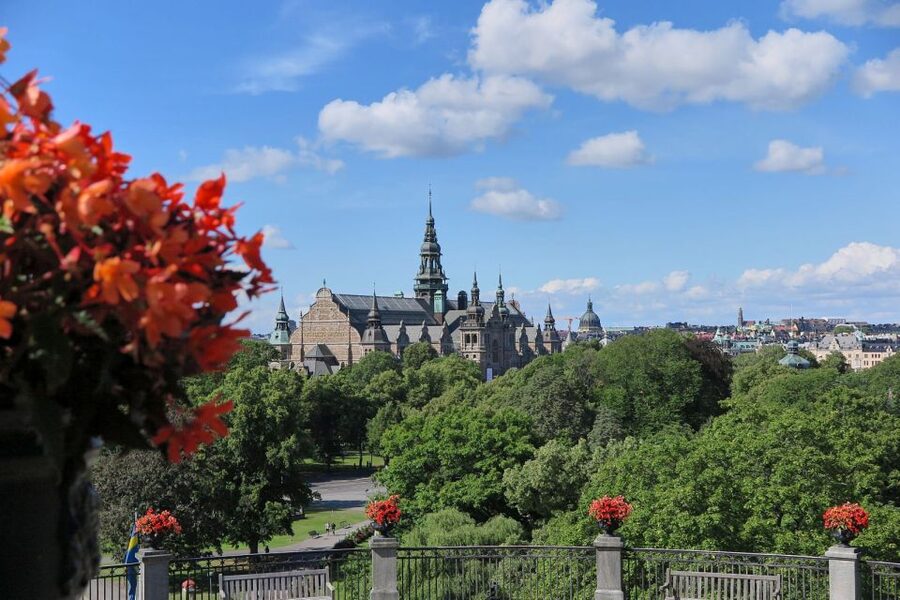
At $27 per person, admission is reasonable if you use the ticket for half a day or more. It is less attractive for a brief visit, especially if you also pay for food, the funicular, the aquarium, or other add-ons.
The ticket is valid for one day from first activation. The selected timeslot is only a reference, so you can arrive at any point during the published opening hours. That flexibility helps if you are combining Skansen with another Djurgården attraction or adjusting your day around weather.
The meeting point is Djurgårdsslätten 49-51, 115 21 Stockholm. It is also possible to walk from central Stockholm along the water, a route that can take about 25 minutes according to the practical experience provided. If you arrive by another method, allow extra time to find the correct entrance, since the entrance arrangement has changed at times.
Free cancellation is available up to 24 hours before the visit, and reserve-now, pay-later booking can help if your Stockholm plans are still shifting. Those terms are useful, but the bigger decision is time. The ticket gives you access to a substantial site, not a short, tightly timed attraction.
Who will enjoy Skansen most?

I would recommend Skansen most strongly to families, first-time visitors, history fans, and anyone who likes to combine museums with outdoor walking. Children have animals, open space, demonstrations, and seasonal events to break up the historic material.
Adults without children can enjoy it too, especially if you like architecture, crafts, Swedish customs, photography, or old working environments. The museum has enough variety to avoid feeling like a long sequence of preserved rooms.
You should think twice if you dislike hills, long walks, changing weather, or attractions where some sections may close seasonally. You may also find the experience less satisfying if you have only one hour in Stockholm.
The strongest version of Skansen is not a quick checklist visit. It is a slow day of walking, looking, learning, eating, and stopping when a craft demonstration or animal catches your attention.
Should you book Skansen?
Book it if you can spare at least half a day and want more than a conventional museum. Skansen gives you historic buildings, Swedish customs, working trades, Nordic wildlife, views, food, and seasonal events in one large visit.
I would book with three plans in mind: wear good shoes, check which attractions and animals are open, and budget for food plus any aquarium or funicular supplement. If you do that, the $27 admission can deliver one of Stockholm’s broadest and most memorable cultural outings.
FAQ
How much does admission to Skansen cost?
The stated price is $27 per person. Food, drinks, and some possible extras such as the funicular or aquarium may not be included.
How long is the Skansen ticket valid?
The ticket is valid for one day from first activation.
Can I arrive at a different time from the selected timeslot?
Yes. The selected timeslot is only a reference, and you can arrive at any time during opening hours.
Is Skansen wheelchair accessible?
Yes, Skansen is wheelchair accessible. The grounds are large and hilly, so allow extra time for moving between areas.
Are food and drinks included?
No. Food and drinks are not included. Restaurants and cafés are available, and some offer views over Stockholm.
What animals can I see at Skansen?
The animal collection includes Nordic wild animals, domestic animals, rare breeds, and about 75 different species. Possible highlights include lynx, elk, brown bears, wolverines, seals, reindeer, cats, rabbits, and guinea pigs.
Can I cancel the booking?
Yes. You can cancel up to 24 hours in advance for a full refund.
Just added around Stockholm
- World War II Stockholm Old Town Walking Tour and Army Museum★ 4.6 · 4 reviews
- Stockholm: Archipelago Guided Boat & Walking Tour of Vaxholm★ 3.1 · 23 reviews
- Vaxholm & Stockholm Archipelago: Guided Excursion, Day Trip★ 4.8 · 41 reviews
- Stockholm: Underground Metro Art Ride with a Local Guide★ 4.6 · 39 reviews
- Arlanda Express Train Airport and Stockholm City Transfer★ 5.0 · 3 reviews
- Minivan Arrival Transfer Stockholm Airport ARN to Stockholm City★ 4.5 · 8 reviews
- Airport Transfer: Airport ARN to Stockholm by Business Car★ 4.0 · 3 reviews
- Traditional Persian Cooking Class in Stockholm with a Local★ 5.0 · 20 reviews
Skansen & Djurgarden, compared.


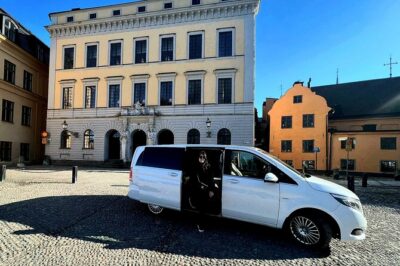
Exclusive Grand Stockholm Tour Vasa & Skansen*****
Read our review →Browse the lists this tour appears in