
Reviewed · OLD TOWN WALKING TOURS
Jewish Gamla Stan and Jewish Museum Stockholm Private Tour
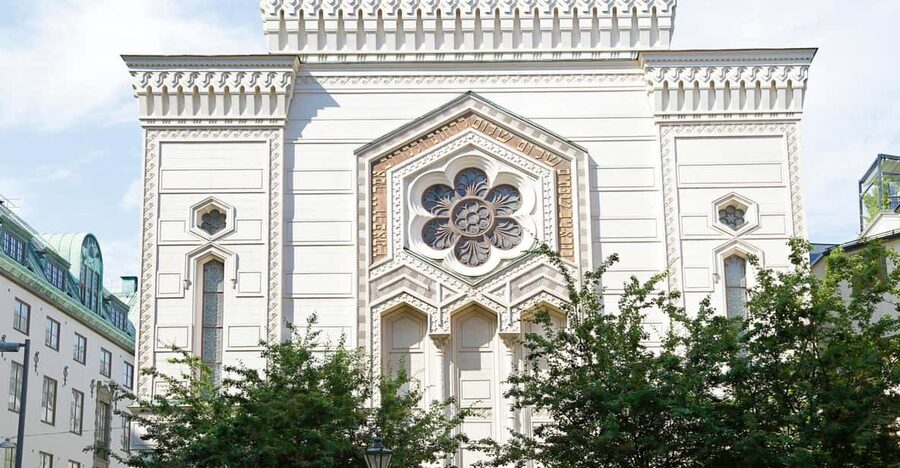
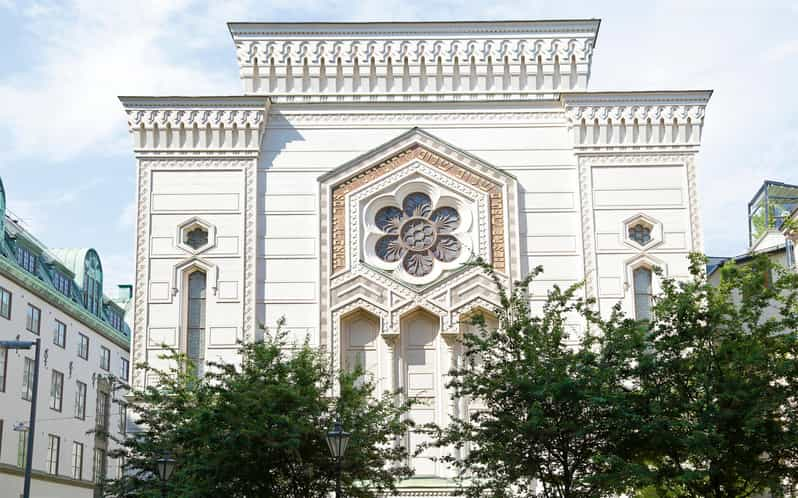
Raoul Wallenberg’s story gives this private Gamla Stan tour a powerful focus. You’ll follow Jewish history from the first Jewish families in 17th-century Sweden to the Holocaust and present day, while seeing the Great Synagogue, the Royal Palace, and the memorial to the Swedish diplomat who helped save tens of thousands of Jewish people. I especially like the personal format and the link between ordinary city streets and major events. I also like that the longer tour enters the Jewish Museum, housed in Stockholm’s oldest surviving synagogue.
The main drawback is that the two-hour option is mostly outdoors and does not include museum admission. The museum is closed on Mondays, so confirm the day before booking if seeing the interior is important to you. Also allow for a steady amount of walking on Gamla Stan’s old streets.
Key points to know before you book

- Raoul Wallenberg is central to the story: Hear how the Swedish diplomat worked to protect Jewish people during World War II.
- The Jewish Museum occupies a former synagogue: The three-hour option adds exhibits inside Stockholm’s oldest surviving synagogue.
- The tour begins at Järntorgsbrunnen: Meet your guide at Västerlånggatan 83 in Gamla Stan.
- Private guiding means flexible pacing: Guides such as Cedric have adjusted the walk for slower walkers and extended the visit when needed.
- The 4-hour option adds private transfers: Pickup and drop-off at your accommodation are included only with that option.
- The cost reflects private attention: At $205 per person, the tour makes more sense for small groups that value a dedicated guide and a history-led walk.
Why Jewish Stockholm is easiest to understand on foot
Stockholm’s Jewish story is not confined to one museum or one memorial. It appears in old religious buildings, public squares, streets near the Royal Palace, and places tied to national events. A walking tour helps you connect those points instead of treating them as separate stops.
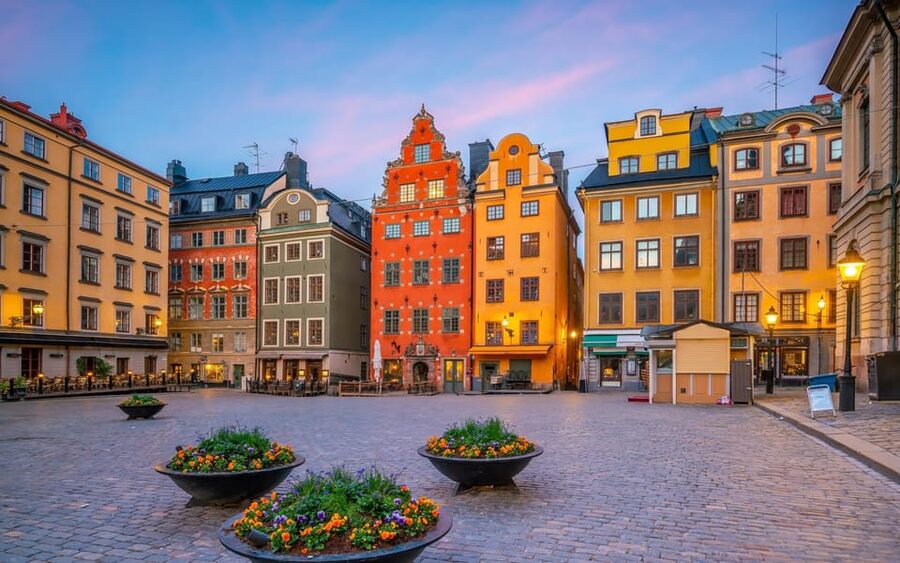
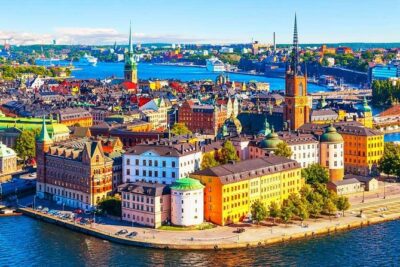
You begin in Gamla Stan, Stockholm’s compact Old Town. The guide uses the surrounding buildings to explain how Jewish families first arrived in Sweden during the 17th century, how some faced pressure to convert, and how the Jewish community slowly gained a place in the capital. The details matter because they show that Jewish life in Sweden was shaped by both opportunity and restriction.
I like this approach more than a simple museum visit. You are not only looking at objects in cases. You are hearing how a community formed within the city itself, then walking through the places where that story unfolded.
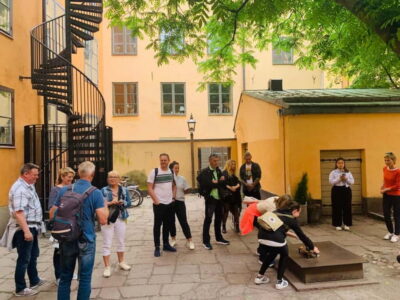
The tour is private, with one guide for your group rather than a large public crowd. Group sizes can range from one to 25 people per guide, and more than one guide is required for a larger party. That arrangement gives you room to ask questions and request a slower pace, though the price rises if your group needs additional guides.
More old town walks in Stockholm:
- Walking Tour of Stockholm Old Town
★ 5.0 · 1,175 reviews - The Original Stockholm Ghost Walk and Historical Tour – Gamla Stan
★ 4.5 · 1,165 reviews - Stockholm: Old Town Walking Tour with Local Guide
★ 4.7 · 719 reviews
Starting at Järntorgsbrunnen in Gamla Stan
The meeting point is Järntorgsbrunnen, the fountain at Västerlånggatan 83. This is a practical starting point because it places you directly in Gamla Stan, where several of the tour’s early sites are close together.
Your guide will point out Jewish traces that can be easy to miss when you are focused on the Old Town’s colorful buildings and narrow lanes. The purpose is not to claim that every building has a Jewish connection. Instead, the walk sets Jewish history beside the more familiar story of royal Stockholm, Lutheran churches, and the growth of the capital.
This is also where a private guide earns the fee. You can ask how Jewish residents were treated in different periods, how religious freedom changed, or why early families were baptized after arriving. The answer will have more value when it is tied to the actual street beneath your feet.
The old streets are part of the appeal, but they are not always easy walking. Wear comfortable shoes and expect a walking pace rather than a stop-and-go sightseeing bus. If you have limited mobility, tell the guide early. Cedric adjusted routes for a participant whose wife had trouble walking and extended the tour so the group could still see the planned sights.
Churches, conversion, and the first Jewish families
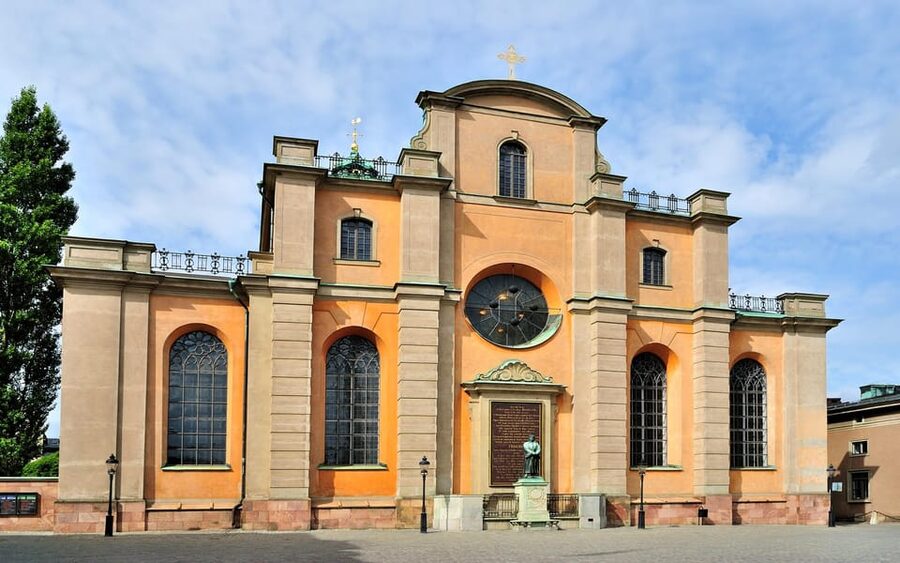
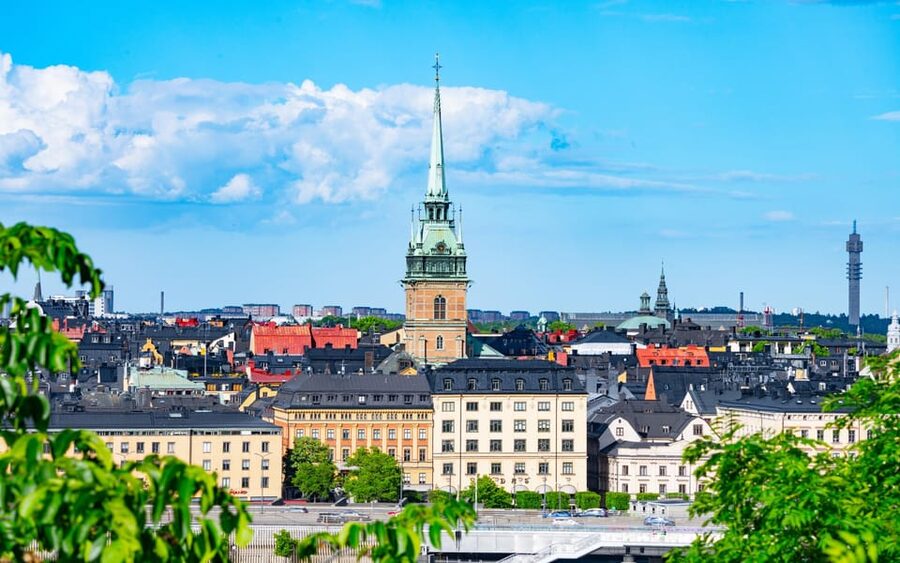
The route includes the German Church and Storkyrkan, Stockholm’s cathedral. These are not Jewish buildings, but they help explain the setting faced by the first Jewish families in Sweden.
At Storkyrkan, you’ll hear about the first Jewish families who were baptized after arriving in Sweden during the 17th century. This stop adds an important layer to the story. Conversion was not simply a private religious choice in that setting. It reflected the limits placed on Jewish settlement and worship at the time.
The German Church adds another piece of Gamla Stan’s religious history. Your guide uses these churches to explain how the Jewish community existed beside the dominant Christian institutions, and why creating a synagogue in Stockholm required effort and persistence.
You should not expect the church stops to be Jewish heritage sites in the usual sense. Their value is context. They show the social and religious framework around the small Jewish population, and they prevent the tour from presenting Jewish history as a story detached from the rest of Stockholm.
The Nobel Prize Museum and Jewish laureates

Outside the Nobel Prize Museum, the guide discusses Jewish Nobel laureates. This is a brief but useful connection between Stockholm’s modern cultural identity and Jewish achievement in science, literature, and other fields.
The stop works best if you enjoy links between local places and wider history. You may not enter the Nobel Prize Museum as part of this tour, but the exterior provides a clear setting for the conversation. Ask questions here if you want to explore how Jewish identity, persecution, achievement, and international recognition intersected in the 20th century.
This section also keeps the tour from focusing only on suffering. The Holocaust is an essential subject, but Jewish history in Stockholm also includes intellectual life, religious practice, family stories, and contributions to public life. A good guide should help you hold those parts together without turning the walk into a list of tragedies.
More museums and galleries in Stockholm:
- Stockholm: Skansen Open-Air Museum Admission Ticket
★ 4.5 · 3,427 reviews - Stockholm Pass: Save up to 50% – Includes Vasa Museum Ticket
★ 4.1 · 2,392 reviews - Stockholm: Nobel Prize Museum and Exhibition Entry Ticket
★ 4.3 · 994 reviews - Stockholm: Fotografiska Museum Entrance Ticket
★ 4.5 · 702 reviews
The Royal Palace and Raoul Wallenberg’s Stockholm
The walk continues past the Royal Palace toward Berzelii Park. Along the way, the guide explains how Sweden’s national story connects with the fate of Jewish people during World War II.
The most emotionally important stop is the Holocaust monument dedicated to Raoul Wallenberg. Wallenberg was a Swedish diplomat who worked in Budapest during the war and helped save tens of thousands of Jewish people. His efforts included issuing protective documents and arranging places of safety, though the tour’s exact level of detail depends on the guide and the questions you ask.
For me, this part gives the tour its strongest human focus. The story moves from institutions and dates to a person making urgent choices under terrible conditions. It also shows why Raoul Wallenberg remains such an important figure in Sweden and beyond.
Berzelii Park provides space for the guide to explain the memorial and its meaning without the pressure of a crowded indoor schedule. The Rememberene Path and Holocaust memorial create a clear stopping point for reflection. This is serious material, so the experience may not suit someone looking for a light sightseeing stroll. The subject is presented as a central part of Stockholm’s history, not as a quick aside.
Entering Stockholm’s oldest surviving synagogue
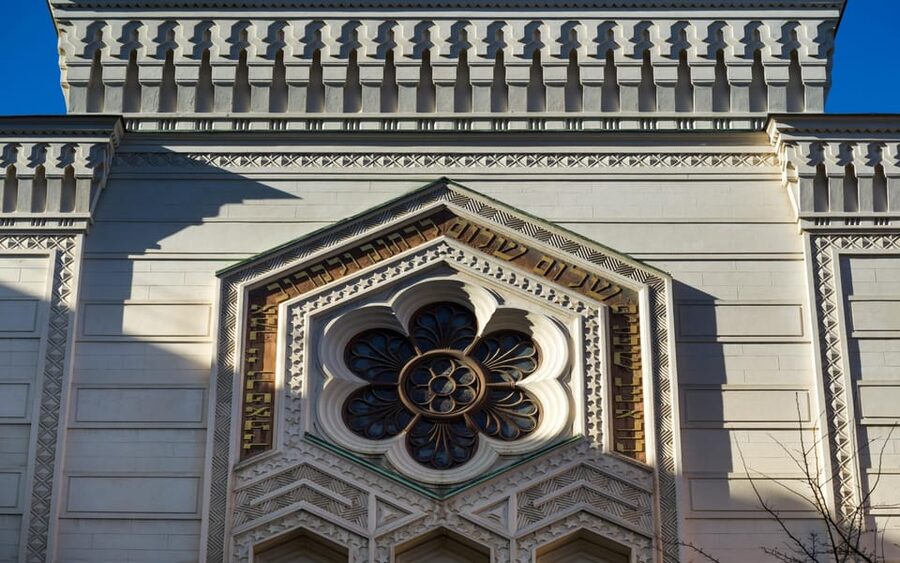
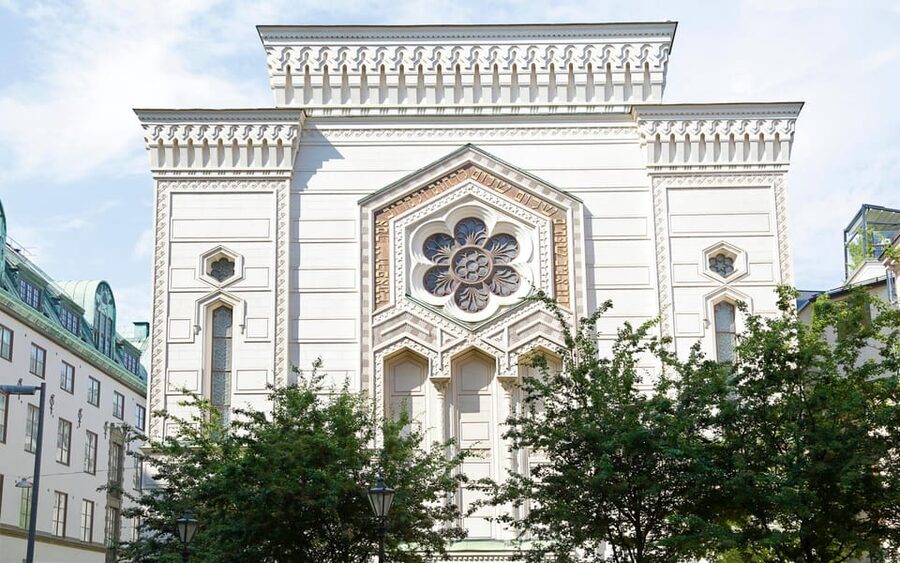
The three-hour option adds the Jewish Museum. It is housed in Stockholm’s oldest surviving synagogue, making the building itself part of the exhibit.
This is more than an extra indoor stop. The former synagogue helps you understand the practical work required to establish Jewish religious life in Stockholm. Inside, the guide explains the first Jewish residents, the effort involved in building the city’s first Jewish temple, and the customs and traditions that shaped community life.
The museum gives the tour more depth because you can move from outdoor traces to preserved objects and exhibits. You’ll have time to ask about Jewish culture, worship, daily life, and the changing place of the community in Swedish society. The guide provides commentary and answers questions, so this option is especially useful if you want interpretation rather than a quick visit on your own.
The museum is not included in the two-hour version. It is included in the three-hour option, and the longer option is the better choice if the museum is a priority. Do not assume it will be available every day. It is closed on Mondays, and one participant had the museum portion unavailable because of that schedule. Check before you commit to a Monday visit.
Admission to the synagogue itself is not included. The tour includes the Jewish Museum on the three-hour option, but the information provided separately excludes admission to the synagogue. Ask the operator to clarify exactly what is open and included on your chosen date.
What the private guide adds
The guide is the main reason to choose this experience instead of visiting the museum alone. The tour is offered in English, Swedish, French, German, Italian, Russian, and Spanish, depending on the language selected when booking.
Cedric guided several of the strongest personal experiences associated with this tour. He continued at an unhurried pace in rainy weather, answered questions, and gave extra time when walking was difficult. He was also described as attentive and entertaining, though a longer explanation can be a drawback if you prefer a fast, tightly scripted walk.
Tal is another named guide connected with the experience. His tour focused on walking around the city while explaining its history. That suggests the style can vary by guide, but the basic strength remains the same: a private conversation rather than a fixed lecture.
You should come prepared with questions. Ask about the first Jewish families, Sweden’s wartime position, Raoul Wallenberg, the role of synagogues, or the Jewish Nobel laureates mentioned near the museum. A private tour becomes much better when you shape part of the discussion around your own interests.
Two hours, three hours, or four hours?

The two-hour walk is the most economical format, but it does not include Jewish Museum admission or transfers. It covers the main outdoor sites in Gamla Stan, the churches, Nobel Prize Museum area, Royal Palace, Berzelii Park, and Wallenberg memorial. Choose it if you want a focused introduction and have limited time.
The three-hour option is the best fit for most people who are specifically booking for Jewish history. It adds the Jewish Museum and gives the guide more time to explain the community’s formation, worship, customs, and place in Swedish society. The extra hour matters because the outdoor walk already covers several locations.
The four-hour option includes private car pickup and drop-off at your accommodation. This may suit you if you are staying outside central Stockholm, have luggage, or want to avoid arranging transport before and after the tour. The supplied details describe the overall duration as two to three hours, but also offer a four-hour transfer option, so confirm the exact timing when you book.
At $205 per person, this is not a budget walking tour. The value depends heavily on group size. For one or two people who want a dedicated expert guide, flexible questions, and the museum added, the cost can be reasonable. For a larger family or group, compare the total price carefully, especially since more than one guide may be needed above 25 people per guide.
Who should book this Jewish history walk?
I would recommend it to you if you want Jewish history placed inside Stockholm’s broader story. It suits people who prefer serious historical context to a general Old Town overview, and it works well for families or small groups that want to ask questions privately.
The tour is also a good choice if Raoul Wallenberg is a particular interest. His memorial and wartime work give the route an emotional center, while the Jewish Museum adds a closer look at community life beyond the Holocaust.
You may want another activity if you dislike walking, prefer a fast schedule, or only want to see the main Stockholm sights. The tour is not designed as a broad introduction to every major attraction in the city. Its purpose is narrower and more meaningful: tracing Jewish presence, religious life, persecution, survival, and remembrance.
The wheelchair-accessible designation is helpful, but Gamla Stan’s old streets can still require route planning. Contact the operator in advance with mobility needs and ask how the route will be handled on your date.
Should you book the Jewish Gamla Stan and Jewish Museum tour?
Book the three-hour version if you want the strongest balance of walking, memorials, and museum time. It gives Jewish history a proper setting, rather than limiting the subject to outdoor commentary.
Choose the two-hour walk if your schedule is tight and you mainly want the Old Town sites, Wallenberg memorial, and historical explanation. Pick the four-hour option if private transport is worth paying for.
The tour earns its price through personal attention, multilingual guiding, and the chance to slow down for questions. Confirm museum opening days, clarify synagogue admission, and wear good shoes. If you do those three things, this is a thoughtful way to see a less familiar side of Stockholm.
FAQ
Where does the tour meet?
Meet your guide in front of Järntorgsbrunnen at Västerlånggatan 83, 111 29 Stockholm, Sweden.
Is the Jewish Museum included?
Museum admission is included with the three-hour and four-hour options. It is not included with the two-hour option.
Is the synagogue admission included?
No. Admission to the synagogue is not included.
Is private transportation included?
Round-trip private car transportation with pickup and drop-off at your accommodation is included only with the four-hour option.
What languages are available?
The tour can be offered in English, Swedish, French, German, Italian, Russian, or Spanish, depending on the language selected when booking.
Can I cancel the booking?
You can cancel up to 24 hours in advance for a full refund. The reserve-now, pay-later option lets you hold your place without paying at the time of booking.
Just added around Stockholm
- World War II Stockholm Old Town Walking Tour and Army Museum★ 4.6 · 4 reviews
- Stockholm: Archipelago Guided Boat & Walking Tour of Vaxholm★ 3.1 · 23 reviews
- Vaxholm & Stockholm Archipelago: Guided Excursion, Day Trip★ 4.8 · 41 reviews
- Stockholm: Underground Metro Art Ride with a Local Guide★ 4.6 · 39 reviews
- Minivan Arrival Transfer Stockholm Airport ARN to Stockholm City★ 4.5 · 8 reviews
- Airport Transfer: Airport ARN to Stockholm by Business Car★ 4.0 · 3 reviews
- Arlanda Express Train Airport and Stockholm City Transfer★ 5.0 · 3 reviews
- Traditional Persian Cooking Class in Stockholm with a Local★ 5.0 · 20 reviews
Old Town Walking Tours, compared.
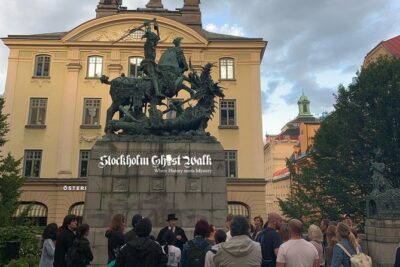
The Original Stockholm Ghost Walk and Historical Tour – Gamla Stan
Read our review →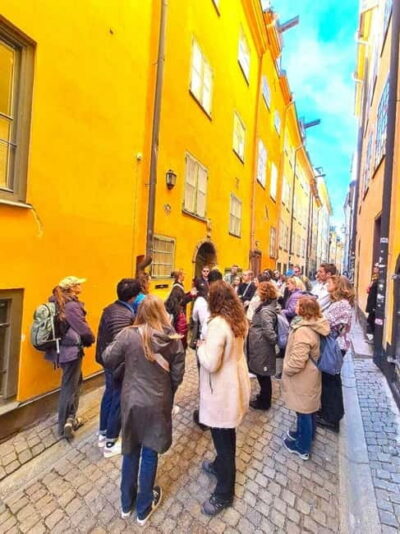
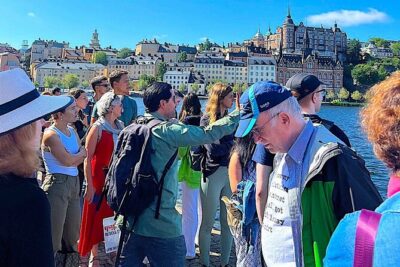
Walking Tour of Stockholm’s Old Town, Gamla Stan
Read our review →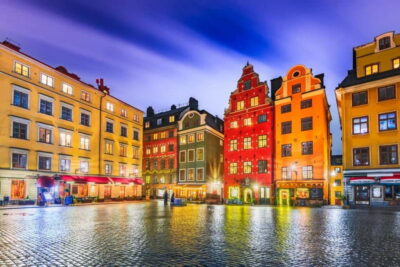
Old Town Guided Walking Tour (English / Deutsch)
Read our review →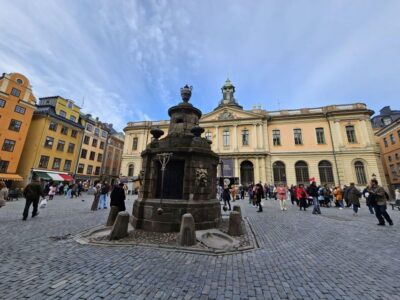
Secrets of Gamla Stan Guided Tour w/ Fika Option
Read our review →Browse the lists this tour appears in